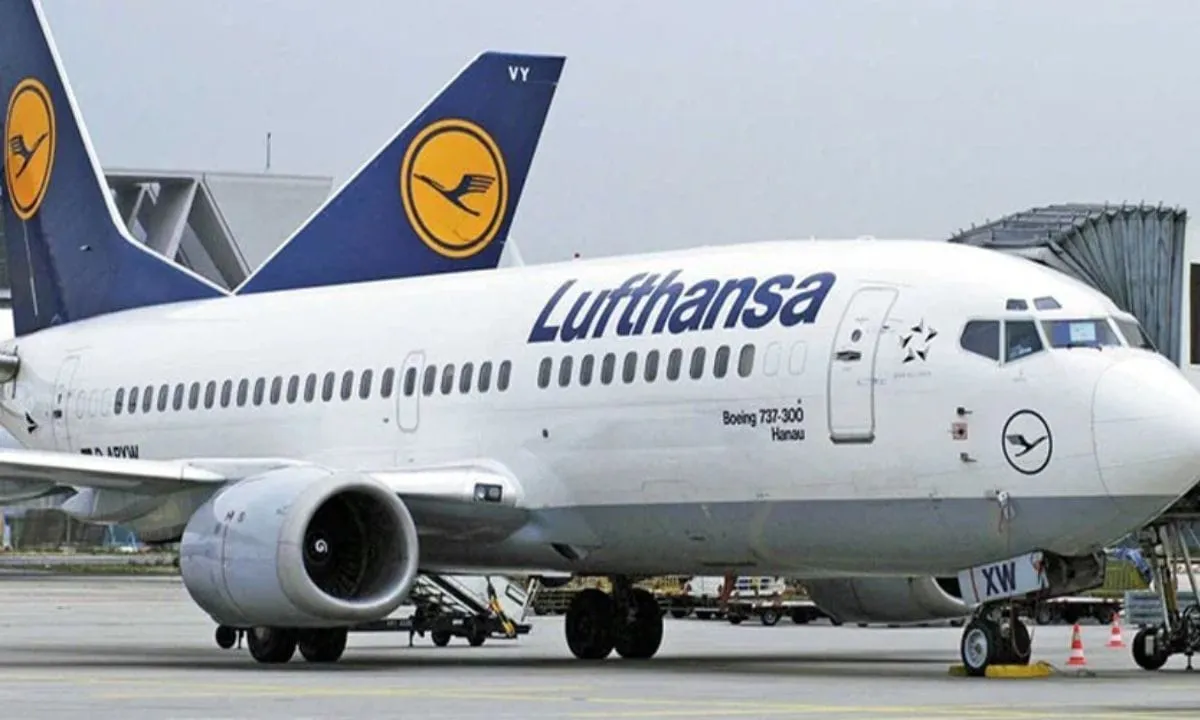
German Airline USC Secures Civil Aviation Authority Approval
The Civil Aviation Authority has granted German airline USC permission to start direct flight operations to Pakistan. The authority accepted the nomination of German company USC GmbH, completing a key regulatory step for air operations between Germany and Pakistan.
This regulatory clearance marks a significant milestone for international carriers seeking to establish routes into the South Asian market. Aviation regulators evaluate multiple safety, financial, and operational standards before accepting the nomination of a foreign commercial carrier. By clearing this hurdle, USC GmbH has laid the groundwork for future flight schedules and commercial route planning.
Regulatory frameworks for foreign airlines require strict adherence to international aviation safety protocols governed by global bodies. The acceptance by the Civil Aviation Authority demonstrates that the carrier met the necessary compliance benchmarks. Officials from both sides continue to monitor technical specifications to ensure that upcoming passenger services meet required safety mandates.
What the New USC Flight Routes Mean for Travelers
The airline plans to launch flights to two major cities in Pakistan. The cities and a launch date were not specified. The arrival of the new carrier is expected to increase competition in the aviation market and improve travel connectivity between the two countries.
Direct flight options historically reduce travel times and offer passengers more flexibility when booking international journeys. Greater competition among airlines often leads to more competitive pricing for consumers traveling for business, tourism, or family visits. Passengers awaiting the official announcement of the destination cities and launch dates will soon have alternative choices for transatlantic and European travel corridors.
Travel connectivity between Germany and Pakistan has experienced various shifts over recent decades due to changing market demands and carrier restructuring. The introduction of a new airline helps bridge geographical gaps and supports diaspora communities living in both nations. Improved air links facilitate smoother trade delegations, cultural exchanges, and tourism development.
Economic Impact on Tourism, Leasing, and Local Recruitment
Its operations could also create investment opportunities in tourism, aircraft leasing, ground handling, and local recruitment. According to airline management, the remaining operational approvals will be obtained before regular flights can begin.
Entering a new aviation market requires substantial logistical infrastructure, ranging from ticketing counters to maintenance support. Local service providers specializing in ground handling stands to secure lucrative contracts with the incoming foreign carrier. Furthermore, recruitment drives for cabin crew, administrative personnel, and customer service desks will generate jobs within the local economy.
Aircraft leasing and tourism sectors also benefit from expanded flight frequencies. Foreign carriers often partner with domestic hospitality providers to promote travel packages, boosting hotel occupancy rates and local spending. Airline management teams must finalize these ground arrangements and secure remaining operational permits before the inaugural flight touches down.
Pakistan International Airlines Restores United Kingdom Routes
Meanwhile, Pakistan International Airlines has restored its flight operations between Pakistan and the United Kingdom after cancellations caused by its wet-lease partner. The airline confirmed on November 26 that UK services had returned to normal following disruptions a day earlier.
Wet-leasing involves renting an aircraft along with crew, maintenance, and insurance from another airline to cover route demands. When the wet-lease partner suddenly suspended its services, travelers faced immediate schedule changes and cancellations at key European hubs. The sudden disruption tested the crisis response protocols of the national flag carrier as passengers awaited alternative travel arrangements.
Aviation experts note that relying on external partners for long-haul routes carries inherent operational risks. Sudden policy changes or mechanical issues with leased aircraft can ripple through an airline schedule. The swift restoration of normal operations highlights the importance of maintaining robust internal fleet capabilities during international crises.
How Pakistan International Airlines Handled Passenger Disruption
PIA said its teams assisted affected passengers in London and Manchester. Travellers whose flights were cancelled were accommodated on later services according to their individual preferences. Passengers who chose to change or postpone their travel plans were offered full refunds without any penalties.
Customer service desks at major British airports worked extended hours to process rebookings and issue compensation details. Ground staff provided necessary logistical support to stranded travelers while management coordinated alternative routing. Offering penalty-free refunds helped mitigate public frustration during an unexpected travel bottleneck.
Airlines facing similar disruptions must adhere to strict passenger rights regulations depending on the jurisdiction of departure and arrival. By accommodating travelers on subsequent departures and waiving administrative fees, the carrier maintained compliance with international consumer protection standards. Transparent communication channels remained vital throughout the resolution process.
Contingency Plans and Fleet Management Strategies
To avoid further disruptions, PIA activated a contingency plan and moved its UK operations to its own widebody Boeing 777 fleet after the wet-lease partner suddenly suspended its services.
The airline also confirmed that all scheduled UK flights, along with operations across its domestic and international network, are currently running on schedule.
Widebody aircraft such as the Boeing 777 provide the necessary passenger capacity and range for long-haul routes connecting South Asia to European destinations. Using an in-house fleet reduces dependence on third-party lessors and gives airline schedulers direct control over maintenance and turnaround times. Fleet self-sufficiency serves as a primary defense against external supply chain shocks in the commercial aviation sector.