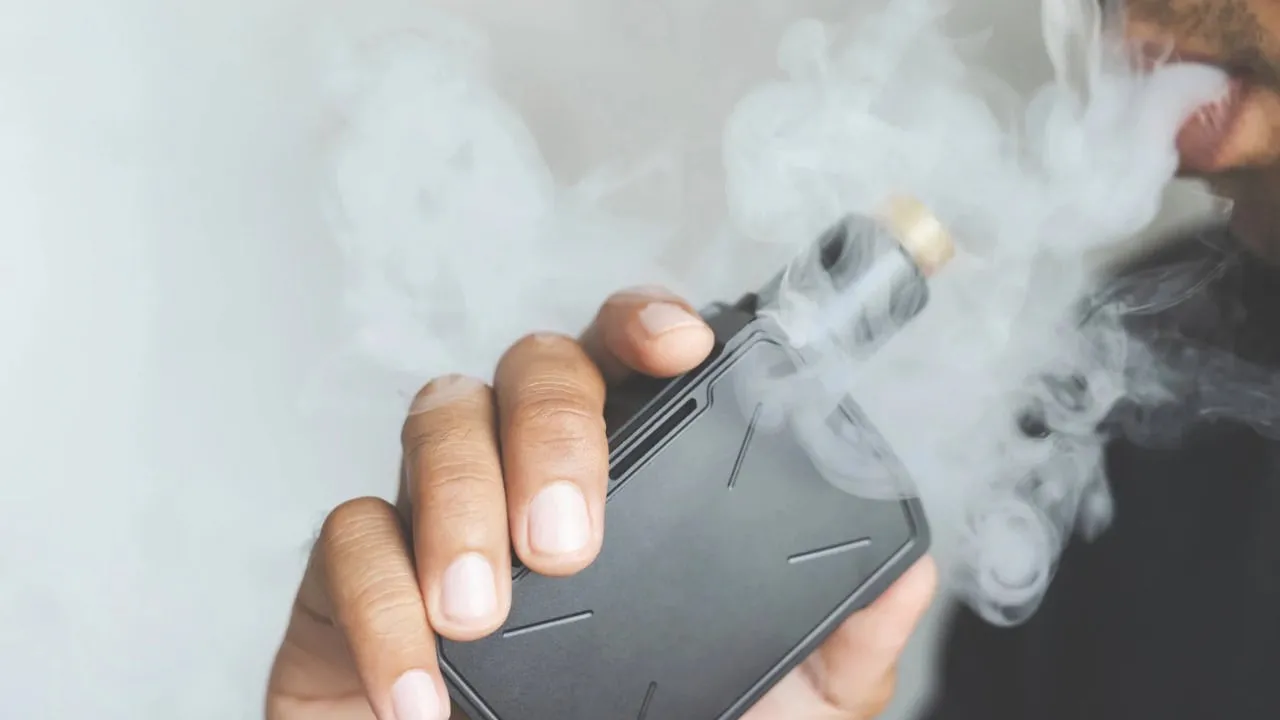
Punjab Imposes Complete Ban on Vapes and Nicotine Pouches
The province of Punjab has implemented a complete ban on vapes, e-cigarettes, and nicotine pouches, including brands like Velo. A Punjab police official confirmed the prohibition, stating that authorities are directing their immediate enforcement efforts toward merchants and sellers who continue to supply these items. Vendors who disregarded initial warnings and persisted in commercial operations have already faced formal legal cases.
This sweeping regulatory move targets the growing availability of electronic smoking devices and modern nicotine products across urban and rural centers. Law enforcement agencies have received clear directives to curb the distribution network entirely. By prioritizing the supply side, authorities hope to choke off access at the retail level before addressing individual users.
Why Authorities Compared Vapes to Charas
The official cited the widespread use of these products among young people and educated adults. In explaining the rationale behind the strict measures, the official compared the legal status and health risks of vapes and nicotine pouches to those of charas. Available accounts do not identify the specific legal provision behind the ban or specify exact penalties for violations.
Public health discussions surrounding electronic nicotine delivery systems often focus on their appeal to younger demographics through flavored liquids and sleek designs. The comparison drawn by the official highlights the perceived severity of the issue by regional authorities. Despite the lack of an explicitly cited statutory clause in early announcements, the enforcement machinery has moved rapidly to treat the trade of these items as a serious offense.
How Police Enforce the Vape Ban on Vendors
The district administration adopted a phased approach to root out the commercial sale of these restricted items. Initially, officials visited local vendors to issue formal warnings and confiscated existing merchandise from shops. In a subsequent phase, authorities returned the confiscated stock and registered first information reports against vendors who continued to sell the products.
The official stated that authorities would share copies of these first information reports with the public and media. Furthermore, police teams will act immediately on any reports regarding shops still selling vapes, e-cigarettes, or nicotine pouches. This enforcement strategy relies heavily on cutting off inventory and penalizing repeat offenders through the criminal justice system.
Police Awareness Campaigns in Educational Institutions
Law enforcement officers have taken their campaign directly to schools and medical facilities to deter youth consumption. Police visited Shahida Islam Medical Complex and other educational institutions to warn students against using the products. Deputy superintendents of police and station house officers are holding similar awareness sessions across the district.
These visits aim to educate students on the risks associated with electronic nicotine products. Officers are engaging directly with youth to explain the scope of the ban and the health hazards involved. Educational institutions serve as a primary focal point because statistics and local observations indicate high usage rates among students.
How Students Can Report Illegal Vape Sales
Authorities have established direct channels for students to assist law enforcement in tracking down illicit sellers. The official asked students to call the police helpline at 15 if they suspect someone is selling these products at a campus canteen, a roadside eatery, a kiosk, or from a van parked outside their institution. Students can also report suspected use on campus.
To encourage participation without fear of reprisal, police promised to protect the identities of students who come forward with information. The official added that officers would guide students found using the products rather than arresting them, while keeping the focus of punitive actions firmly on the commercial sellers.
Background on the Rise of Vaping in Pakistan
The sudden crackdown follows a period where electronic smoking devices gained a quiet foothold across Pakistan. A nationwide survey previously revealed a stark contrast between general public awareness of these devices and actual usage rates. Many consumers viewed electronic alternatives as harmless compared to traditional cigarettes, leading to an unregulated market expansion.
As the market grew, public health advocates raised concerns over the lack of quality controls and the marketing tactics targeting minors. The absence of federal taxation and strict age verification mechanisms allowed vendors to sell freely near schools and universities. This regulatory vacuum ultimately prompted regional authorities in Punjab to step in with an outright ban.