Government Agrees to Petrol Relief for 1,000cc Vehicles
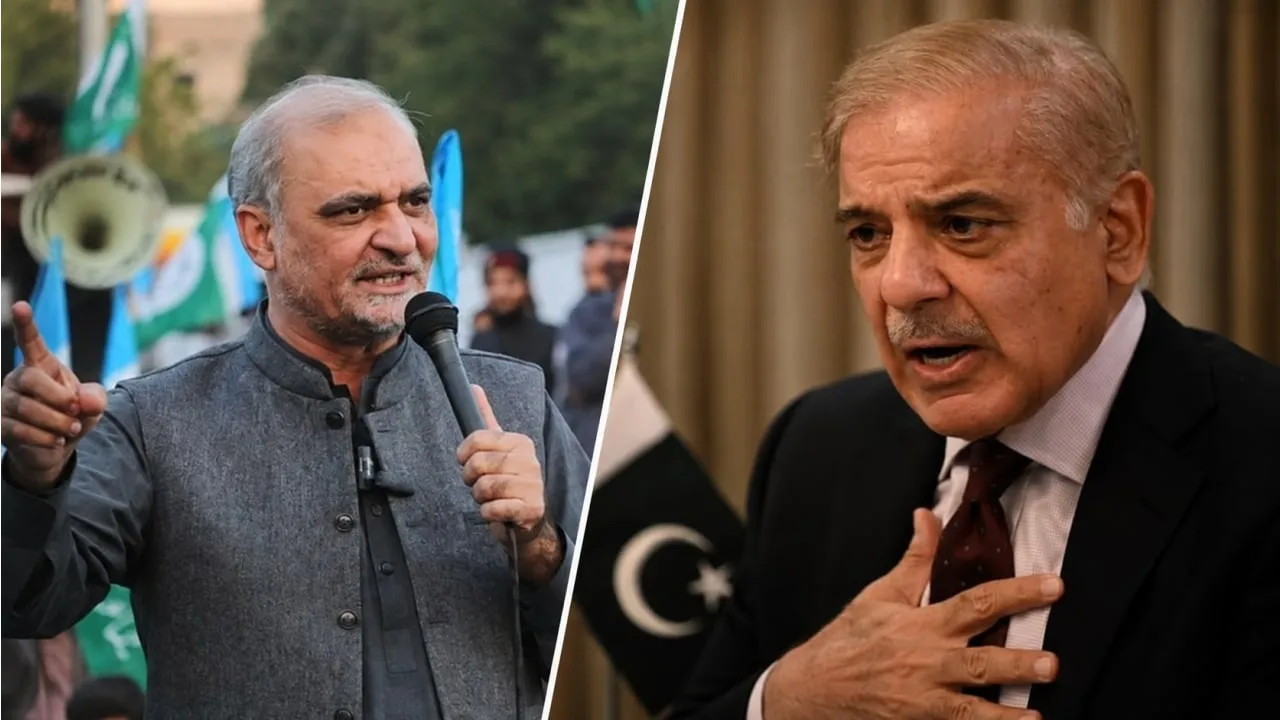
The federal administration has agreed to expand its petrol relief package to cover vehicles with engine displacements of up to 1,000cc. Jamaat-e-Islami (JI) chief Hafiz Naeem ur Rehman announced this development following a formal meeting with Prime Minister Shehbaz Sharif. The talks focused on addressing economic pressures and high living costs borne by ordinary citizens.
Motorists driving smaller vehicles face significant financial strain due to elevated petroleum prices. Extending subsidies to cars rated up to 1,000cc targets the segment of the population that relies heavily on compact commuter transport for daily travel. This measure forms part of a broader discussion between political leadership and opposition or allied political entities regarding targeted relief.
Speaking to journalists after the discussions, Hafiz Naeem detailed the contours of the arrangement reached with the administration. While the announcements outline specific targets, formal implementation procedures and timelines remain subject to further official finalization.
Diesel Subsidies for Farmers With Small Landholdings
In addition to relief for urban motorists, the agreement addresses the agricultural sector by offering diesel subsidies. Farmers owning up to 12.5 acres of land will qualify for this targeted assistance, specifically covering the diesel consumed by tractors for agricultural operations.
Agricultural productivity depends heavily on mechanical tilling, harvesting, and transport, all of which require diesel fuel. Small landholders often absorb the brunt of rising fuel expenses, which cuts directly into their operational margins and contributes to higher food prices. Providing targeted relief to farmers with properties under 12.5 acres aims to protect smaller agrarian households from escalating costs.
Agricultural support policies require careful administrative tracking to ensure benefits reach eligible landowners without widespread leakage. The proposed diesel subsidy mechanism addresses a long-standing demand from rural constituencies seeking relief from high energy input costs.
Limits Imposed on Official Government Vehicles
As part of the austerity measures discussed during the meeting, the administration agreed to restrict the use of state-owned transport. Officials will no longer use government vehicles with engine capacities exceeding 1,600cc.
Curtailing the use of large displacement official cars sends a signal regarding public sector austerity during times of economic hardship. Citizens often scrutinize public expenditure on luxury transport while households struggle with inflation and utility bills. Implementing limits on official fleet sizes addresses these public concerns directly.
The restriction applies to government departments and administrative offices using state resources for daily transit. Monitoring compliance with this vehicle engine limit will be part of the wider administrative reforms discussed between the political parties.
Formation of a Committee for Economic Proposals
Prime Minister Shehbaz Sharif announced the creation of a dedicated committee to evaluate and implement economic proposals put forward by Jamaat-e-Islami. The prime minister assured the visiting delegation that party recommendations would receive serious examination and swift action.
The committee brings together administration officials and representatives to review technical details of financial policies. Constructive dialogue between political factions often helps channel public grievances into structured policy adjustments during challenging economic cycles.
Specific subsidy arrangements announced by Hafiz Naeem still await independent confirmation from government ministries. Observers continue to monitor official channels for formal notifications regarding the implementation of these relief measures.
Background on Fuel Costs and Public Relief Demands
Rising global energy prices and domestic fiscal adjustments have driven up the cost of petroleum products in recent years. Citizens and commercial transport operators have experienced consistent increases in fuel expenses, affecting inflation across consumer goods and services.
Political parties frequently engage the central administration to demand targeted relief packages for vulnerable segments of the population. Subsidy schemes historically require balancing fiscal deficit targets with the immediate welfare needs of lower-income motorists and rural workers.
The discussions between Jamaat-e-Islami and the prime minister represent ongoing efforts to address these economic pressures through negotiated policy adjustments. Public anticipation remains high as citizens await concrete steps on fuel price relief.





