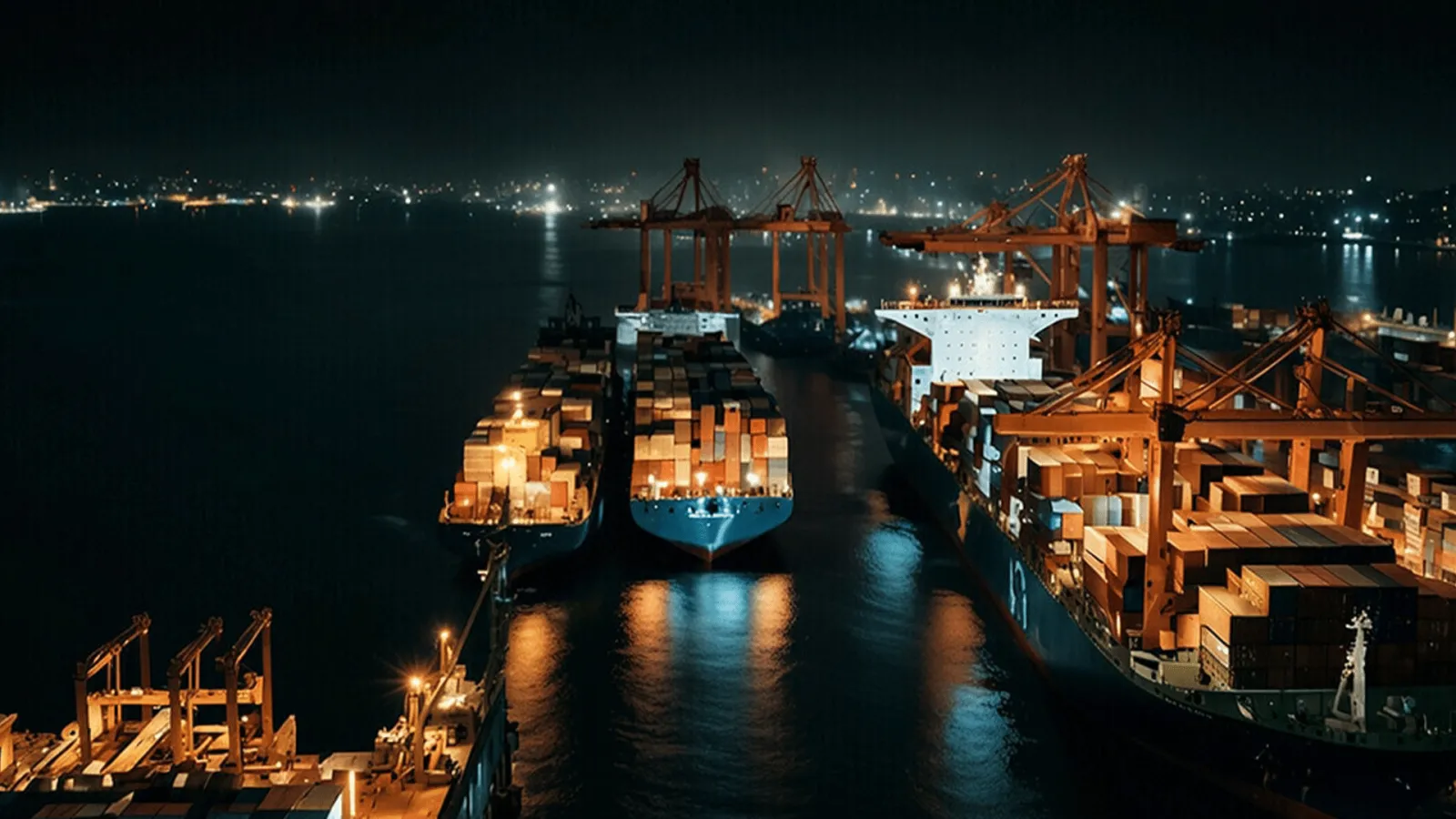
Pakistan's federal government has announced a focused drive to eliminate obstacles that hinder exporters, especially small and medium enterprises (SMEs), as part of a broader strategy to sharpen the country's export competitiveness.
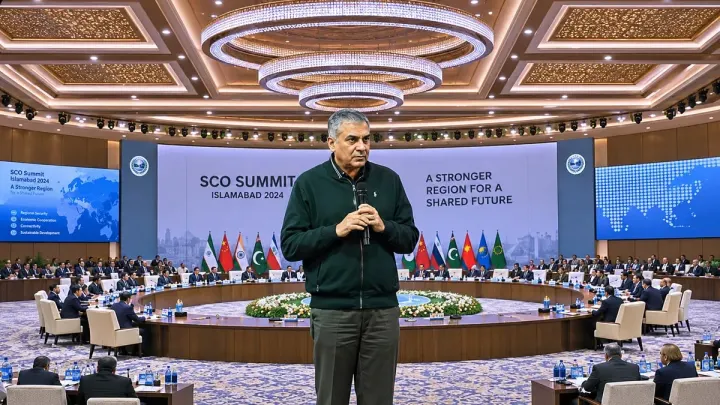
Minister of State for Finance and Revenue Bilal Azhar Kayani made the commitment while addressing participants of Global Entrepreneurship Week, an event organised by the Rawalpindi Chamber of Commerce and Industry (RCCI) at a local hotel.
What the Announcement Means for Pakistani Exporters
Kayani outlined a set of initiatives aimed at improving the business environment for SMEs. These measures include streamlining customs procedures, reducing paperwork, and offering targeted financial incentives to firms that expand into overseas markets. By easing regulatory burdens, the government hopes to lower the cost of doing business and accelerate the time it takes for Pakistani goods to reach foreign buyers.
Why SMEs Are Central to Pakistan's Export Strategy
SMEs account for roughly 40% of Pakistan's total exports, according to the State Bank of Pakistan. Their contribution is significant because they tend to be more agile than larger firms, capable of adapting quickly to changing market demands. Kayani highlighted that SMEs also generate a large share of new jobs, support domestic economic activity, and diversify the export basket beyond traditional commodities such as textiles and rice.
Background: Export Challenges Faced by Pakistani SMEs
Historically, Pakistani exporters have struggled with a range of structural issues. Lengthy customs clearance times, inconsistent application of tariff codes, and limited access to trade finance have all constrained growth. In a 2022 World Bank report, Pakistan ranked 108th out of 190 economies in terms of ease of exporting. These rankings reflect practical problems such as duplicate documentation, lack of digitised tracking systems, and inadequate training for export-oriented entrepreneurs.
Moreover, SMEs often lack the economies of scale needed to negotiate favorable shipping rates, making their products comparatively more expensive in competitive markets. The government's new pledge seeks to address these long-standing pain points through policy reforms and public-private collaboration.
How the Government Plans to Facilitate Export Growth
Kayani listed several concrete steps the ministry will pursue:
- Establish a one-stop export facilitation centre in each provincial capital to provide real-time guidance on documentation and compliance.
- Introduce a digital customs platform that integrates with the existing Pakistan Customs Automated System, reducing manual entry errors and processing time.
- Launch a credit guarantee scheme for SMEs that secure export contracts, lowering the risk for banks and expanding loan availability.
- Offer tax rebates on export-linked value-added services, such as packaging and quality certification.
- Organise quarterly trade missions to key markets in the Middle East, Europe, and Africa, pairing Pakistani firms with potential buyers.
These actions are intended to create a more predictable and supportive environment, encouraging both existing exporters and new entrants to scale up their operations.
Role of the Rawalpindi Chamber of Commerce and Industry
The RCCI, which hosted the Global Entrepreneurship Week event, plays a pivotal role in bridging the gap between policymakers and the business community. By convening entrepreneurs, industry leaders, and government officials, the chamber facilitates dialogue on practical challenges and potential solutions. Kayani praised the RCCI for "bringing entrepreneurs, business leaders and other stakeholders together to explore business opportunities, exchange ideas and develop partnerships."
Encouraging the Next Generation of Exporters
Beyond policy, Kayani urged young entrepreneurs to seize emerging opportunities. He highlighted sectors such as information technology services, halal food production, and renewable energy equipment, where Pakistan has growing comparative advantages. During the ceremony, the minister presented shields to high-performing entrepreneurs, signalling official recognition of innovation and export success.
Potential Impact on the Pakistani Economy
If the announced reforms are implemented effectively, they could raise Pakistan's export growth rate by several percentage points over the next five years. Increased SME participation would likely boost employment, particularly in urban and semi-urban areas where most small manufacturers are based. Higher export volumes would also improve the country's trade balance, easing pressure on the foreign exchange reserves that have been under strain in recent years.
What to Watch for in the Coming Months
The ministry has not disclosed a detailed timetable, but Kayani indicated that the initiatives will be rolled out "soon." Stakeholders should monitor the following developments:
- Publication of an official decree outlining the one-stop export facilitation centres.
- Launch date for the digital customs platform and any required training programmes for customs officials.
- Details of the credit guarantee scheme, including eligibility criteria and participating financial institutions.
- Schedule of the first trade missions and the list of target markets.
Business associations, such as the Federation of Pakistan Chambers of Commerce & Industry (FPCCI), are expected to provide feedback on the implementation process, ensuring that reforms remain aligned with on-the-ground realities.
Practical Takeaways for SME Owners
SME owners should begin preparing for the upcoming changes by reviewing their current export documentation, assessing eligibility for potential credit guarantees, and engaging with local chambers to stay informed about trade mission opportunities. Early adoption of digital record-keeping will also smooth the transition to the new customs platform.
In sum, the government's pledge represents a coordinated effort to remove long-standing barriers that have limited Pakistan's export potential. By focusing on SMEs, the administration aims to create a more inclusive growth model that generates jobs, diversifies the export mix, and strengthens the nation's position in global markets.