Graham Thorpe Widow Sues NHS Trust Following Tragic Death
Amanda Thorpe has launched legal action against Surrey and Borders Partnership NHS Foundation Trust, alleging failings in the medical treatment of her late husband, former England cricketer Graham Thorpe. The Surrey lefthander died at the age of 55 after being hit by a train on August 4, 2024, following a severe battle with anxiety and depression.
The personal injury claim was formally lodged at the High Court, with Amanda instructing a firm that specialises in clinical negligence. This legal step follows a coroner ruling last year that identified clear shortcomings in the psychiatric care provided during the final four months of the sportsman's life.
The Background to the Mental Health Crisis
Graham Thorpe suffered from mental health struggles for several years before his death, dealing with intense anxiety and depression. His wife detailed to an inquest how his mental health deteriorated significantly as his condition spiralled out of control. In the weeks leading up to his death, he expressed a desire to escape his pain and asked his wife to help him end his life, mentioning a wish to travel to Switzerland.
Prior to these final months, the former international batsman had attempted to take his own life in 2022. That attempt followed his dismissal from a coaching role with the England and Wales Cricket Board. He had lost his job after an incident surrounding a viral video filmed following a dismal Ashes series where England lost 4-0, which showed Tasmanian police breaking up a drinking session involving both England and Australia players.
Details of the Inquest and Medical Care Failings
Surrey Coroner's Court examined the timeline of psychiatric intervention in the months leading up to the tragedy. Evidence presented to the court revealed a gap of more than four months in which Graham Thorpe was not seen by his local National Health Service Trust. This extended absence of direct observation occurred despite a crisis call in June 2024 where the former player admitted he had given up.
Although a follow-up appointment was arranged by the community mental health team after the crisis call, no home visit was conducted. By June 2024, he had lost interest in food and wanted to hide away in total isolation while experiencing real crisis and despair. On August 4, 2024, he left his home and was never seen alive again.
Assistant coroner Jonathan Stevens recorded a verdict of suicide and stated there were shortcomings in the care that should have been provided to Graham in the last four months or so of his life. The coroner explicitly noted there were failings in the provision of his care.
Understanding Clinical Negligence Claims Against NHS Trusts
A clinical negligence claim against an NHS trust involves proving that the medical care provided fell below an acceptable professional standard and that this failure directly contributed to injury or death. In mental health contexts, trusts have a duty of care to monitor patients assessed as high risk, conduct appropriate follow-up visits, and respond adequately to distress calls.
When families pursue legal action through the High Court, they often seek accountability and answers regarding why protocols were not followed. Specialist solicitors examine medical records, internal trust reviews, and coroner findings to establish liability. The legal process can take months or years to reach a resolution or settlement.
Remembering Graham Thorpe and His Cricket Legacy
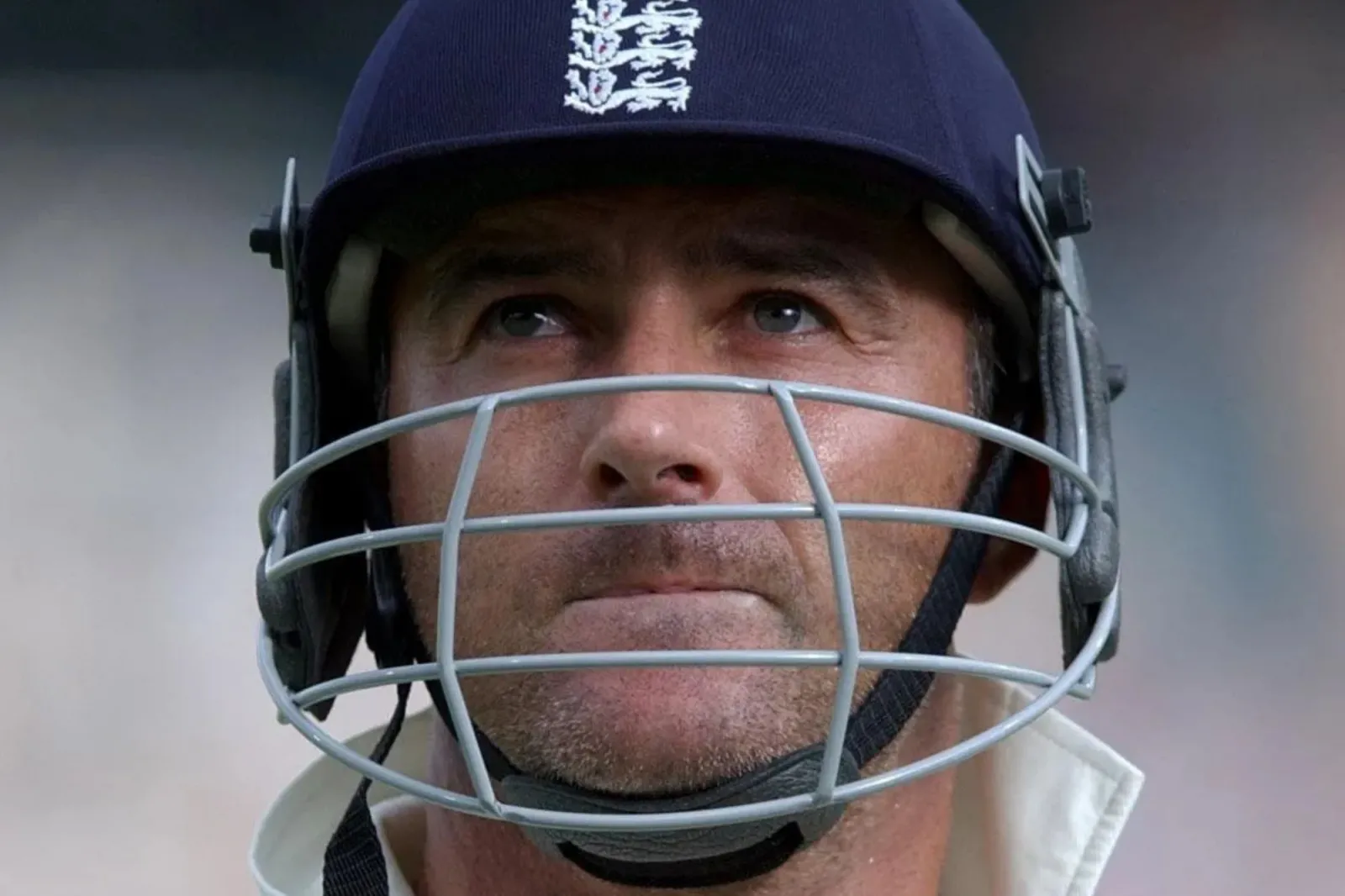
Graham Thorpe remains one of the most respected and accomplished English cricketers of his generation. He made his international debut in 1993, immediately capturing public attention by scoring a century on his first Ashes appearance and becoming the first England player to achieve that feat in 20 years.
He went on to become a mainstay in the national squad, playing 100 Test matches and scoring 16 centuries. He also featured 82 times for the One Day International side and enjoyed a distinguished 17-year domestic career with Surrey. His final Test appearance came in June 2005 before he was omitted from that summer's victorious Ashes series and called time on his international career.
Support Services for Mental Health and Suicide Prevention
Mental health challenges affect individuals across all segments of society, and suicide remains a leading cause of death among younger populations. Various organisations provide confidential support and crisis intervention across the United Kingdom for anyone struggling with emotional distress.
Support organisations include CALM at 0800 585 858, Mind at 0300 123 3393, and the Samaritans, who can be reached for free at 116 123. These services offer immediate listening ears and professional guidance for individuals and families dealing with severe mental health crises.