Habib Bank Limited Receives Approval for Voluntary Liquidation in Turkey
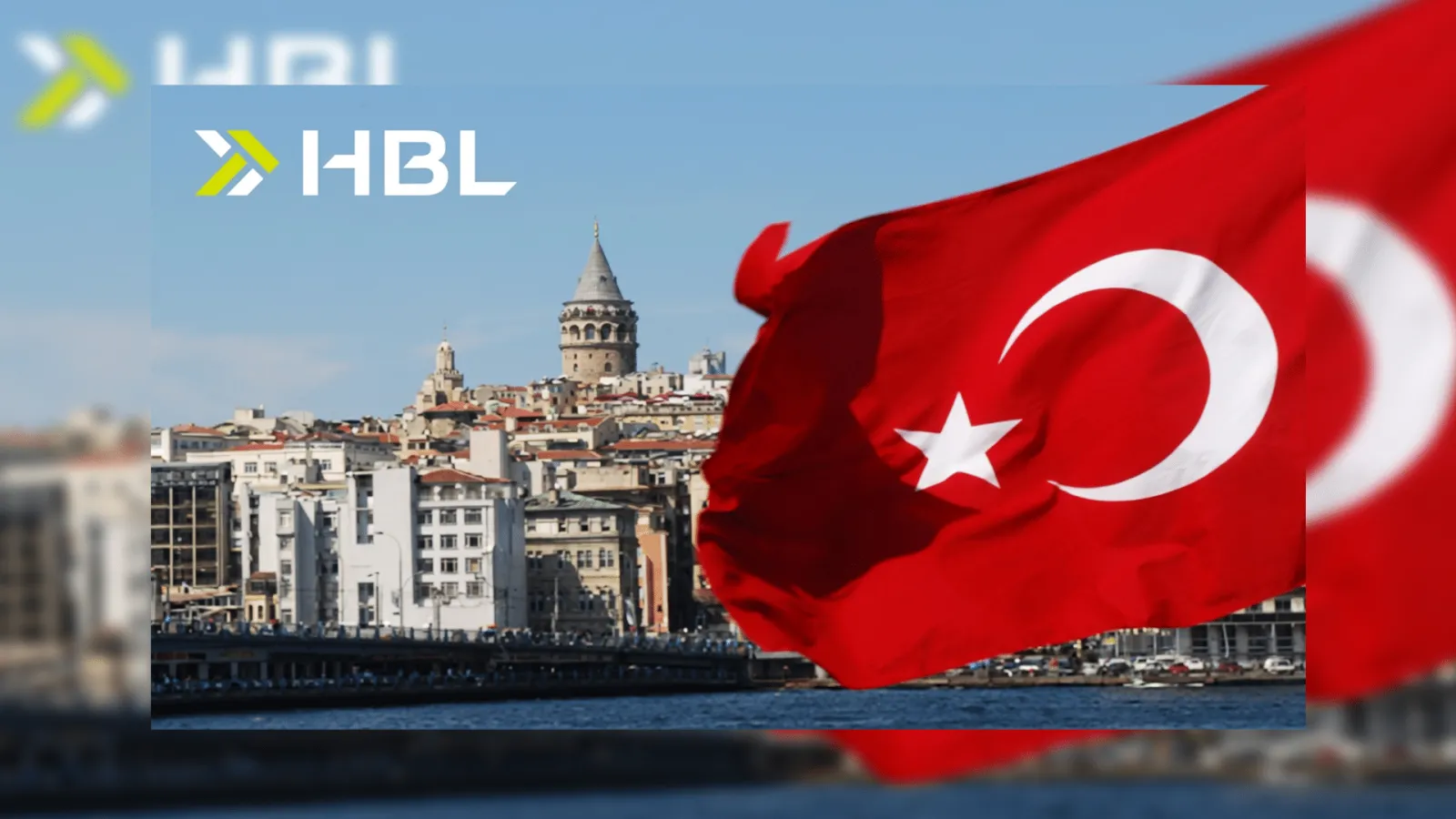
Habib Bank Limited has received regulatory approval for the voluntary liquidation of its operations in Turkey and is completing the remaining formalities for branch closure, according to information disclosed in the bank's annual book. The decision marks another major milestone in the financial institution's ongoing strategy to restructure and rationalise its global footprint. As international banking regulations grow stricter and compliance costs rise, financial entities frequently evaluate the economic viability of maintaining physical branches in distant jurisdictions.
The announcement regarding Turkey follows closely on the heels of the bank's complete departure from Belgium. HBL has already exited Belgium after obtaining the necessary regulatory approvals and surrendered its licence. The institution has also completed the cancellation of its commercial licence and filed its income tax return, while value-added tax deregistration is still pending.
Background on HBL International Operations Rationalisation
The move to wind down operations in Turkey and Belgium is not an isolated event but part of a multi-year strategy. Over the past few years, the bank has systematically reduced its overseas footprint by shuttering multiple foreign branches. This rationalisation process aims to concentrate resources on core markets where the institution holds a stronger competitive advantage and higher operational efficiency.
Previous closures span multiple continents and include high-profile financial centres and regional hubs. The institution previously closed branches in New York, Paris, Seychelles, and Oman. Each of these closures followed detailed reviews of local regulatory requirements, profitability metrics, and long-term strategic alignment.
Details of the Ongoing Global Wind-Down Process
Beyond Turkey and Belgium, the financial institution is currently processing orderly withdrawals and liquidations in several other countries. These complex procedures involve negotiating with local regulators, settling liabilities with creditors, and ensuring that all customer accounts are safely transferred or closed in accordance with local laws.
The bank has been winding down its operations in Afghanistan, Mauritius, and Lebanon. Its orderly withdrawal from Afghanistan began on June 10, 2019, while the remaining formalities for closure are still in progress. In Mauritius, the institution has completed its deregistration and sold its operations, transferring the business to new owners, though some formalities remain underway. The bank has also began an orderly wind-down of its operations in Lebanon, with the process ongoing.
Impact on Domestic Operations and Network in Pakistan
While the international strategy focuses on contraction and consolidation, the domestic standing of the institution remains robust. Despite scaling back its international presence, HBL maintains an extensive domestic network, operating nearly 1,800 branches across Pakistan. This vast domestic footprint allows the bank to service millions of retail, corporate, and institutional clients within its home market.
Concentrating efforts on the domestic market enables the institution to deploy capital more effectively into local economic sectors such as agriculture, energy, and small-to-medium enterprises. The savings generated from closing costly overseas branches can be redirected toward upgrading digital banking infrastructure, enhancing cybersecurity measures, and improving customer service quality nationwide.
What Comes Next for HBL Global Restructuring
As the final administrative formalities for the Turkey liquidation and the pending value-added tax deregistration in Belgium proceed, observers will monitor the institution's remaining international portfolio. The completion of the Afghanistan, Mauritius, and Lebanon wind-downs will mark the final phases of this extensive global restructuring program. Stakeholders and market analysts await further financial disclosures in upcoming annual reports to gauge the full impact of these consolidation efforts on the institution's profitability and capital adequacy ratios.