HMD Introduces Budget Android 16 Phone Featuring an Old Unisoc Chip
HMD has introduced the Rise, an affordable 4G smartphone running Android 16 Go Edition. The device uses a Unisoc processor originally launched in November 2018. The smartphone targets the budget segment and costs around $108 during its first-day sale. It comes with a 5,000mAh battery, a 13MP rear camera, and a 6.517-inch display.
The release of this entry-level device brings attention to how manufacturers approach ultra-low-cost mobile hardware by combining modern operating system software with legacy silicon. Budget smartphones play a major role in expanding internet access across developing regions where high-end mobile devices remain out of reach for many buyers. By focusing on essential daily tasks, these handsets cater to first-time mobile internet users who prioritize affordability above all else.
Display and Design Features of the HMD Rise
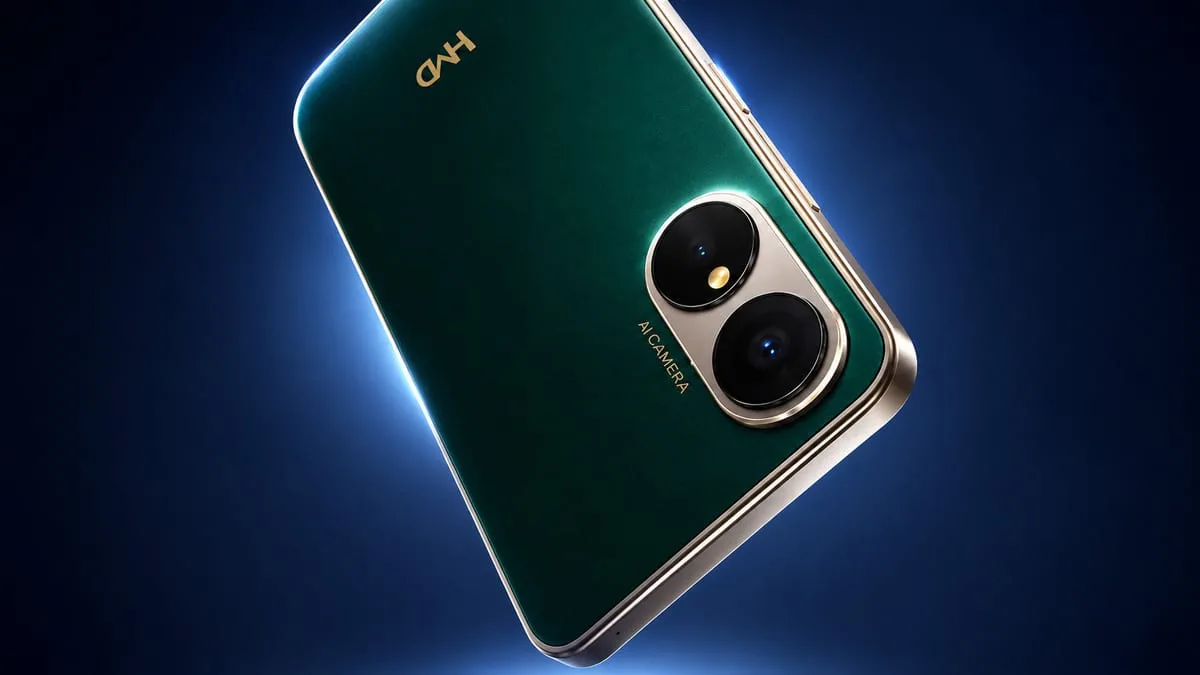
The HMD Rise features a 6.517-inch LCD with a waterdrop notch for the front camera. However, HMD has not shared details about its resolution, refresh rate, or peak brightness. The rear panel features a dual-tone finish and a vertically arranged camera module. Buyers can choose from three color options: Emerald Gold, Indigo Silver, and Midnight Gold. HMD has also yet to reveal the phone's dimensions, weight, or official durability ratings.
Manufacturing choices for budget screens typically favor liquid crystal display panels to keep retail costs low. While manufacturers often omit high refresh rates or high-definition resolutions in this price bracket, the screen size provides enough space for viewing media and reading text. The lack of published dimensions and weight means buyers must wait for hands-on reviews to understand the physical heft of the handset.
Processor Performance and Hardware Specifications
One of the phone's biggest talking points is its Unisoc SC9863A processor. The chipset first appeared on November 27, 2018, making it an unusually old choice for a smartphone launching in 2026. It features eight ARM Cortex-A55 cores clocked at up to 1.6GHz. Graphics are handled by the PowerVR GE8322 GPU. The processor was originally designed for entry-level smartphones with 4G connectivity.
Using a processor from past years helps device makers reduce component expenses significantly. The eight Cortex-A55 cores provide adequate performance for basic communication apps, web browsing, and messaging. While the hardware cannot handle demanding mobile games or intensive multitasking, it suits the lightweight demands of entry-level device software.
Software Support and Android 16 Go Edition
Despite the older hardware, the Rise ships with Android 16 Go Edition. Google designed this version of Android for affordable devices with limited hardware resources. The phone includes 4GB of RAM and 64GB of internal storage. Users can expand storage by up to 128GB through a microSD card.
Go Edition software optimizes system memory and storage consumption so that entry-level processors can run smoothly. The inclusion of 4GB of RAM gives the operating system enough room to keep background processes stable. MicroSD expansion solves the limitation of the 64GB onboard storage capacity for users who store large media collections.
Software Updates and Indus AI Assistant
HMD promises quarterly security updates for two years. However, the company has not confirmed any major Android version upgrades. The device also features Indus AI, an assistant developed by Sarvam AI. It supports 22 languages. Other connectivity options include 4G LTE, USB Type-C, and a 3.5mm headphone jack.
Providing two years of quarterly security patches helps protect budget device owners from newly discovered digital threats. The inclusion of an artificial intelligence assistant supporting 22 languages brings localized voice and text tools to a wider regional audience. Retaining the 3.5 والج headphone jack ensures compatibility with wired audio accessories.
Camera Capabilities and Battery Performance
The HMD Rise comes with a 13MP primary rear camera and an LED flash. Launch coverage mentions a dual-camera setup, but HMD has not shared details about the possible secondary sensor. For selfies and video calls, the phone includes a 5MP front-facing camera. The company has not disclosed detailed camera features or video recording capabilities.
The smartphone packs a 5,000mAh battery and includes a charger in the box. It supports USB Type-C charging, although HMD has not revealed the charging speed. The HMD Rise is available in one configuration with 4GB of RAM and 64GB of storage. Its first-day sale price is approximately $108.
A 5,000mAh power cell offers extended runtimes for users who may face unreliable access to electrical outlets throughout the day. Including a power adapter inside the retail box saves buyers from purchasing a separate charging brick. The first-day sale price of approximately $108 positions the handset aggressively within the entry-level market tier.