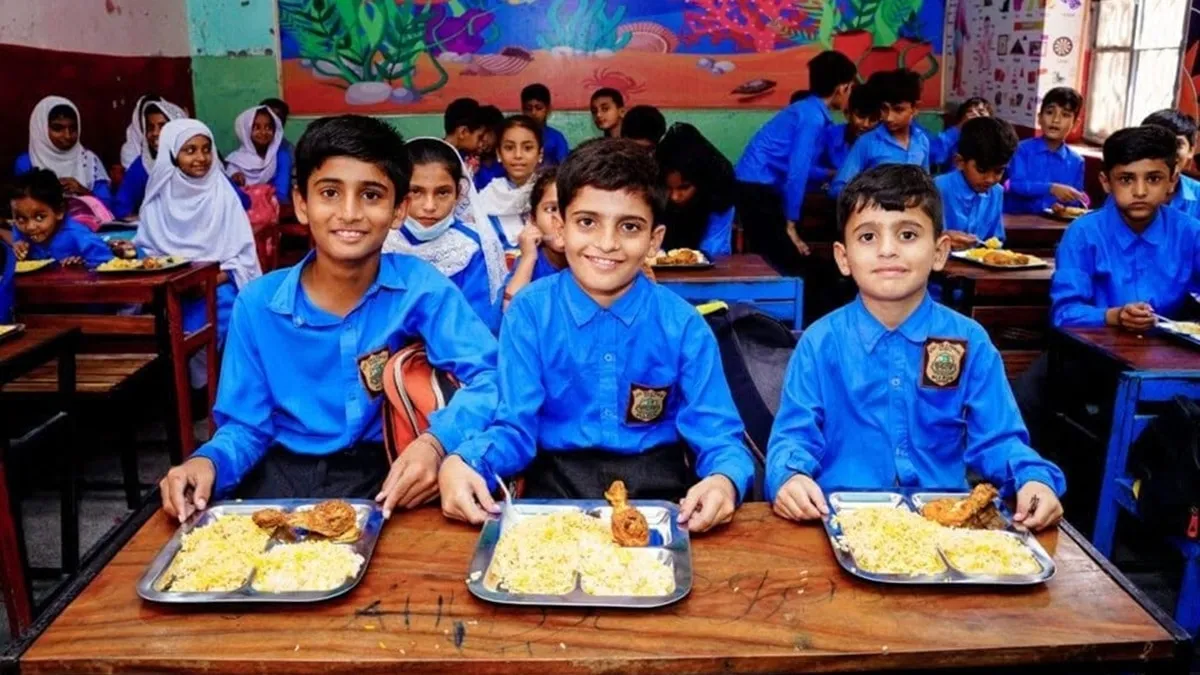
Peshawar Launches School Meal Program for 10,000 Students
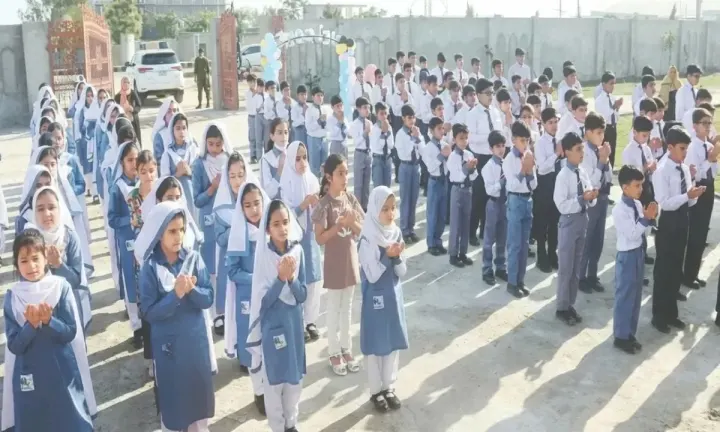
The Khyber Pakhtunkhwa government has formally launched a School Meal Program to provide nutritious food to 10,000 students enrolled in government primary schools across Peshawar. This initiative aims to address nutritional deficiencies among young learners while simultaneously tackling broader educational challenges such as low enrollment and student absenteeism in the region.
Officials inaugurated the program at Government JICA Model Primary School in Hayatabad, where Secretary Elementary and Secondary Education Mahmood Aslam Wazir and Allah Wali Foundation Chairman Shahid Lone signed a memorandum of understanding (MoU). The partnership between the provincial education department and the non-profit organization marks a significant administrative step in implementing targeted welfare policies within the public school system.
Key Figures Attend the Launch Ceremony in Hayatabad
Dr. Aamir Abdullah, Advisor to the Khyber Pakhtunkhwa Governor on Education and Social Welfare, attended the ceremony as chief guest. His presence underscored the high-level governmental backing for the school feeding initiative and signaled a coordinated effort among provincial leaders to prioritize child welfare and foundational learning outcomes.
Several other notable figures participated in the inaugural event to show their support. Special Secretary Qaiser Alam, Director Elementary and Secondary Education Jafar Mansoor Abbasi, Foundation Director Amir Khan, school staff and students also attended the proceedings at the Hayatabad facility.
Following the signing ceremony, Dr. Abdullah cut the ribbon to formally launch the initiative and personally distributed meals among students. This hands-on involvement highlighted the administration's commitment to ensuring that the food reached the intended recipients efficiently and under proper conditions.
The Vision Behind the Peshawar School Meal Program
Addressing the gathering, Dr. Abdullah said he had learned about the positive impact of school feeding programs on children's health and academic performance nearly 15 years ago while working in governance and development. He said launching such an initiative in schools had been a long-standing ambition rooted in his professional observations of successful international and regional welfare models.
He emphasized that proper nutrition, good health and physical development play an important role in children's ability to learn and succeed academically. Without adequate daily nourishment, young students often struggle to concentrate during lessons, experience fatigue, and fall behind in their cognitive and physical development milestones.
Expected Educational and Nutritional Impacts on Children
Dr. Abdullah said providing meals at schools would help meet children's nutritional needs while encouraging enrollment, improving attendance and supporting their continued education. For many families facing economic hardship, the guarantee of a daily meal at school serves as a practical incentive to send their children to class rather than keeping them at home or having them enter the labor force.
Educational experts have long noted that hunger is a primary barrier to academic retention in developing regions. By alleviating daily hunger, schools can create a more inclusive environment where children from marginalized households can focus on their studies, participate in classroom activities, and complete their primary education without interruption.
Collaboration Between Government and Non-Profit Sector
The execution of the School Meal Program relies heavily on the cooperative framework established between the Khyber Pakhtunkhwa education department and the Allah Wali Foundation. Public-private partnerships of this nature allow government agencies to leverage the specialized logistical capabilities of non-governmental organizations to deliver services directly to the public.
Chairman Shahid Lone and Foundation Director Amir Khan represented the organization during the agreement signing alongside Secretary Mahmood Aslam Wazir. The operational details agreed upon in the memorandum of understanding outline how meals will be prepared, transported, and distributed to the designated schools within Peshawar without disrupting daily classroom schedules.
Understanding Primary Education and Welfare in Khyber Pakhtunkhwa
The primary education sector in Khyber Pakhtunkhwa encompasses thousands of government-run institutions serving millions of children from diverse socio-economic backgrounds. Provincial authorities continuously seek innovative methods to upgrade infrastructure, enhance teacher training, and introduce student-centric welfare programs to bridge the gap between private and public school standards.
Model schools, such as the Government JICA Model Primary School in Hayatabad where the program was launched, often serve as testing grounds for new educational policies and pilot projects before broader regional rollouts are considered. The success of the current initiative among the initial 10,000 students will likely dictate future decisions regarding the expansion of school feeding programs to other districts within the province.