How the HEC Plans to Integrate Ministry of Foreign Affairs Verification
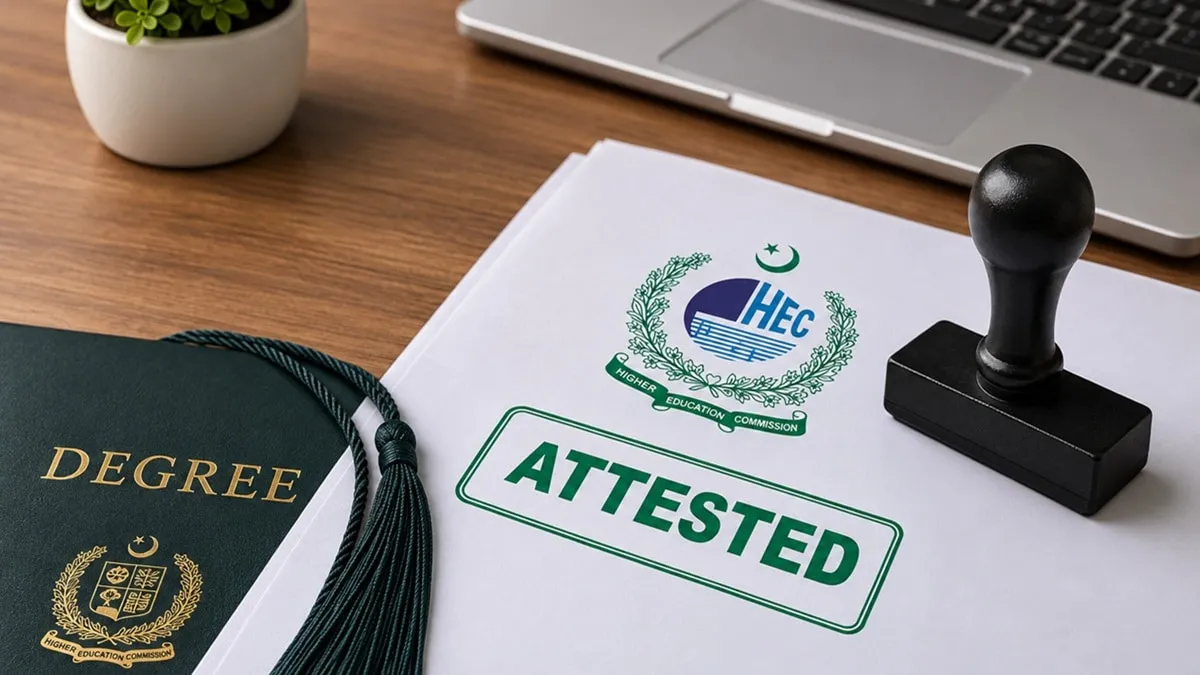
The Higher Education Commission has decided to integrate the Ministry of Foreign Affairs attestation option into its online degree attestation portal to simplify the process for students. This administrative change aims to connect two critical stages of document legalization that graduates routinely complete when preparing for international employment or education.
Under the proposed system, applicants will be able to indicate whether they also require MOFA attestation when submitting their degree attestation requests through the HEC portal. By merging these steps into a single digital entry point, the commission seeks to remove redundant paperwork and streamline the bureaucratic journey for degree holders.
The new feature is expected to streamline the verification and attestation process, reducing the time and effort students currently spend completing separate procedures. Officials said the initiative is part of HEC's broader digital transformation plan to make student-related services more accessible, transparent, and efficient.
Background on Degree Attestation and Legalization Procedures
For decades, graduates seeking to use their academic credentials abroad have had to navigate a multi-agency verification chain. Educational documents typically require initial verification from the issuing board or university before the Higher Education Commission confirms their authenticity. Once the commission validates the credentials, applicants must take or send those documents to the Ministry of Foreign Affairs for final endorsement before foreign embassies accept them.
This traditional workflow often requires physical visits, separate fee submissions, and distinct tracking mechanisms for each institutional office. Students frequently face long delays, complicated courier arrangements, and coordination hurdles between different government departments. The integration of these services represents a significant operational shift in how public sector bodies coordinate digital infrastructure to serve citizens.
Digital transformation initiatives within public administration have gradually altered how educational and legal documents are processed. Online portals reduce the physical footprint of administrative offices while offering applicants real-time status updates. Educational administrators continuously evaluate feedback from graduates to identify bottlenecks in document verification channels.
Impact of Streamlined Verification on Students and Professionals
The facility is expected to benefit thousands of students who apply for degree attestation each year. Academic professionals, scholarship applicants, and job seekers moving overseas rely heavily on fast document processing to meet strict visa and university admission deadlines. Any reduction in processing time directly improves the chances of securing international opportunities without administrative stress.
Financial savings also accompany reduced processing times, as applicants spend less money on multiple courier services, travel expenses, and agency fees. Businesses and academic institutions abroad benefit indirectly by receiving verified credentials through more reliable verification channels. Transparent administrative procedures build greater confidence in the integrity of national educational documents.
HEC also plans to continue upgrading its online platform to provide faster and more convenient services to students across the country. Technical improvements to the portal infrastructure help manage high volumes of applications during peak graduation seasons. Continuous software updates ensure data security and improve user experience for applicants across different regions.
Understanding the Role of the Higher Education Commission
The Higher Education Commission acts as the primary regulatory body for higher education across the country, setting standards for universities, degree programs, and academic research. Beyond institutional accreditation, the commission provides direct services to students, including scholarship administration, equivalence determination, and official document attestation. Degree attestation verifies that an applicant completed their studies at a recognized institution and that their transcripts and diplomas are genuine.
Employers and foreign governments require this official stamp of approval to ensure that academic qualifications meet recognized educational standards. The transition toward digital portals allows the commission to maintain secure databases of graduates, minimizing the risk of fraudulent credentials entering the professional market. Centralized digital records protect the reputation of domestic universities on the global stage.
Administrative coordination between the commission and foreign affairs offices requires robust backend data sharing. Security protocols protect personal information while allowing authorized officials to review and approve documents efficiently. Administrative frameworks evolve to accommodate higher volumes of international mobility among young professionals and researchers.
What to Expect Next in Digital Public Services
As the commission prepares to launch the integrated attestation option, applicants should monitor official portal announcements for system rollout dates and updated procedural guidelines. Technical instructions will likely be published on the main website to guide users through the combined application steps and fee structures. Educational institutions also share these updates to help graduating batches prepare their documents well in advance.
Observers of public sector reforms note that successful integration of inter-agency digital services sets a precedent for other government departments. Continued investment in digital infrastructure remains a priority for modernizing public service delivery. Students and professionals awaiting international placements should keep their academic records organized and ready for submission as soon as the new feature goes live.