Motorway Police Seize Non-Custom-Paid Cigarettes on M-4 Near Gojra
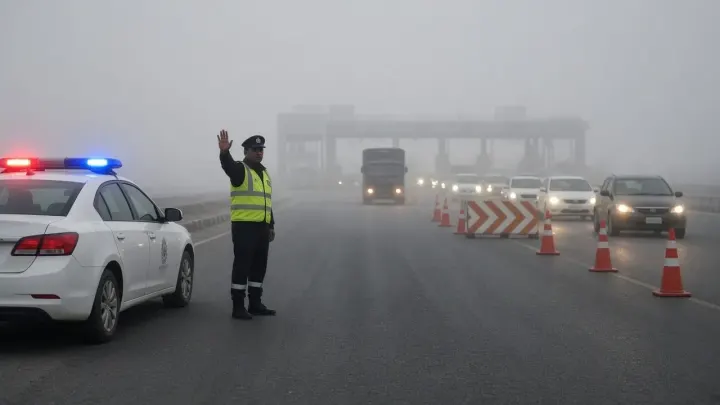
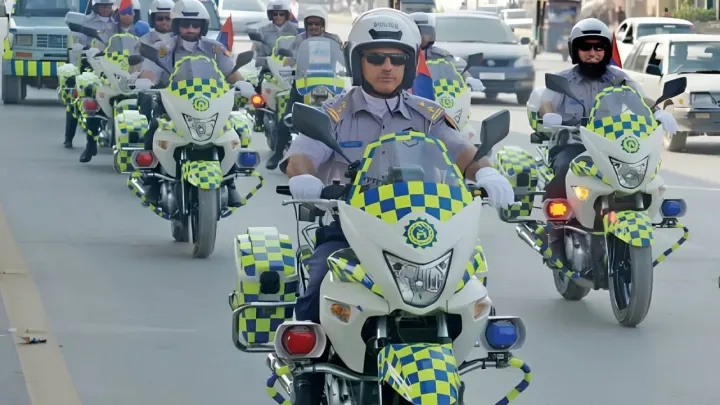
The Motorway Police successfully recovered 15,000 packs of non-custom-paid cigarettes worth approximately Rs. 3 million during a targeted operation near Gojra on the M-4 motorway. This interception highlights ongoing efforts by law enforcement agencies to curb the illicit trade of smuggled goods along major transportation corridors. Contraband movement often relies on major highway networks to transport products across provincial and regional boundaries without paying mandatory federal duties.
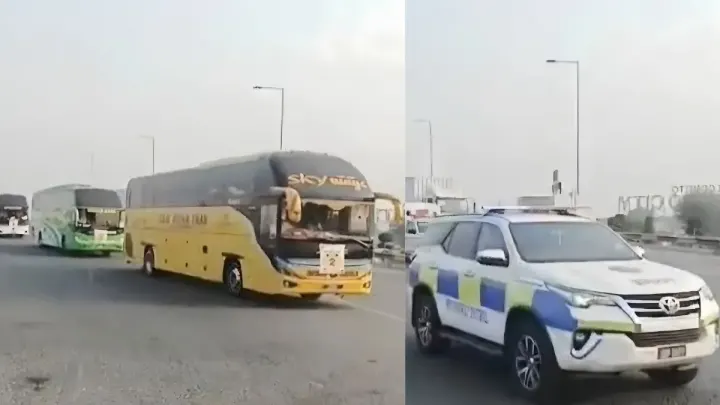
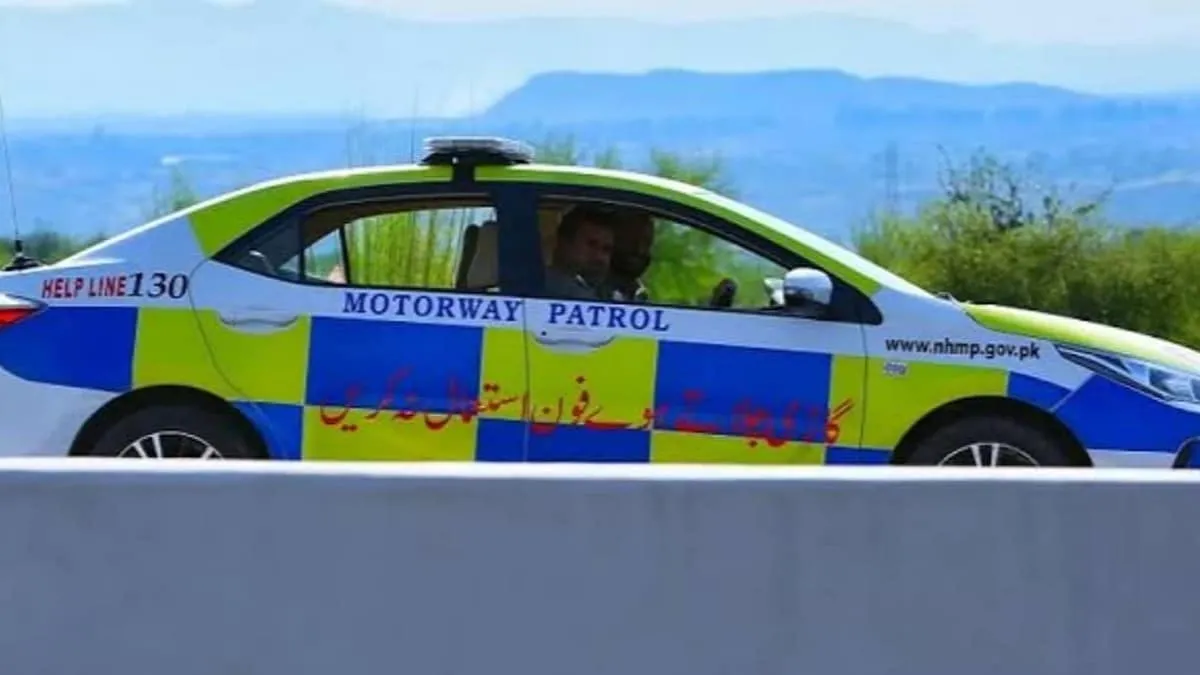
According to Central Region spokesperson Syed Imran Ahmed, the recovery was made near Beat 19 during routine patrol activities. Motorway Police officers stopped a suspicious Toyota vehicle after noticing that its rear and side sections were completely covered. Such modifications often indicate an attempt to conceal heavy loads or restricted merchandise from plain view during transit.
How the Routine Patrol Led to the Contraband Discovery
Routine patrols conducted by the Motorway Police frequently extend beyond traffic regulation and road safety enforcement. Officers are trained to observe anomalies in vehicle posture, suspension levels, and exterior alterations that suggest illegal cargo transport. In this instance, the unusual concealment of the Toyota vehicle prompted officers to conduct a closer inspection.
A search of the vehicle led to the recovery of around 15,000 packs of cigarettes believed to have been transported illegally. The two men traveling in the vehicle, both reportedly from Mardan, were found involved in the illegal transportation of the cigarettes. The suspects were secured at the scene without incident before being transferred to investigative authorities.
The Role of Customs Authorities in Smuggling Cases
The Motorway Police do not possess direct jurisdiction to prosecute fiscal crimes such as tax evasion or customs violations. Consequently, standard protocol requires law enforcement officers to hand over confiscated goods and detained individuals to specialized agencies. The Motorway Police handed over the vehicle, both suspects and the recovered cigarettes to Customs officials for further legal action.
Customs departments maintain responsibility for investigating supply chains, assessing evaded duties, and initiating formal legal proceedings against offenders. Smuggled cigarettes undermine the regulated market by avoiding health warnings, standard packaging regulations, and substantial federal and provincial taxes. Authorities rely on inter-agency cooperation between highway patrols and revenue collectors to disrupt these distribution networks.
Impact of Illicit Tobacco Trade on the National Economy
The illicit trade of tobacco products represents a significant challenge for national revenue collection and public health policy. Unregulated cigarettes bypass taxation structures that fund public services, creating unfair competition for legitimate manufacturers who comply with legal frameworks. Operations targeting shipments on major routes like the M-4 motorway aim to reduce the availability of untaxed goods in local markets.
Efforts to intercept contraband shipments require constant vigilance from highway law enforcement personnel. Smugglers frequently adapt their concealment methods, using private vehicles, modified vans, and commercial trucks to blend into normal traffic. Law enforcement training focuses on identifying these tactics to intercept illegal cargo before distribution to retailers occurs.
Next Steps for the Investigation and Suspects
Following the handover of the suspects and the seized items, Customs investigators will examine the origins and intended destination of the cigarette shipment. Authorities typically trace supply chains backward to identify major distributors and commercial entities involved in acquiring non-custom-paid merchandise. The suspects from Mardan will face formal questioning regarding their role in the transportation network.
Legal proceedings will determine the penalties for evading customs duties and transporting restricted goods. The recovered vehicle remains in custody as physical evidence alongside the 15,000 packs of cigarettes. Courts will eventually order the destruction or legal disposal of the seized tobacco products once administrative and judicial processes conclude.