Making healthy eating choices can often feel confusing and difficult to follow, but new research shows that simple kitchen habits can make a major difference. Experts suggest that the secret to a much healthier diet might be hiding in plain sight, or even sitting in your food bin. Researchers at King's College London discovered that out of twelve common fruits and vegetables, ten contain more fibre in the parts people usually throw away than in the parts they consume.
The skins of items like kiwis, pineapples, and watermelons, along with the seeds inside bell peppers and butternut squash, are packed with dietary fibre. Statistics show that 95 per cent of people fall short of the recommended daily intake of 30g of fibre. Dr Rachel Gibson, author of the study published in the International Journal Of Food Sciences and Nutrition, noted that these root-to-tip components represent between 25 and 48 per cent of the total weight of the produce people purchase.
How to Get More Fibre From Your Fruit and Vegetables
People are discarding a significant portion of the food they buy every single week. These neglected parts of plants could help address widespread dietary fibre deficits. Social media trends have recently popularised high-fibre eating habits often referred to as fibre-maxxing, which involves centering meals around as much roughage as possible. However, medical experts have advised eating more fibre for decades to reduce the risks of bowel cancer and heart disease while helping to manage weight.
Throwing away fruit and vegetable skins represents only a fraction of common kitchen mistakes. Implementing small adjustments to how food is prepared, stored, and consumed can turbocharge daily nutrition without requiring an entirely new grocery list. Understanding the chemistry behind food preparation allows home cooks to extract maximum health benefits from everyday ingredients.
Why You Should Let Chopped Garlic Rest Before Cooking
Laying chopped garlic down to rest before cooking with it can make the ingredient significantly healthier, according to scientific research. The health benefits of this kitchen staple include lowering blood pressure and cholesterol, alongside potentially reducing the risks of cancer and dementia. Much of this medicinal effect traces back to a sulfur compound called allicin. This compound is activated by an enzyme called alliinase when a clove is crushed or chopped, but the chemical reaction stops immediately if the garlic is heated straight away.
A 2001 study published in the Journal of Nutrition found that resting chopped garlic for ten minutes prior to cooking allowed the necessary reaction to take place. This brief pause successfully preserved the health-boosting allicin before the heat could deactivate the enzyme. Home cooks can easily adopt this habit by chopping their garlic first thing before beginning any meal preparation.
Does Freezing White Bread Make It Healthier?
White bread frequently receives criticism because it is classified as an ultra-processed food, meaning it is industrially manufactured with additives and preservatives. As a heavy carbohydrate, it can cause rapid blood sugar spikes. However, a 2008 study recommends freezing white bread before using it for toast to counteract some of these negative nutritional impacts.
Experts at Oxford Brookes University demonstrated that freezing and then toasting white bread reduced the size of the blood sugar spike it normally causes. The low temperature alters the starch molecules in the bread, making them more resistant so the body takes longer to digest them. This chemical shift means the toast can make people feel fuller for longer periods and reduce uncomfortable bloating. Reheating leftover pasta creates a similar increase in resistant starch, leading to a slower release of glucose into the bloodstream.
Should You Cook Carrots and Tomatoes Instead of Eating Them Raw?
Two of the most popular salad ingredients might actually be healthier when cooked rather than eaten raw, because heat breaks down the tough plant cell walls that trap organic goodness. Cooked carrots release significantly more beta-carotene, which the human body converts into vitamin A to support eye health and immune function. Separate research conducted by Newcastle University suggests that boiling carrots before cutting them helps the vegetable retain 25 per cent more of the anti-cancer compound falcarinol.
Cooking tomatoes also releases higher amounts of the antioxidant lycopene, which researchers link to lower cancer risks. The human gut absorbs lycopene much more effectively when it is combined with healthy fats such as olive oil, making roasted tomatoes an ideal meal component. Cooking tomatoes does reduce their vitamin C content, so nutritional experts advise eating a balanced mix of both hot and cold preparations.
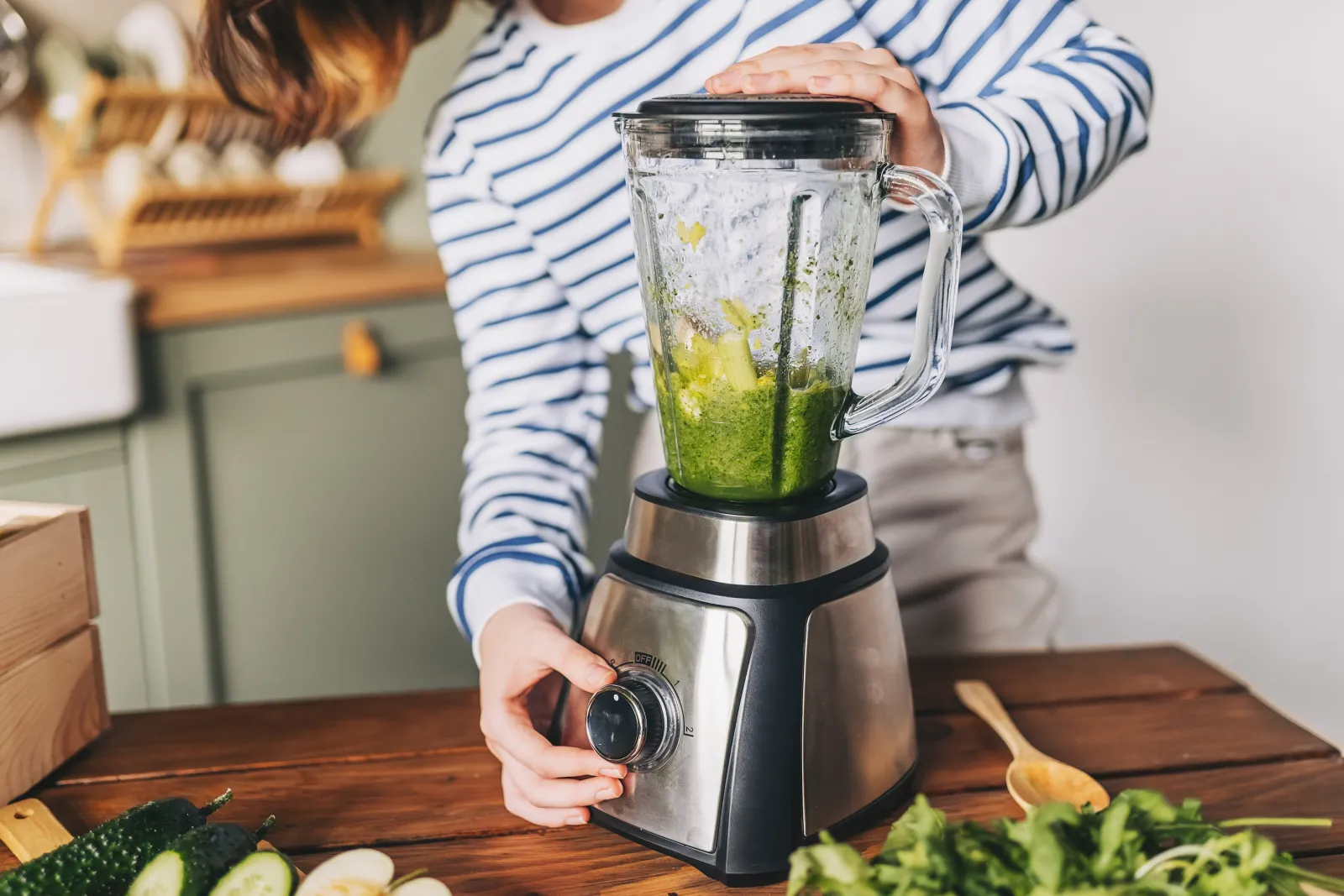
Blended vegetables can also serve as a stealthy method to lose weight and improve overall nutrition. A study by Pennsylvania State University found that 41 participants chose how much food to eat based on the physical quantity available rather than the calorie count. A large volume of low-calorie food proves far more appealing than a tiny portion of high-calorie food. Participants felt equally full when 25 per cent of a standard meal was replaced with puréed cauliflower and spinach, which significantly cut their calorie intake while increasing their vegetable consumption.
Can Changing Your Cutlery Help You Lose Weight?
Struggling to maintain healthy portion sizes during meals can be frustrating, but changing simple physical habits might provide a solution. Eating with a fork rather than a spoon could help individuals lose weight by altering how the brain perceives bite sizes. Research published in the Journal of the Association for Consumer Research found that using a spoon made people think their bites were smaller, leading them to consume more food overall.
Eating from smaller plates can similarly give the optical illusion that a meal is much larger than it actually is. Participants in a 2016 study ate 245 calories of self-serve macaroni cheese when given a 10in plate, whereas those using a 7in plate consumed only 157 calories of the exact same meal. These environmental tweaks require zero dietary restriction while naturally lowering daily caloric intake.
How Orange Juice Boosts Iron Absorption at Breakfast
Orange juice remains a breakfast classic that is naturally bursting with vitamin C. This vital nutrient not only ensures healthy blood vessels, cartilage, and collagen, but it also assists the body in absorbing iron from other foods. Nearly one in ten women are estimated to experience anaemia, a condition that might display no symptoms but frequently causes tiredness, pale skin, and headaches.
Scientific studies show that vitamin C increases the amount of iron the body absorbs from plant sources, known as non-heme iron, which appears abundantly in fortified breakfast cereals. Popular breakfast choices like Weetabix, Shreddies, and Cheerios all contain added iron, meaning a glass of orange juice consumed alongside them provides a significant nutritional boost. Conversely, coffee and tea have the exact opposite chemical effect by slowing down iron absorption, meaning morning drinkers should space out their hot beverages from iron-rich meals.
Finally, while bananas and berries make delicious additions to a balanced diet to help individuals reach their five-a-day goal, they should ideally be served separately. Blackberries, blueberries, and strawberries contain high levels of flavanols known to improve heart and brain health, while bananas are packed with fibre and vitamin B. However, bananas also contain an enzyme called polyphenol oxidase, which causes them to turn brown and actively counteracts the health benefits of berries. A 2023 study published in the journal Food & Function revealed that this enzyme can block the body from absorbing berry flavanols if both fruits are consumed at the exact same time.