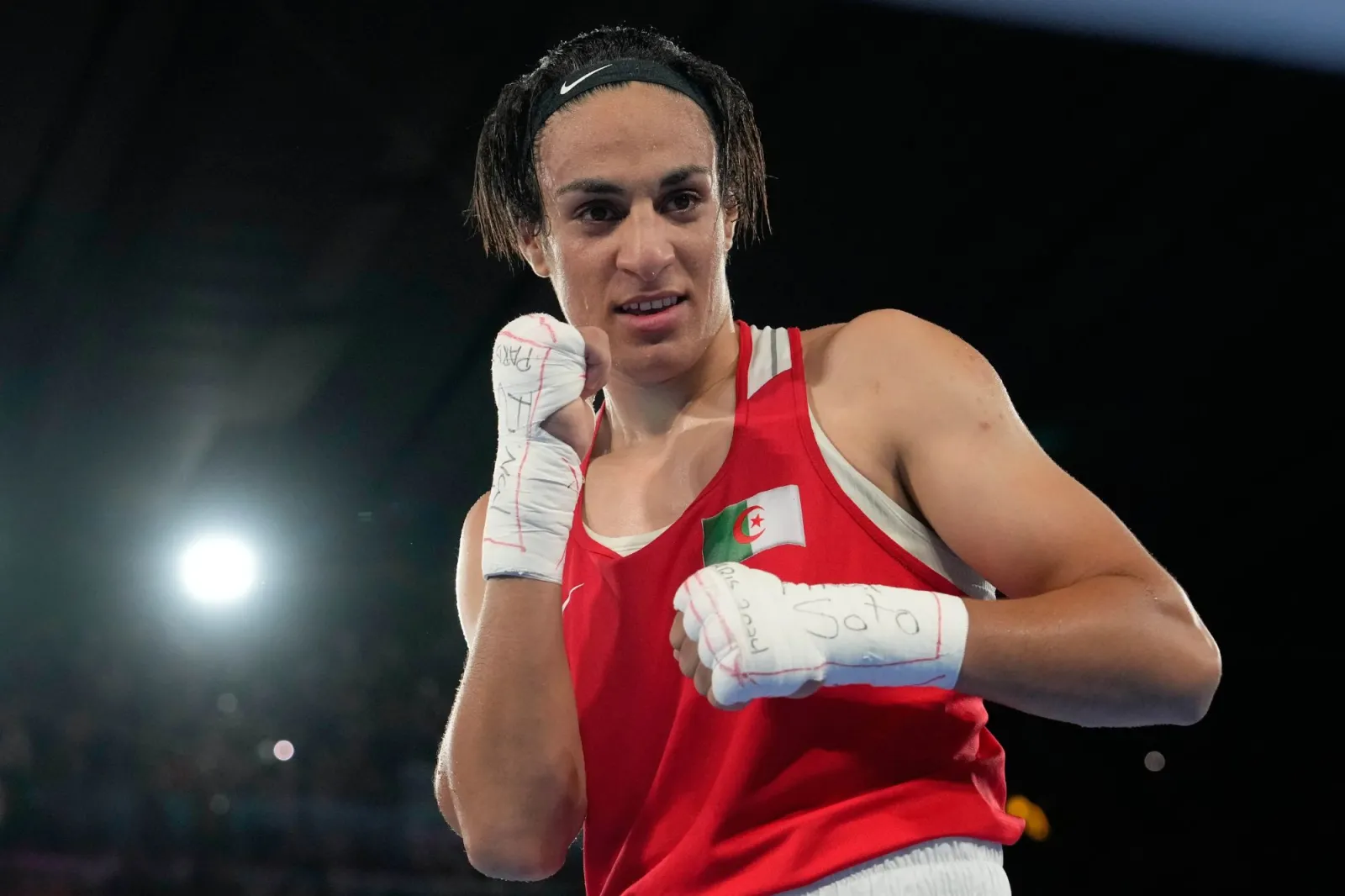
Algerian boxer Imane Khelif, 27, is scheduled to make her professional debut on December 15 at the Maison de la Mutualité in Paris, more than two years after the gender eligibility controversy that dominated her 2024 Olympic gold-medal performance.
What Led to Khelif's Two-Year Hiatus?
Khelif's Olympic triumph in the women's welterweight division at the Paris 2024 Games was immediately clouded by questions over her eligibility. The International Boxing Association (IBA) had disqualified her from the 2023 World Championships after a series of disputed eligibility tests. The IBA's testing protocol, which involved a combination of hormone level analysis and chromosomal screening, was criticized by several experts for lacking transparency and for using thresholds that varied between jurisdictions.
The International Olympic Committee (IOC) intervened, questioning the legitimacy of the IBA's process. After a review, the IOC cleared Khelif to compete in Paris, stating that the evidence did not conclusively demonstrate a violation of the IOC's gender policy. Khelif has consistently maintained that she is a woman, and the IOC's decision allowed her to fight and win gold.
How the Controversy Affected Her Career Path
Following the Olympics, Khelif was slated to turn professional in April 2025 against German-born Julia Igel. An injury forced her to withdraw, delaying her debut. In September 2025, she appealed to the Court of Arbitration for Sport (CAS) against World Boxing's decision to exclude her from its events without requiring genetic testing. The CAS rejected her request for a temporary suspension of that exclusion, leaving her barred from World Boxing-sanctioned competitions.
World Boxing, which will oversee Olympic boxing at the Los Angeles 2028 Games, introduced mandatory sex testing for all competitors in 2025. The new policy requires athletes to undergo genetic testing to verify chromosomal sex, a move that has drawn criticism from human-rights groups for potentially infringing on privacy and for its scientific limitations.
Details of the Professional Debut
Khelif's first professional bout will be a six-round super-welterweight contest against 21-year-old Dutch fighter Clarida Sarabia, who enters the ring with an unbeaten 4-0 record. The fight is scheduled for the Maison de la Mutualité, a historic venue in the 5th arrondissement of Paris that has hosted numerous high-profile boxing events.
In a statement announcing the fight, Khelif said, "It's been over two years since I last boxed, and I've really missed being in the ring." A promotional video shared on Instagram featured Khelif stating, "I waited, doubted. But deep inside, the fire never died." The video has already garnered thousands of views and comments from supporters across North Africa and Europe.
Implications for Future Olympic Participation
While Khelif has not ruled out a return to the Olympic stage in 2028, her coach Kamel Abdesselam indicated that her primary focus is now on securing a professional world title. Abdesselam said, "She has no interest in returning to the Games; her sights are set on a professional world title." This shift reflects a broader trend among elite amateur boxers who, after navigating complex eligibility rules, opt for the professional circuit where gender policies are less restrictive.
Should Khelif decide to pursue the 2028 Olympics, she would need to comply with World Boxing's mandatory genetic testing, a requirement she previously contested. The outcome of any future legal challenges could set a precedent for other athletes facing similar scrutiny.
Background on Gender Eligibility Policies in Boxing
Gender eligibility in sport has evolved dramatically over the past two decades. The IOC first introduced a policy in 2003 that required female athletes to maintain testosterone levels below a specific threshold. In 2021, the IOC revised its guidelines to focus on "fairness and inclusion," allowing individual sports federations to set their own criteria.
The IBA's 2023 policy mandated hormone testing for all female boxers and introduced a "case-by-case" review process. Critics argued that the policy lacked clear scientific backing and could be used to target athletes from regions with less robust testing infrastructure. The IOC's 2024 decision to clear Khelif highlighted the tension between the desire for fair competition and the need to protect athletes' rights.
What This Means for the Boxing Community
Khelif's return is being watched closely by promoters, trainers, and governing bodies. Her high-profile case underscores the importance of clear, consistent eligibility standards. For promoters, a marketable athlete with an Olympic gold medal and a compelling personal story offers significant commercial potential, especially in the European market.
For aspiring female boxers, Khelif's experience serves as both a cautionary tale and a source of inspiration. The case illustrates that eligibility disputes can derail a career, but also that perseverance and legal recourse can lead to a second chance.
What to Watch for After the Debut
Following the December 15 bout, several developments will be closely monitored:
- Performance: A strong showing could accelerate Khelif's climb up the professional rankings and attract offers for higher-profile fights.
- Regulatory Response: World Boxing may issue further guidance on the implementation of its mandatory sex testing, especially if Khelif's case generates renewed scrutiny.
- Legal Landscape: Any new appeals to the CAS or national courts could influence how gender eligibility policies are enforced globally.
- Media Coverage: Continued coverage in both sports and human-rights outlets will shape public perception of the issue.
Fans and analysts will also be looking at the broader boxing calendar. December 2026 promises a packed schedule, including the much-anticipated "Battle of Britain" between Anthony Joshua and Tyson Fury on December 11, streamed on Netflix, and other marquee events such as David Benavidez vs. Michal Cieslak on December 5.
As the sport heads into a year of high-profile fights, Khelif's debut adds a narrative of redemption and resilience that could resonate beyond the ring.