How Andy Burnham Governs Like a Free-Wheeling President
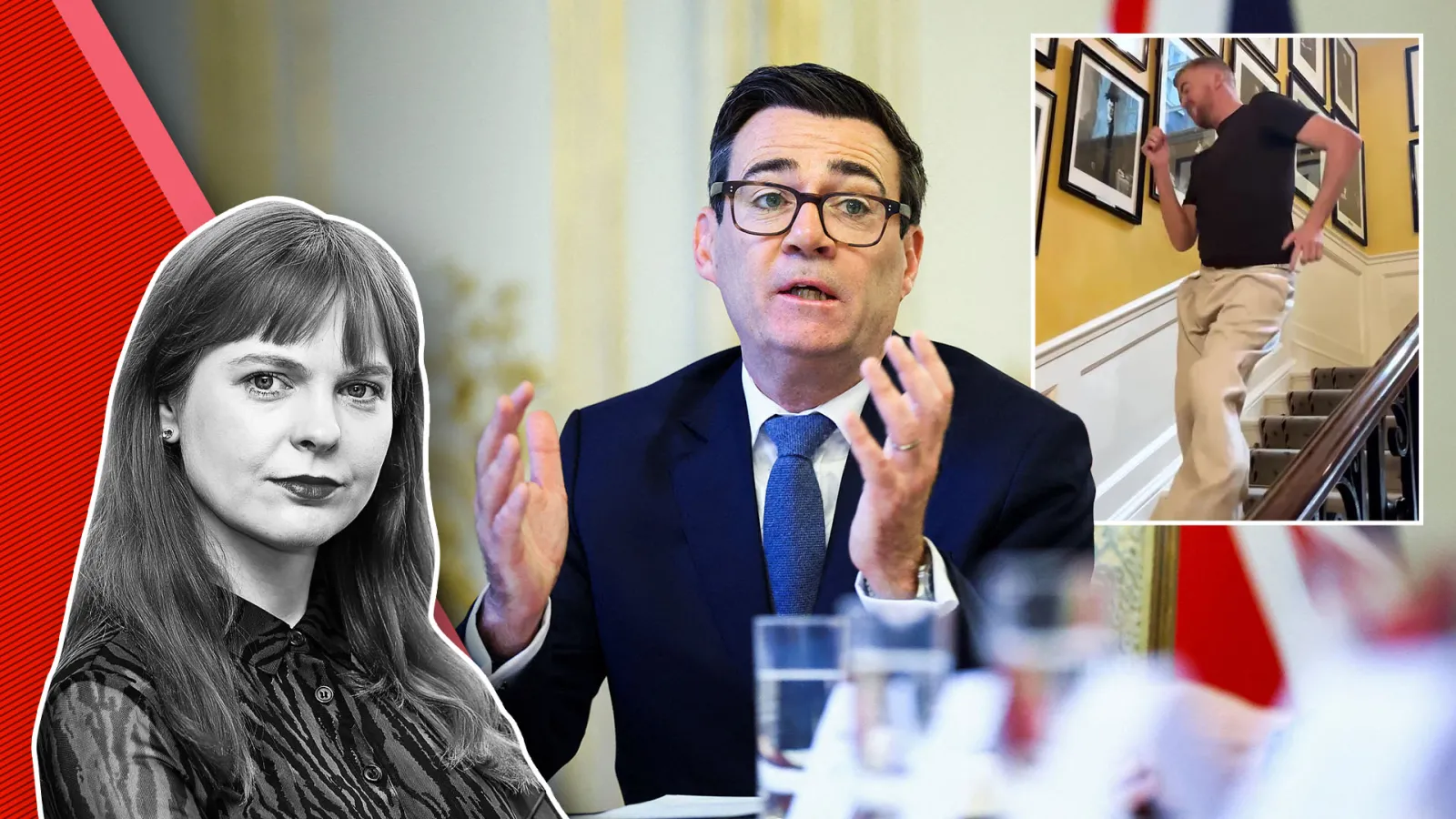
Prime Minister Andy Burnham often shoots from the hip on major political decisions while effectively muzzling his own ministers and keeping his colleagues in the dark. While he maintains a charming presence in the corridors of Parliament and shares casual moments with lawmakers, his approach to high-level governance leaves key questions unanswered. Citizens and politicians alike are left wondering where the government stands on crucial issues such as oil and gas drilling, welfare spending reductions, and potential plans to reverse Brexit.
Much like political aides who once constantly refreshed social media feeds to track US leadership, modern Labour ministers now find themselves forced to search the internet for rare interviews to understand the Prime Minister's intentions. This style of leadership resembles a freewheeling president swept to power by a personal landslide rather than a prime minister who arrived through a parliamentary shift and derives authority directly from the Labour MPs who installed him.
Background context on the British parliamentary system highlights the traditional reliance on collective cabinet responsibility, where senior ministers debate and shape policy before public unveiling. Prime ministers historically draw their parliamentary mandate from the party machine and elected backbenchers, making internal consultation a pillar of stability. When a leader departs from this established norm, tensions routinely emerge between executive centralisation and backbench accountability.
Understanding this executive shift requires looking at the changing nature of modern political communication, where leaders often bypass traditional bureaucratic channels to speak directly to the public through broadcast media and digital platforms. This direct line of communication can diminish the internal influence of cabinet ministers, turning traditional government departments into administrative executors rather than policy formulators.
What Labour Ministers Do Not Know About Major Policies
The secrecy surrounding the administration extends to vital legislative and economic strategies. Cabinet ministers, political advisers at No10, and voters have received no clear indication of whether the government officially backs continued oil and gas drilling. Similarly, the question of whether the welfare bill should actually come down remains completely unaddressed by official statements.
This lack of transparency creates an environment of uncertainty within government ranks. Ministers who are accustomed to collective responsibility find themselves excluded from foundational policy debates. Instead of participating in structured formulation, they must wait for public announcements to discover the direction of the country.
The absence of clear directives on energy extraction leaves departments responsible for industrial strategy and environmental regulation unable to plan long-term infrastructure projects with confidence. Industrial stakeholders and energy firms look to central government for regulatory signals, yet officials find themselves just as uninformed as external observers. This vacuum complicates investment decisions across the energy sector.
Welfare spending represents another critical domain where silence from the top creates administrative hurdles for civil servants. Departmental planners must anticipate budget allocations without knowing whether the administration intends to expand social support or implement austerity measures. Such ambiguity strains the machinery of state administration, which relies on predictable legislative agendas to draft effective statutory instruments.
The Controversy Over Rejoining the European Union
Nowhere is this unilateral approach more apparent than on the subject of Brexit. Andy Burnham has stated that the United Kingdom could potentially rejoin the European Union after the next election and has even suggested holding another in-out referendum. Privately, many of his Cabinet ministers feel a deep sense of unease at the prospect, remembering the intense parliamentary battles and national division of a decade ago.
Despite these serious concerns, the Prime Minister has reportedly sent a letter to his Cabinet explicitly ordering them not to state whether they want to stick to the idea of a referendum or not. While the administration treats its senior members with personal warmth and charm, actual policy direction remains strictly controlled from the top.
The debate over European integration remains one of the most polarizing topics in British politics, touching on trade arrangements, national sovereignty, and border controls. Reopening the question of membership or staging a secondary referendum carries immense political weight for businesses trading across the English Channel. Cabinet ministers fear that signaling an abrupt reversal without internal consensus will revive bitter societal divisions.
Enforcing strict message discipline through ministerial letters demonstrates an authoritarian administrative streak hidden beneath a polite exterior. Senior government figures find their public voice curtailed on an existential matter of foreign policy, illustrating the strict boundaries placed upon collective debate within the current parliamentary administration.
Why Labour MPs Refuse to Challenge the Prime Minister
Given the lack of consultation, questions naturally arise as to why Labour MPs do not openly challenge this dynamic. The primary reason is simple: public opinion ratings. Labour currently performs strongly in opinion polls, and lawmakers who were scarred by the difficult years under Keir Starmer are hesitant to disrupt a winning formula.
Many politicians felt ignored and vulnerable to losing their seats during previous years, making the approachable style of the current leadership a welcome relief. To them, strong poll numbers and a popular leader outweigh the discomfort of being excluded from policy decisions. However, critics argue that half a dozen roses and superficial charm do not replace the fundamental need for transparency, respect, and shared power within a governing party.
Backbench obedience in parliamentary systems is frequently tied to electoral survival, as MPs prioritize high approval ratings and collective success over internal party democracy. Memories of internal factionalism and electoral defeats under previous management encourage lawmakers to tolerate top-down control if it keeps the party electorally viable. This pragmatic submission prevents open rebellion despite widespread private dissatisfaction.
The contrast between personal approachability and systemic exclusion forms a distinct paradox for modern Labour backbenchers. While the Prime Minister maintains cordial interpersonal relationships within the parliamentary estate, policy formulation remains an isolated executive exercise. Lawmakers must weigh the benefits of a popular electoral vehicle against the erosion of parliamentary oversight and democratic participation.