Andy Burnham Faces New Downing Street Controversy
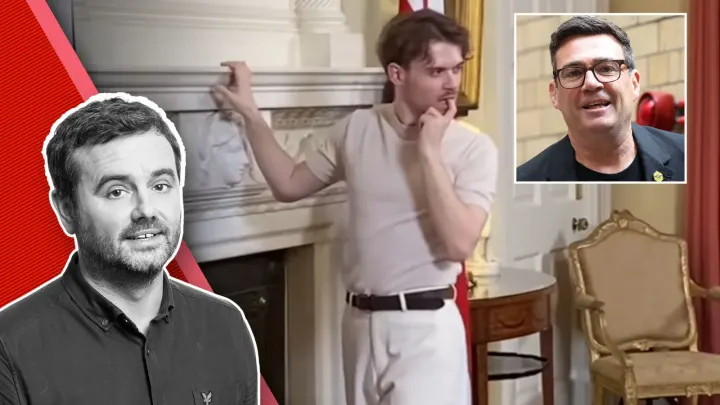
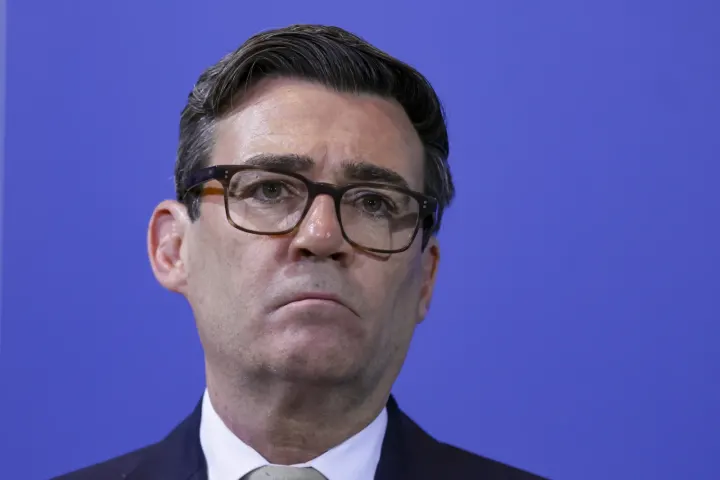
Prime Minister Andy Burnham is under fire yet again as another influencer video from outside No. 10 has surfaced with the lyrics \u201clow budget vagina\u201d. The Prime Minister has faced heat in recent days for \u201cdegrading\u201d Downing Street after hosting TikTok stars at the centre of the Government. This incident follows a series of similar events that have drawn sharp criticism from political opponents and members of the public alike regarding the use of official government property for social media promotion.
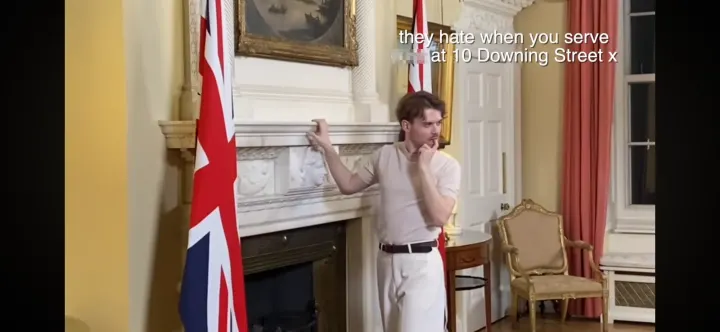
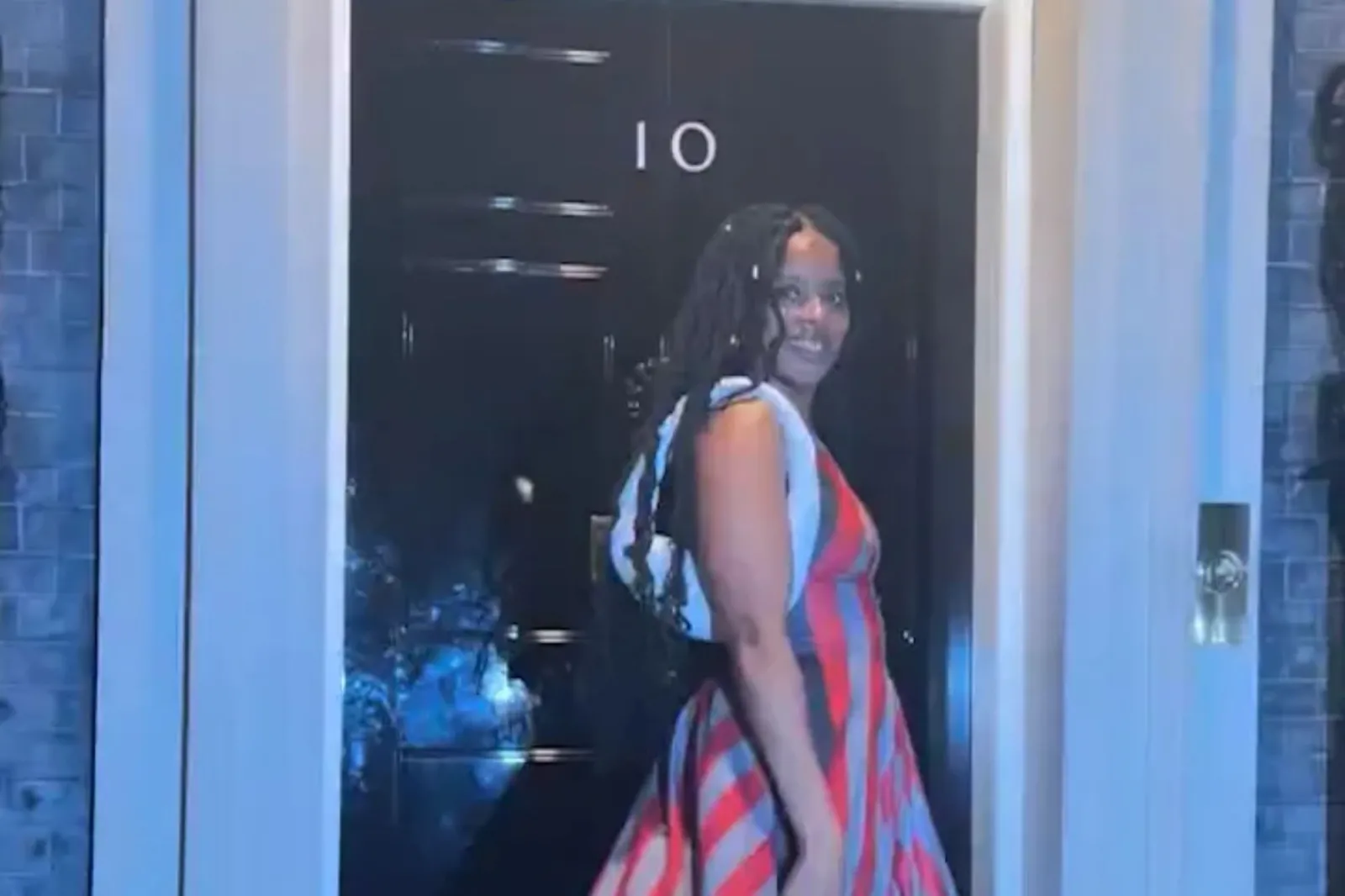
The most recent controversy has seen fashion influencer Felicia Pennant dancing outside the famous door to a remix of the phrase \u201clow budget vagina\u201d. The clip in question is taken from an explosive row on Real Housewives of London. Remixed into a song, Felicia could be seen twirling in front of the No. 10 doors to the lyrics. The star recognised the language used was offensive, but claimed she \u201ccouldn\u2019t resist\u201d the opportunity.
How the Downing Street Creator Event Unfolded
The controversy first came after Downing Street threw a bash for social media creators and encouraged them to make content from the event. Guests were treated to personalised letters from the PM and professional portraits outside the famous black door. This gathering was designed to open up channels of communication with younger audiences who rarely consume legacy print or broadcast media.
However, the strategy quickly backfired when attendees began publishing short-form videos that critics argue diminish the dignity of the historic office. TikToker Max Balegde came under fire after a similar video to Felicia\u2019s was filmed to the lyrics \u201cbomboclaat pussywagon\u201d. Bomboclaat is a Jamaican profanity referring to a menstrual cloth while pussy is a slang term for female genitals.
Public relations experts and political analysts note that events of this scale require careful planning and vetting of attendees. Opening the executive mansion to digital personalities without strict guidelines on content creation leaves the administration vulnerable to sudden PR crises. The blending of casual internet culture with the formal environment of government headquarters has sparked a wider debate about institutional respect.
Government communications teams traditionally rely on press conferences, official statements, and broadast interviews to convey policy. Inviting independent creators shifts the editorial control away from seasoned civil servants and places it directly into the hands of individuals whose primary goal is high engagement and viral reach.
Political Clash Between Andy Burnham and Kemi Badenoch
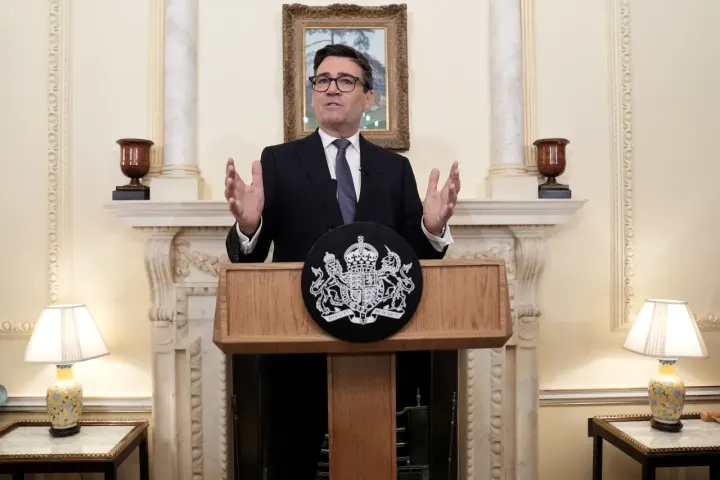
Mr Burnham and Tory leader Kemi Badenoch traded barbs over social media influencers being invited into Number 10, but wouldn\u2019t say sorry for their actions. Burnham called the video \u201cinappropriate\u201d but refused to apologise for \u201cengaging with people that young people themselves are looking to for their information\u201d. The Prime Minister told MPs that an inappropriate video was taken down, and the creator has rightly apologised, and she was right to call out that because it was not acceptable.
Opposition figures argue that opening the doors of executive power to internet personalities trivialises serious governance. They maintain that the residence of the head of government demands a level of decorum that is incompatible with viral dance trends and explicit song remixes.
The parliamentary exchange highlighted deep divisions over how modern leaders should communicate with the electorate. While opposition politicians demand strict adherence to traditional standards of behavior, administration defenders argue that ignoring digital spaces is no longer a viable option for a contemporary government.
Political debates of this nature often center on the perceived erosion of institutional norms. Critics warn that allowing casual social media stunts at the seat of power sets a dangerous precedent for future administrations.
Scrutiny Over Government Resources and Whitehall Rules
The latest clip raises fresh questions over the use of Government resources to produce social media content for influencers. No10 insisted taxpayers did not foot the bill for the special camera or its branding. Whitehall rules explicitly ban the use of public resources to build ministers\u2019 personal brands, saying that is a job for their political party instead.
Analysis by The Sun found Mr Burnham has filmed content with at least 30 influencers since becoming Prime Minister in July. This prolific output highlights a distinct strategy to bypass traditional journalistic gatekeepers and speak directly to digital natives. Yet, each new misstep by visiting creators puts pressure on civil servants to justify the administrative support provided during these visits.
Civil service guidelines are designed to maintain strict political impartiality and ensure that public funds are never diverted for partisan political gain. The heavy involvement of digital creators in official spaces blurs the line between public information campaigns and personal profile building for elected officials.
Auditors and parliamentary committees frequently examine how departments allocate their communication budgets. Any perception that government infrastructure is being used for content creation that benefits an individual politician rather than the public service can trigger formal investigations.
The Strategy Behind Engaging Digital Creators
The Prime Minister\u2019s spokesman yesterday said it was \u201cright that the PM listens to\u201d social media content creators who \u201creach millions of people who don\u2019t get their news from traditional media\u201d. Supporters of this outreach argue that modern democratic leadership requires meeting citizens where they consume information, particularly as television viewership and newspaper circulation decline among younger demographics.
Despite the backlash, administration officials maintain that the core message of engaging a disconnected electorate outweighs the occasional embarrassment caused by guests. As digital platforms continue to dominate public discourse, Downing Street faces the ongoing challenge of balancing modern communication techniques with the traditional expectations of state office.
Reaching younger voters remains a persistent challenge for political parties across the democratic world. Traditional broadcast outlets and newspapers struggle to maintain the attention of demographics that rely exclusively on algorithmic feeds and smartphone applications for daily updates.
Communication strategies will likely continue evolving as new platforms emerge and traditional media consumption habits decline further. Governments must decide whether the risks of influencer partnerships are offset by the ability to broadcast messages directly to citizens who ignore conventional news channels.