Andy Burnham Defends Influencer Engagement After Number 10 Controversy
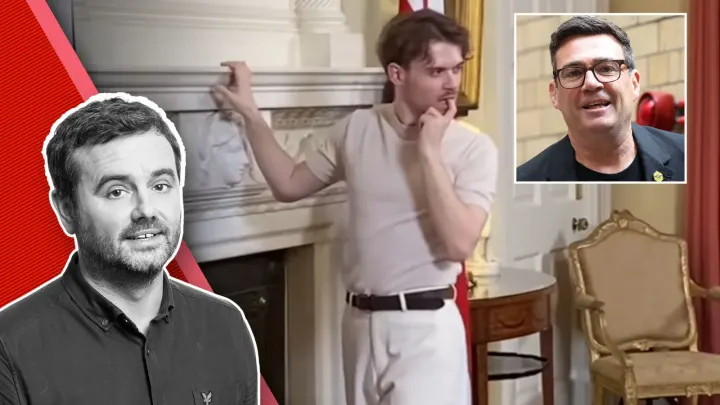
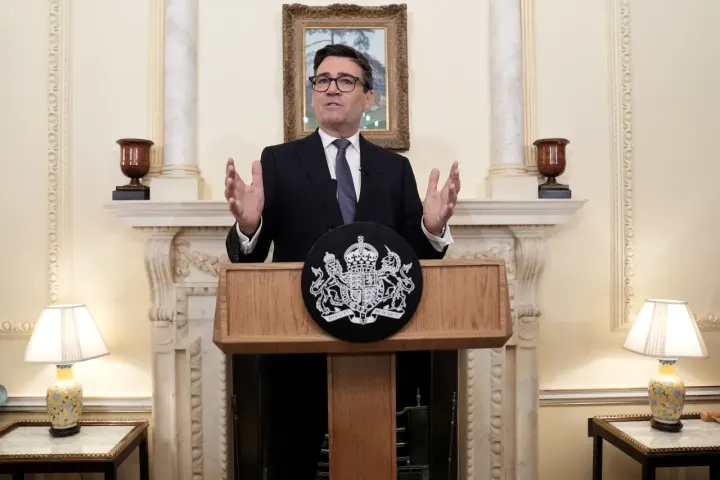
Andy Burnham has faced intense political scrutiny after embracing controversial TikTok star Max Balegde for a high-profile reception at Number 10 Downing Street. The event, which took place on November 9, brought dozens of social media personalities to the historic headquarters of the British government. However, the decision to invite Balegde triggered a fierce backlash following the emergence of crude videos filmed inside the building. Prime Minister Sir Keir Starmer had previously rejected the same influencer due to concerns over his online conduct, highlighting a stark divide in how political figures manage digital outreach.
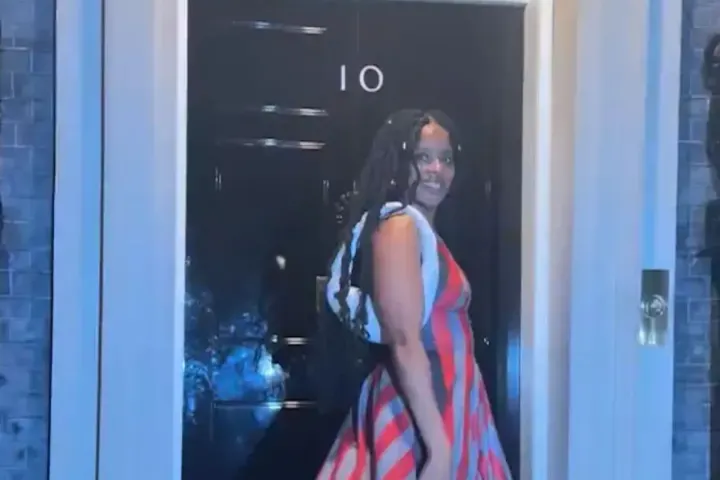
The controversy erupted after footage emerged showing Balegde miming crude lyrics outside the famous black door of Number 10. A separate clip revealed the influencer posing in the grand state rooms with a caption featuring explicit language. These posts sparked outrage in the House of Commons, where Conservative leader Kemi Badenoch branded the clips grotesque and accused the government of debasing the office of the Prime Minister. Downing Street ultimately disowned the videos, yet the revelations have exposed significant flaws in the vetting procedures used for official guests.
Why Sir Keir Starmer Previously Rejected Max Balegde
Long before the November reception, Max Balegde was considered for government collaboration but was quietly ruled out by Sir Keir Starmer's administration. Government sources confirmed that the prolific influencer was flagged as too risky for official partnerships because of his past content. While Sir Keir's team engaged with digital creators, their focus remained strictly tied to serious policy issues. A prominent example includes working with Love Island star Georgia Harrison to highlight the critical issue of violence against women and girls.
The stark contrast between these focused collaborations and the large-scale social media gathering organized under Mr Burnham has raised questions about changing standards within government communications. Whitehall guidance for working with contracted influencers explicitly recommends checking up to five pages of internet search results and a full year of social media posts. This rigorous screening is designed to catch potentially problematic content before any association occurs. It remains entirely unclear what specific vetting was carried out by Mr Burnham's team or whether they had direct knowledge of the prior rejection.
The Controversial Videos Filmed Inside Downing Street
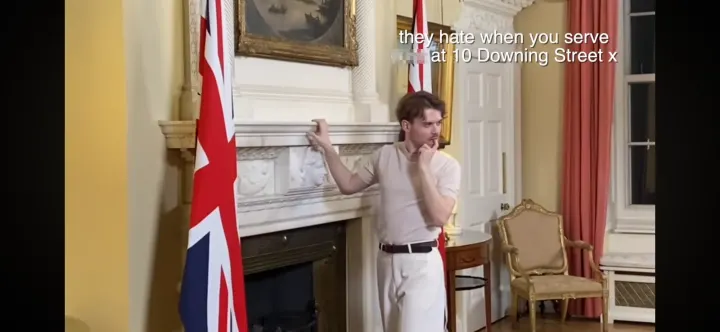
The backlash intensified when the public discovered the specific nature of the content Balegde produced during his visit. One widely circulated video showed the TikToker miming along to a viral song featuring offensive phrasing right outside the entrance of Number 10. Another uncovered clip displayed the influencer striking a pose between two Union Jacks inside the building. He captioned that particular post with a vulgar remark about serving c*** at 10 Downing Street.
This lighthearted treatment of the historic location drew sharp comparisons to formal state events. The rooms where the influencer filmed are the exact location where former Prime Minister Rishi Sunak welcomed Ukrainian President Volodymyr Zelensky in February 2023. During that visit, leaders discussed international security following the full-scale invasion by Russia. Reports also revealed that influencers attending the November reception were handed taxpayer-funded phones to film their experiences before receiving the recorded footage.
Political Clash in the House of Commons
The scandal quickly reached the floor of the House of Commons during a fiery exchange between political leaders. Kemi Badenoch launched a direct onslaught against the administration, criticizing the decision to grant access to controversial online personalities. She argued that the appearance degraded the dignity of the historic building and questioned the judgment of those who authorized the guest list. Prime Minister Sir Keir Starmer was forced to formally condemn the footage during the parliamentary session.
Defending the outreach strategy, Mr Burnham hit back at the criticism during the debate. He accused the opposition of sneering at influencers and the digital platforms that young people turn to for information. While acknowledging that the specific video was unacceptable, Mr Burnham insisted he would not apologize for engaging with modern media channels. When pressed on whether Balegde would face a permanent ban from the premises, Downing Street declined to rule out future visits, noting that Balegde claimed he was invited for tea.
Government Vetting Standards and Future Policy Challenges
The incident highlights a broader challenge facing political institutions as they attempt to connect with younger demographics through digital media. Traditional political communication relies heavily on formal press briefings and controlled interviews. In contrast, the creator economy thrives on authenticity, humor, and often edgy or provocative material. Bridging this gap requires strict adherence to vetting protocols to protect the reputation of state offices while attempting audience expansion.
As the fallout continues, watchdogs and political opponents are demanding greater transparency regarding how guest lists for government property are compiled. The lack of clarity surrounding the vetting process used by Mr Burnham's team leaves open questions about accountability. Observers will monitor whether future official guidelines for influencer engagement are tightened to prevent similar embarrassments. For now, the episode serves as a cautionary tale about the risks of mixing internet culture with the solemnity of government headquarters.