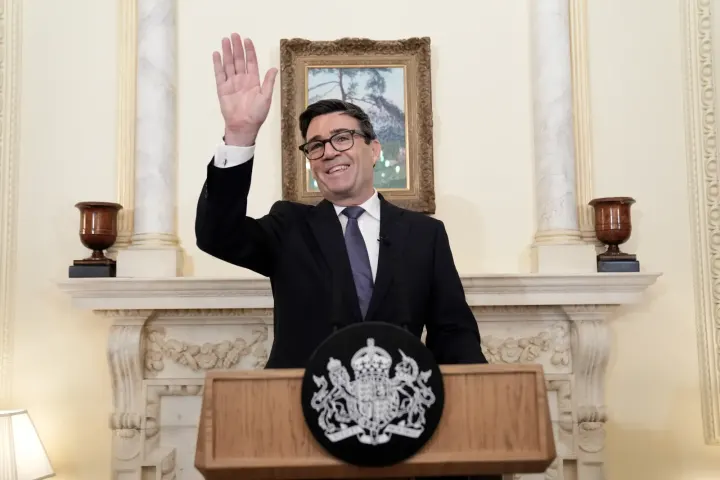
Prime Minister Andy Burnham allowed TikTok creators to film inside No 10, prompting criticism after a controversial clip was deleted and an Ipsos poll showed a third of Gen-Z still unsure about his leadership.
The incident highlights growing concerns over the UK government's use of social-media influencers to reach younger voters and raises questions about the political impact of such digital outreach.
What Happened at No 10?
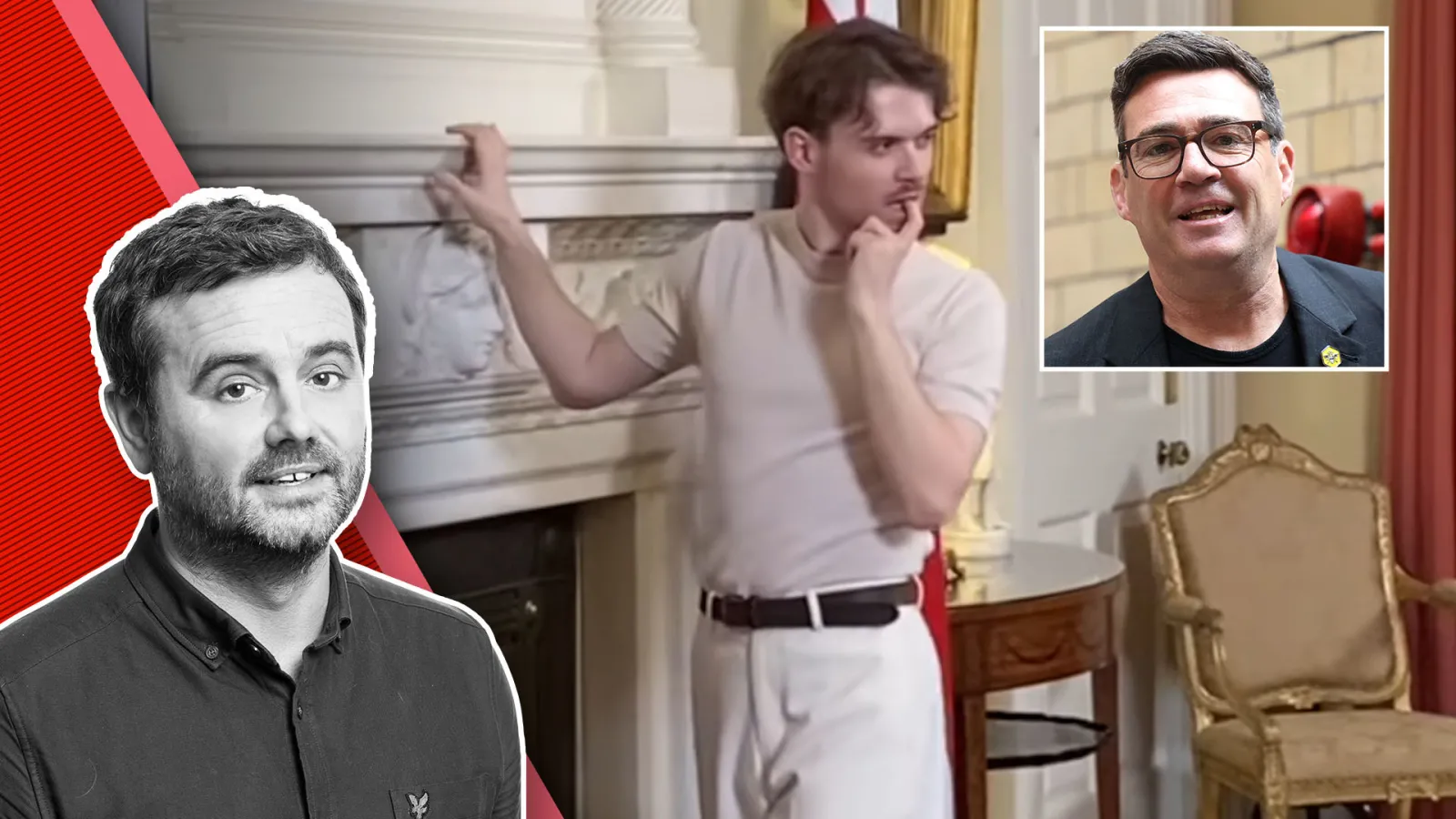
According to the article, Burnham offered his office as a backdrop for content creators to "camp it up and wiggle their bums, or recite songs about 'bomboclaat pussywagon chicken nuggets' at No 10." The Prime Minister's office later "hit the 'like' button on Max Balegde's now infamous 'pussywagon' ditty," but the content was subsequently deemed "clearly unacceptable."
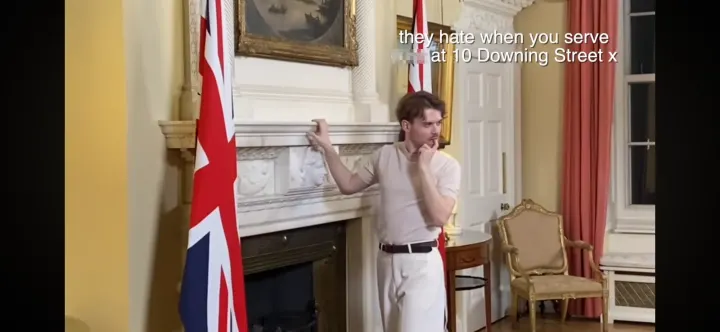
The creator of the clip, who describes himself on Instagram as a "presenter, podcaster, idiot," deleted the video. Hours later, a second message emerged from inside No 10's White Room, stating: "They hate when you serve c*** at 10 Downing Street x."
Why the Reaction Is Strong
Critics argue that the Prime Minister's focus on influencer-driven content is a distraction from pressing issues such as Russia's plans to develop a space-based nuclear arsenal. The article notes that Burnham has conducted "no less than 30 'interviews' with influencers in the last four months," including questions like "Are Oasis the greatest British band?" (LADbible, October) and "Would you agree that the NHS is pretty slay?" (TikTokker Maddy Lucy Dann).
Supporters on TikTok, such as podcaster Luke Hamnett, praised the effort, telling his 1.2 million followers that Burnham is doing a "really good job." However, the backlash suggests a growing divide between digital popularity and perceived governance competence.
How Influencers Are Engaged
The article reports that earlier this month No 10 hosted a special event for 60 influencers, featuring a "Glambot camera" to capture their self-promotion. Influencer Max Balegde boasts an audience of 3.6 million followers, illustrating the scale of reach the government hopes to tap.
Despite these large audiences, the piece questions whether the influencers wield real political influence, describing them as "echo-chamber chancers" who repeatedly churn out similar content to please algorithms.
What the Ipsos Poll Shows
An Ipsos poll conducted last month found that, after four months of Burnham's social-media saturation, one-third of Gen Z respondents said they had no idea how they felt about the Prime Minister, while 28 percent expressed unhappiness with him.
These figures suggest that the digital strategy may not be translating into clear political support among the youngest voters, a demographic the Labour Party plans to enfranchise at age 16.
Potential Implications for Policy and Politics
Analysts warn that relying on likes and shares does not guarantee substantive engagement with policy issues such as immigration, Brexit, or university loan reform. The article argues that "the majority of those likers will have forgotten every single word you said before their phone battery dies."
To win genuine youth support, the piece suggests Burnham should focus on tangible measures: addressing university loan debt, reducing inflation, and increasing disposable income for young people.
What Comes Next?
There is no official statement from Downing Street regarding the incident, and no immediate policy shift has been announced. Observers will watch for any changes in the Prime Minister's digital outreach strategy, especially as the Labour Party prepares to lower the voting age.
Future monitoring will include:
- Whether No 10 continues to host influencer events.
- Any formal guidance from the Cabinet Office on the use of public spaces for private content creation.
- Further polling on Gen Z attitudes toward Burnham's digital tactics.
Until then, the controversy serves as a reminder that political legitimacy still hinges on policy outcomes, not just social-media metrics.