Iraq Offers Saddam Hussein Luxury Jet for Sale at $900000
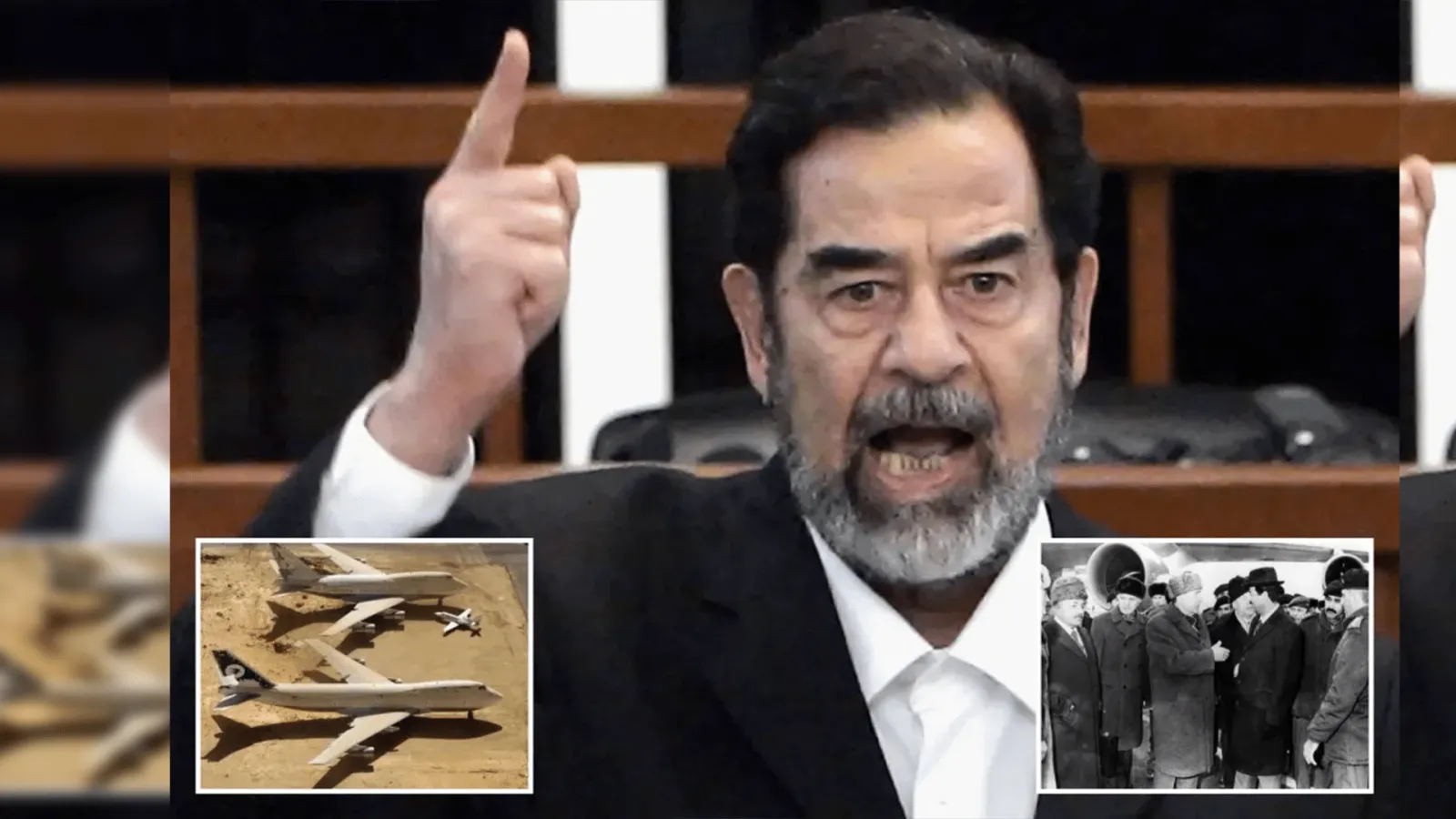
Saddam Hussein's former government jet, a Boeing 747SP, is up for sale at an estimated value of just $900,000 after sitting in the Tunisian desert for 35 years. State-owned Iraqi Airways announced the direct sale on November 18, offering the 747SP, which carries registration YI-ALM, along with a second jumbo jet, a Boeing 747-200 with registration YI-AGP. Both aircraft were built in 1982 and have been parked at Tozeur-Nefta International Airport in southwestern Tunisia since 1991, when Iraq flew them out to protect them from coalition air strikes during the Gulf War.
The state carrier is attempting to offload these long-abandoned aviation assets by opening direct sales to interested buyers worldwide. The 747SP served as a VIP government aircraft under Saddam, featuring special interior configurations tailored for high-ranking officials during an era of immense state wealth and centralized power in Iraq. Aviation enthusiasts, private collectors, and international brokers are now evaluating the feasibility of acquiring these historical relics, which carry a complex legacy tied to terms of the former regime.
Price Jumps 82 Percent Since 2023
Each jet carries an estimated value of $900,000, putting the pair at $1.8 million. That is 82% higher than in 2023, when Iraqi Airways tried to sell the same planes at $494,000 each but found no buyers. The 747SP, a shorter long-range version of the jumbo jet, served as a VIP government aircraft under Saddam. Buyers can bid for one plane or both.
The sudden increase in the asking price reflects updated asset evaluations by the airline rather than renewed market demand, given that the previous attempt at $494,000 per aircraft failed to attract any serious offers. Maintenance experts note that storing a commercial aircraft in an open desert environment for over three decades causes severe environmental degradation, meaning that any prospective buyer faces massive logistical and financial hurdles just to make the airframes structurally sound, let alone airworthy.
Inflation, currency shifts, and changing government valuation metrics often influence how state airlines price long-held assets. However, the lack of interest during the previous tender suggests that the price tag remains a secondary concern compared to the sheer cost of moving or repairing the planes. Potential buyers must weigh the historical novelty against the immense capital required to take physical possession of the airframes.
What Buyers Must Pay and Financial Terms
According to the Iraqi Airways sale notice, the planes will be sold as they stand, without any technical warranties. Serious bidders must put down a 20% deposit ($180,000 per jet), pay a 2% service fee, and clear the full amount within five days of their offer being accepted. The buyer will also cover ownership transfer, customs clearance, transport, taxes, and parking charges after handover.
These strict financial terms shift all future liabilities and operational expenses entirely onto the purchaser. Because the aircraft have accumulated decades of unpaid or ongoing parking fees at Tozeur-Nefta International Airport, clearing these local administrative debts in Tunisia will form a substantial part of the total cost for whoever completes the purchase.
Such stringent payment conditions mean that casual bidders are effectively filtered out early in the process. The requirement for a rapid five-day settlement after acceptance demands high liquidity from any private collector or corporate entity attempting the transaction.
How the Iraqi Airways Sale Will Work
Preliminary applications are open for 30 days via email or WhatsApp. A sales committee will then sit at the Iraqi Embassy in Tunis from December 21, 2026, to January 5, 2027, to receive offers and finalize the sale. Any deal needs final approval from Iraq's transport minister. Closer to home, PIA has previously put six Airbus A320 aircraft up for auction and auctioned off an ATR aircraft.
The procedural timeline gives prospective buyers a specific window to register their interest through modern communication channels before physical negotiations begin abroad. The requirement for ministerial sign-off ensures that the Iraqi government retains absolute control over the final disposal of these high-profile state assets.
International brokers handling the communication phase must coordinate closely with diplomatic channels to ensure all applications comply with Tunisian regulations. The physical meetings at the embassy in Tunis provide a controlled environment for reviewing binding bids and verifying financial credentials.
History of the Boeing 747SP in Iraq
The Boeing 747SP, where SP stands for Special Performance, was designed to fly longer distances at higher speeds than standard Boeing 747 models by shortening the fuselage and increasing fuel capacity. Iraqi Airways acquired these widebody aircraft during the 1980s to project national prestige on international routes and provide luxurious long-haul transport for government delegations. During the 1991 Gulf War, as United States-led coalition forces prepared air campaigns against Iraqi military and strategic infrastructure, the leadership ordered several valuable civilian and government aircraft flown out of the country to neutral or friendly territories.
Tunisia agreed to host these specific jumbo jets at Tozeur-Nefta International Airport, where they expected a temporary stay. Instead, sweeping international sanctions, ongoing conflicts, and complex diplomatic disputes between Baghdad and Tunis left the planes stranded in the desert indefinitely. Over the decades, ownership disputes between Iraq and various international entities further complicated any potential repatriation or sale of the airframes.
The preservation of these jets inside a foreign hangar or open tarmac represents a physical archive of a bygone political era. While standard commercial airliners of that generation have mostly been retired or scrapped, presidential configurations retain unique historical artifacts within their cabins.
Logistical Challenges of Recovering Desert Aircraft
Extracting a Boeing jumbo jet from a remote desert tarmac after 35 years of neglect is an extraordinary engineering challenge. Aircraft parked in arid climates suffer from severe sun damage, sand infiltration into engines and avionics, rubber degradation, and corrosion caused by fluctuating desert temperatures. Even if a buyer intends to scrap the aircraft for valuable metals and rare interior fittings, dismantling a 747 requires specialized heavy machinery, skilled technicians, and clearance from Tunisian aviation authorities.
If a buyer wishes to restore either aircraft to a flyable condition, the process requires an FAA-certified or EASA-certified maintenance facility, complete overhaul of the engines, replacement of all wiring and hydraulic seals, and a ferry flight permit. Most aviation analysts consider a return to flight highly improbable due to the astronomical costs involved, making museum preservation or scrapping the most likely outcomes for both the 747SP and the 747-200.
Transporting massive aircraft components away from Tozeur-Nefta International Airport requires coordination with local transport ministries and heavy-haul road operators. Navigating these multi-jurisdictional hurdles adds layers of expense that far exceed the initial purchase price set by Iraqi Airways.