Islamabad Women Bazar Demolished for Major Road Project
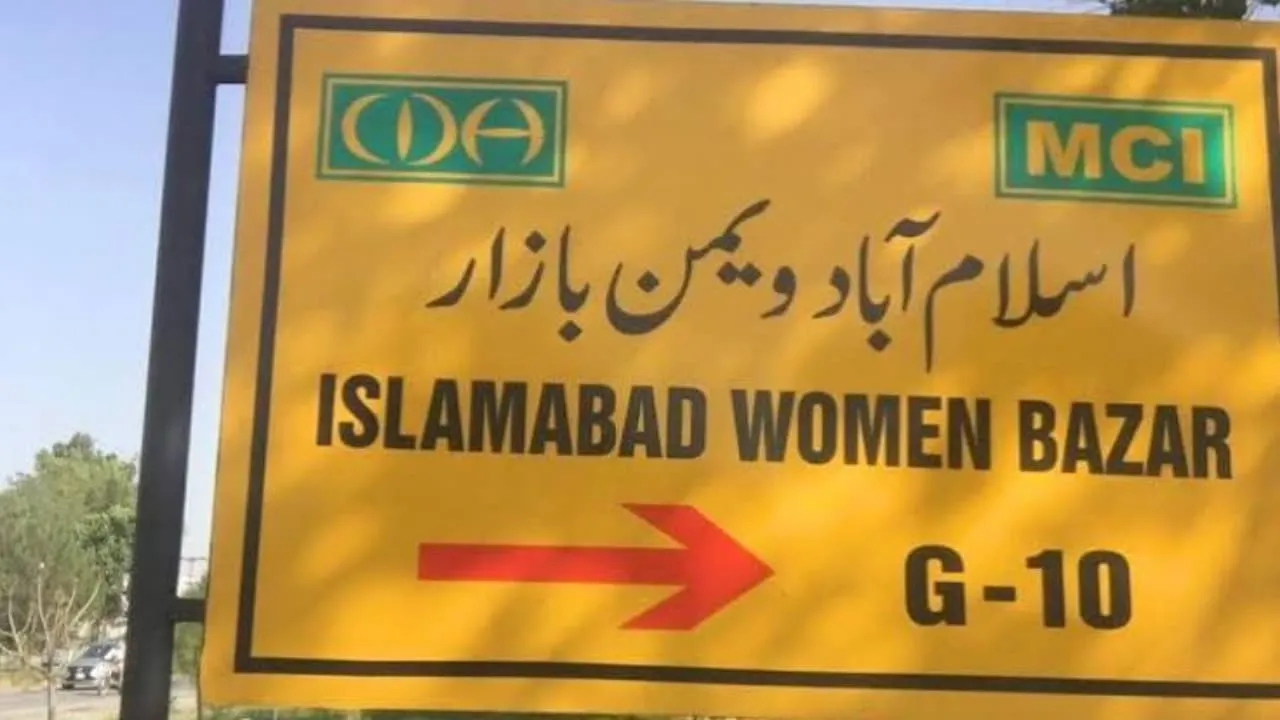
The Metropolitan Corporation Islamabad has removed the temporary G-10 Women's Bazaar, established on a green belt along the route of the Eleventh Avenue project, to clear obstacles to the major road development scheme. The action marks a definitive end to a commercial space that struggled with functionality since its inception. Municipal authorities moved forward with the clearance to facilitate the construction of Eleventh Avenue, ensure the implementation of Islamabad's master plan, and improve traffic flow in the federal capital.
The municipal authority issued an official notification on Wednesday cancelling the market, which had remained largely abandoned for more than five years despite being established to provide business opportunities to women. City planners and municipal administrators determined that the physical structures conflicted directly with urban transport blueprints. The removal is considered necessary to facilitate construction of Eleventh Avenue, ensure implementation of Islamabad's master plan and improve traffic flow in the federal capital.
Origins of the G-10 Women Bazar Project
The women's market was announced in September 2021 during the Pakistan Tehreek-e-Insaf government's tenure by then Interior Minister Sheikh Rashid Ahmed. The administration at the time promoted the commercial hub as a step toward female economic empowerment in the urban center. Its construction was completed in February 2022 by the MCI's Sports Directorate at an estimated cost of Rs. 70 million to Rs. 70.8 million. Municipal engineers oversaw the physical establishment of stalls and basic facilities intended to host female vendors.
The project was originally intended to empower women by providing them with dedicated commercial spaces to establish businesses and sell their products. Planners envisioned a bustling hub where female entrepreneurs could operate without traditional market pressures. However, the location presented logistical challenges from the beginning, as it sat upon municipal land designated for future public transit and roadway expansion.
Why the Islamabad Women Market Failed to Function
Despite the financial investment and official backing, the commercial center faced immediate operational hurdles upon completion. However, the market reportedly remained largely non-functional and was operational for only one day. Vendors and prospective business owners expressed hesitation about committing to a site with uncertain long-term prospects. Despite the passage of more than five years, it failed to attract sustained participation from women vendors and customers and never became a fully operational commercial centre.
Administrative neglect and poor accessibility contributed to the swift decline of the retail space after its brief opening. Shoppers found the location inconvenient, and public transport links to the site remained underdeveloped. Without a steady flow of foot traffic, the vendors who initially registered for stalls abandoned the premises. The site quickly fell into disrepair, becoming an underutilized patch of urban infrastructure.
The Route Conflict with Eleventh Avenue
The primary physical barrier to the market's survival was its exact geographical placement relative to municipal engineering plans. A major planning issue was that the market had been constructed directly over the proposed right-of-way of Eleventh Avenue, the planned road infrastructure project. Its location consequently became an obstacle to the implementation of the development scheme. Civil engineers pointed out that no permanent commercial enterprise could coexist with a major multi-lane urban arterial road.
Municipal authorities had to weigh the sunk costs of the retail sheds against the pressing need for urban connectivity. The market's removal is now expected to help clear the designated construction area and facilitate progress on Eleventh Avenue. Heavy machinery moved onto the green belt to clear the debris and level the earth for upcoming roadwork.
Urban Master Planning in Islamabad
The capital city operates under a strict master plan originally drafted by foreign experts in the nineteen sixties. This master plan designates specific zones for residential areas, commercial centers, industrial sectors, and green belts. Deviations from these designations frequently lead to administrative friction and costly remediation efforts by municipal agencies. The placement of the retail hub on a designated transport corridor represented a significant oversight by past planning committees.
Modernizing the road network requires strict adherence to designated rights-of-way to prevent traffic bottlenecks. Eleventh Avenue is designed to connect major arterial roads, easing the heavy burden on existing thoroughfares like the Islamabad Highway and Srinagar Highway. Clearing obstacles along this route remains a top priority for municipal corporations seeking to modernize transit infrastructure.
Impact on Local Infrastructure and Traffic Flow
Traffic congestion has steadily worsened in the federal capital as vehicle registrations increase year over year. Commuters traveling between different sectors often face severe delays during peak morning and evening hours. The completion of Eleventh Avenue aims to redistribute vehicular traffic more evenly across the western sectors of the city. Removing unauthorized or conflicting structures along the path is a mandatory prerequisite for laying asphalt and building intersections.
Local businesses and residents living near the G-10 sector have observed the dismantling of the structures with mixed reactions. While some lament the loss of a designated space for female entrepreneurs, others welcome the resumption of long-delayed road construction. Improved connectivity is expected to raise property accessibility and reduce travel times for thousands of daily motorists.
What Next for Urban Development in the Capital
Municipal authorities have indicated that focus will now shift entirely to clearing the remaining hurdles along the avenue alignment. Engineering teams will survey the cleared land to begin earthworks and drainage installations for the roadway. Officials have not yet announced alternative locations specifically dedicated to women-only bazaars, leaving the future of that particular empowerment initiative uncertain. Observers of municipal affairs will monitor how the administration handles compensation or alternative allocations for vendors who lost out when the project stalled.
The demolition serves as a cautionary tale regarding inter-departmental coordination in municipal project execution. Ensuring that sports directorates and road engineering departments communicate effectively prevents the waste of public funds on overlapping land uses. Taxpayers and civic groups continue to call for greater transparency and rigorous feasibility studies before new public works receive funding approvals.