Economic Coordination Committee Approves Rs380 Billion Supplementary Grants
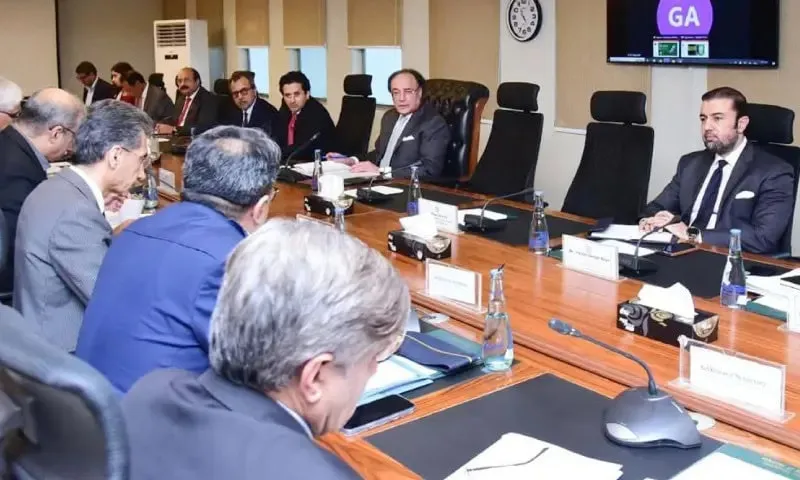
The Economic Coordination Committee of the Cabinet approved supplementary grants worth around Rs380 billion during a meeting chaired by Finance Minister Muhammad Aurangzeb on Wednesday. The high-level session reviewed several proposals covering water infrastructure, national security, energy, and trade. These measures address critical funding gaps across multiple public sectors, ensuring that major national initiatives continue without interruption. The decisions reflect ongoing fiscal adjustments by the federal administration to meet pressing infrastructural and operational demands.
The approved package contains major allocations for water resource development and defense requirements. It also addresses regional energy supplies, trade regulations regarding specific electronic devices, and petroleum exploration rules. Officials reviewed the financial positions of ongoing ventures to determine immediate resource allocation. The meeting underscored the administration's priority to sustain key public works despite broader budgetary pressures.
Rs275 Billion Allocated for Five Water Projects
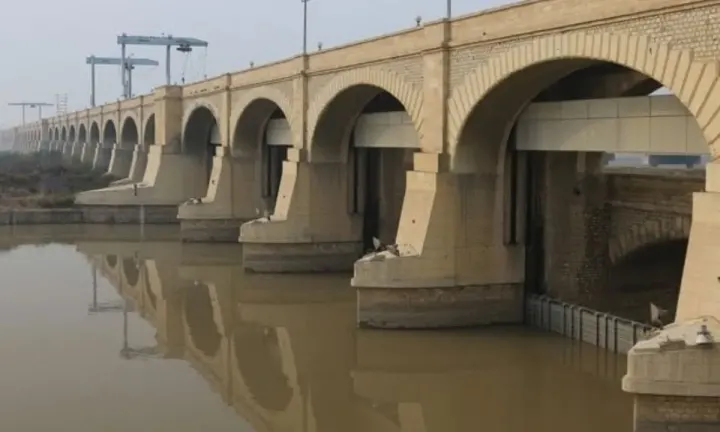
The committee approved Rs275 billion for five major water projects under the Ministry of Water Resources. These projects faced financial constraints during implementation, threatening their construction timelines. The funding will cover the Diamer-Bhasha Dam, Mohmand Dam, Greater Karachi Water Supply (K-IV), Chashma Right Bank Canal, and Kacchi Canal. These large-scale works form the backbone of the country's future water storage and urban supply network.
The funds will be released gradually according to Wapda requirements, with payments following the authority project implementation plan. The government had previously allocated around Rs103 billion for these projects in the 2026-27 budget. However, Wapda raised concerns that the amount was insufficient to maintain progress on the ground. Wapda Chairman Muhammad Saeed informed a parliamentary panel about the funding shortage, stating that the prime minister and Finance Ministry had approved his requests for additional funds. In June, the federal government secured around Rs1.035 trillion from the four provinces outside the National Finance Commission framework to support strategic national needs.
Nearly Rs84 Billion Approved for Defense Needs
The committee approved three supplementary grant proposals submitted by the Defense Division. These included Rs54 billion for three Defence Services project requirements. The allocation includes more than Rs31 billion for the Special Security Divisions of North and South. Another Rs11.88 billion will support Pakistan Navy projects. The remaining Rs10 billion will cover internal security duties and allowances.
The committee also approved Rs1.094 billion for the induction of a Lineage L-1000 executive aircraft into the army fleet. Additionally, it allocated Rs29.139 billion for Project Istaqlal. According to the official statement, these approvals will meet essential operational needs and support national security priorities. Separately, the ECC approved Rs3.71 billion for Frontier Corps Balochistan (North) to cover helicopter maintenance requirements following a request from the Narcotics Control Division.
Smart Glasses Import Restrictions and Workplace Rules
On a proposal from the Commerce Division, the committee approved restrictions on importing camera-enabled smart glasses. The rapid proliferation of wearable recording devices has prompted regulatory concerns regarding privacy and security in sensitive areas. The government seeks to curb unregulated commercial inflows of these high-tech gadgets.
Alongside the import restrictions, the committee recommended that provincial governments and the Islamabad Capital Territory introduce workplace rules. These regulations will govern the use of such devices in professional settings. Employers and administrative bodies will need to establish clear protocols for wearable technology within offices and public institutions.
Petroleum Rights, Village Gasification, and Fertilizer Supplies
The committee approved relaxations in the applicable Exploration and Production Rules to support the energy sector. The decision will allow the extension and renewal of 89 petroleum rights, subject to prescribed conditions. The committee also approved Rs1 billion for village gasification during FY27. The funding will cover villages located within a five-kilometre radius of gas production fields.
The initiative aims to expand gas infrastructure and improve natural gas access for local populations. It will particularly benefit communities located near existing production fields, ensuring they share the direct advantages of local resource extraction. The committee also approved the transfer of Rs15.625 billion to the Prime Minister's Austerity Fund 2026. The amount comes from savings generated through government austerity and fuel conservation measures, reflecting a continued focus on fiscal discipline.
Finally, the committee allowed continued gas supplies to Fatima and Agritech fertilizer plants until December 31. However, the arrangement remains subject to gas availability in the national pipeline network. This temporary extension helps maintain domestic fertilizer production levels for the upcoming agricultural seasons, supporting farming communities across Punjab.