Dutch Court Orders Jaguar Land Rover to Destroy Seized BYD Documents
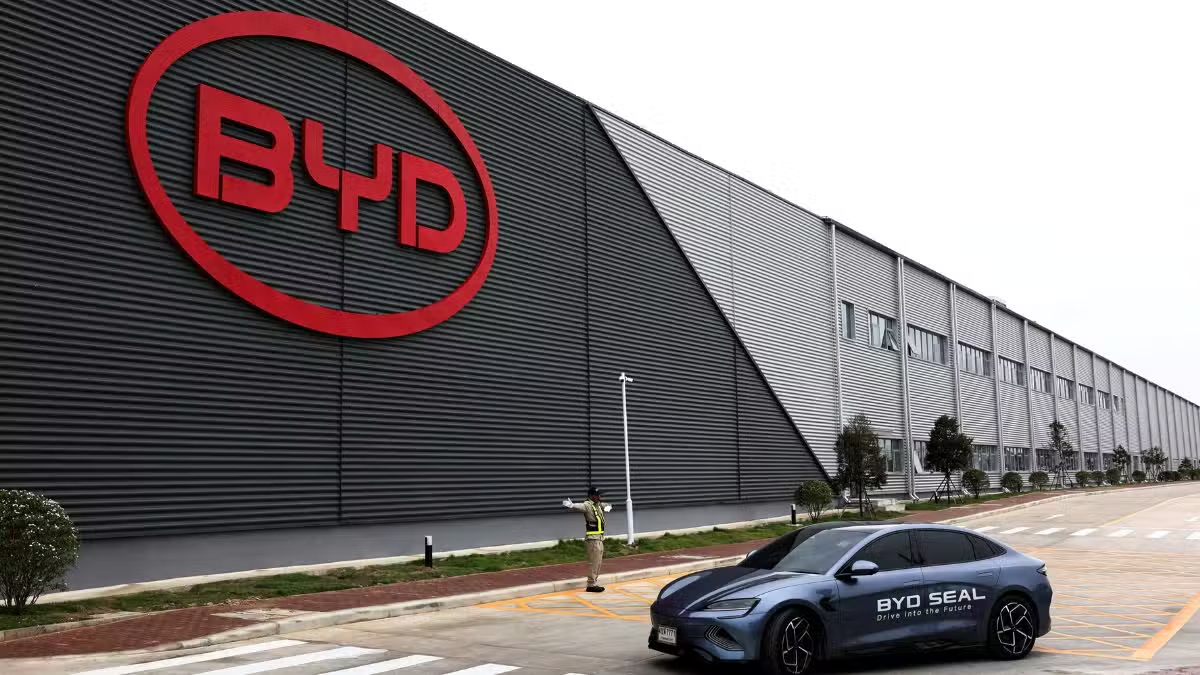
A Dutch court has delivered a major procedural setback to Jaguar Land Rover in its ongoing intellectual property dispute with Chinese automaker BYD regarding the design of a sport utility vehicle. Judge H.F.R. van Heemstra issued a ruling at the District Court of The Hague on November 11, ordering Jaguar Land Rover to destroy all documents it previously seized from BYD offices. Failure to comply with the order within the stipulated timeframe will trigger severe financial penalties reaching up to €50,000 per hour, capped at a maximum of €500,000.
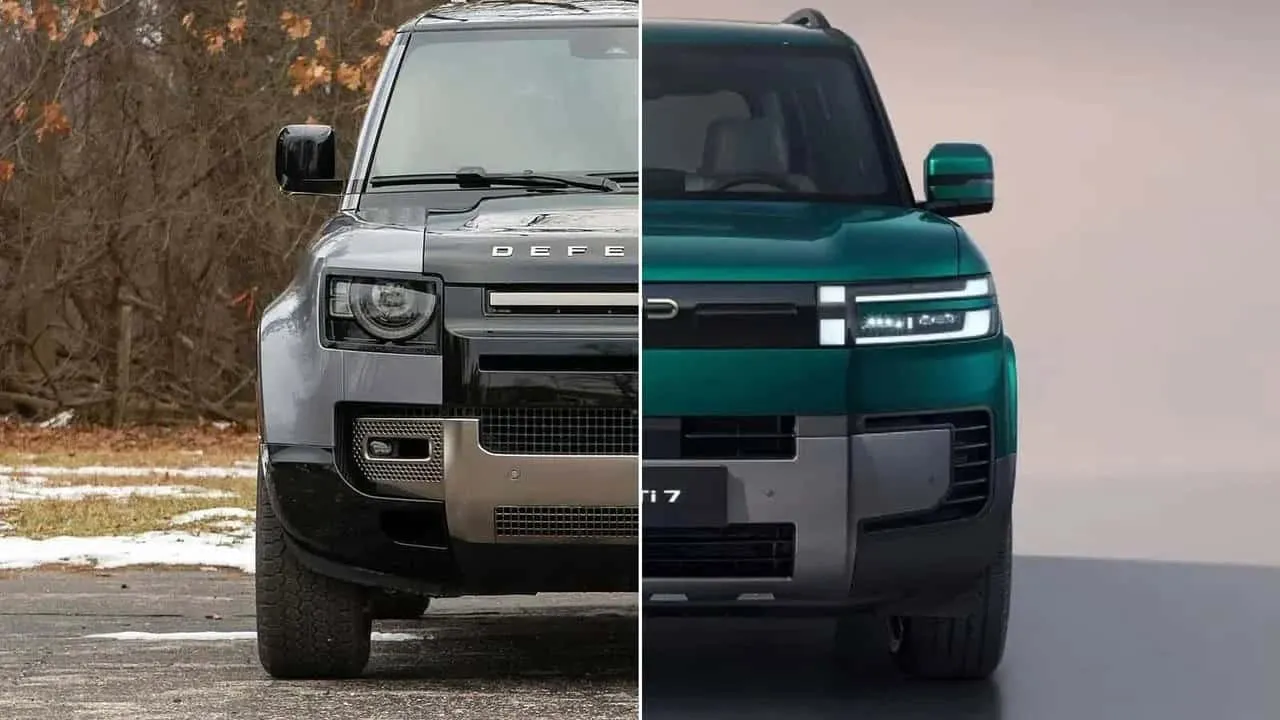
The legal confrontation centers on the BYD Ti7, a vehicle marketed in China under the Fang Cheng Bao brand. Jaguar Land Rover alleges that the Ti7 replicates the exterior design of the Defender L663 and claims that BYD engaged in reverse-engineering of the original vehicle. While the dispute involves complex questions of intellectual property protection, the immediate focus of the Dutch court proceeding was the legality and necessity of the physical raids conducted by bailiffs earlier in the legal process.
How the Legal Conflict Between Jaguar Land Rover and BYD Began
In August 2026, Jaguar Land Rover successfully obtained judicial permission to execute a raid on BYD offices located in the Netherlands. During this operation, bailiffs seized a wide array of internal documents. The confiscated material included launch plans, financial forecasts, supplier contracts, three-dimensional CAD files, and any records related to the Defender model. However, the court later determined that Jaguar Land Rover did not actually require those specific files to advance its design infringement case.
Furthermore, the court ruled that financial damages could not be calculated at this stage because BYD has not sold the Ti7 anywhere within the European Union. As a result of these findings, the court ordered Jaguar Land Rover to instruct bailiffs to destroy all seized materials within 24 hours of receiving formal notice. The court also rejected a separate claim by Jaguar Land Rover seeking €500,000 in penalties from BYD. Additionally, Jaguar Land Rover must pay approximately €25,376 toward BYD legal costs within 14 days.
Understanding the Stakes for the Defender and the BYD Ti7
The financial and strategic stakes for both automotive companies are exceptionally high. The Defender stands as the best-selling vehicle for Jaguar Land Rover, with over 115,000 units delivered to customers globally last year. That delivery volume accounts for roughly three out of every ten sales recorded by Jaguar Land Rover. Meanwhile, the competing BYD Ti7 targets the exact same market segment but offers a significantly lower price point, creating intense competitive pressure in the international automotive landscape.
BYD confirmed a single United Kingdom specification for the vehicle, known as the seven-seat Excellence AWD, priced at £47,995. By comparison, the seven-seat Defender 110 starts at £68,465 in the United Kingdom, while the plug-in hybrid variant commands a price close to £72,000. Under the hood, the Ti7 uses three electric motors paired with a 1.5-liter turbocharged engine. This powertrain combination generates 408 PS, enabling the SUV to accelerate from 0 to 62 mph in 4.8 seconds while delivering up to 74 miles of electric-only range. Customer deliveries in the United Kingdom are scheduled to begin in January 2027.
Broader Legal Context and Earlier Battles Over Car Design
This recent ruling represents a procedural hurdle rather than a definitive final decision on the core issue of design copying. The court explicitly did not determine whether the BYD Ti7 actually infringes upon the legal design rights of the Defender. Instead, Jaguar Land Rover continues to pursue separate legal proceedings in The Hague focusing on European Union design rights, alongside a separate case in Rotterdam addressing copyright infringement and what Dutch law defines as slavish imitation. Both of those underlying cases remain completely unresolved.
Jaguar Land Rover has a history of fighting design battles against Chinese automakers. In 2019, the company secured a victory in China against Jiangling Motor over the Landwind X7, which bore a striking resemblance to the Range Rover Evoque. However, the company experienced setbacks when it lost separate legal attempts to register the distinctive shape of the Evoque as a trademark within the European Union, as well as attempts to protect the classic Defender silhouette as a trademark in the United Kingdom. Legal analysts note that those past administrative failures could potentially complicate its ongoing claims in Europe.
The Response From Jaguar Land Rover and Industry Implications
Automotive industry observers point out that while traditional car manufacturers have frequently accused Chinese competitors of replicating established vehicle designs, very few of those grievances are ever tested formally in a court of law. European carmakers rarely initiate formal design-rights infringement lawsuits against overseas rivals. As the legal battle unfolds, the dispute continues to play out across two separate Dutch courts while BYD prepares to introduce the Ti7 to European consumers.
JLR said in a statement: "We protect our intellectual property and take legal action when necessary. Legal proceedings are ongoing and we won't be commenting further at this time."
As the legal teams prepare for the next phases of litigation in The Hague and Rotterdam, attention turns to how European courts will interpret design rights for modern electric and hybrid SUVs. The outcome of these unresolved cases could establish important legal precedents for how traditional manufacturers protect their vehicle styling against fast-growing global competitors.