TikTok Launches AI Content Detection and Safety Tools
TikTok launched an AI transparency tool that lets anyone check if a video or image was made using its AI features. The platform also introduced creator likeness detection and a major redesign of its parental controls. All three updates arrived at TikTok's third Safety and Innovation Summit last week. These rollouts address growing concerns regarding synthetic media, digital safety for minors, and the unauthorized use of personal identities across social media networks.
The rapid advancement of artificial intelligence creation software has made it simple for users to generate realistic videos and images. While these tools offer creative avenues for expression, they also create challenges regarding authenticity and misinformation. Platforms face mounting pressure from regulators and users to establish clear boundaries. TikTok designed these updates to provide transparency and protect users from deceptive media.
How the TikTok AI Content Detection Tool Works
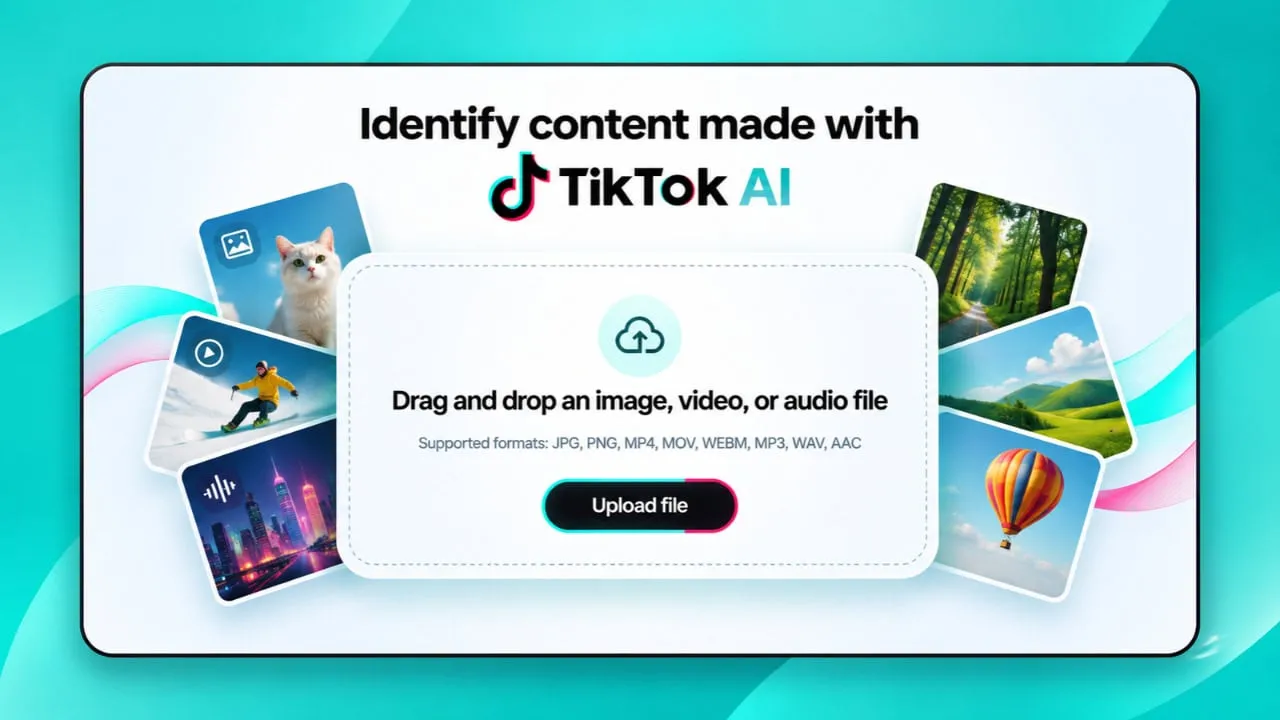
The AI content detection tool works through TikTok's Transparency Center. Users can upload any image or video to check for signs of TikTok's digital watermarking. As a result, they can verify whether the content came from TikTok's AI creation tools. The feature works even for people who do not have a TikTok account. This could help reduce the spread of AI-generated misinformation across the platform.
Digital watermarking embeds invisible metadata into files generated by software. When an image or video runs through the verification portal, the system reads this metadata. By providing public access without requiring an account, the platform makes verification straightforward for journalists, researchers, and ordinary viewers. Anyone questioning the origin of a piece of media can check it directly through the web browser interface.
Protecting Creators From AI Deepfakes and Likeness Abuse
For creators, TikTok introduced a likeness detection feature. Creators can verify their identity through a trusted third-party partner. Once verified, the system scans incoming uploads and flags content that includes their likeness. Creators can then report flagged content directly to TikTok's safety teams. The platform will remove any content that violates its rules against harmful or nonconsensual depictions of private individuals. This tool targets the growing problem of AI-generated deepfakes that use real people's faces without permission.
Unauthorized digital replicas present serious risks for public figures and everyday internet users alike. Deepfakes can damage reputations or misrepresent individuals in scenarios they never experienced. By offering a formal verification and flagging mechanism, the platform gives content creators direct control over how their visual identity appears online. The collaboration with external identity verification services ensures secure confirmation of a user's real-world identity before activation.
Redesigned Family Pairing and Parental Control Updates
The biggest changes affect parents. TikTok redesigned its Family Pairing feature with more visibility into how teens use the app. Parents can now watch a sample of content from verified creators their teen follows. According to TikTok, more than 80% of parents it surveyed said they wanted this kind of feature. Additionally, the platform made screen time data more prominent within Family Pairing. Parents can now see exactly when during the day their teen is most active.
Family Pairing connects a parent or guardian account with a teen account to establish digital boundaries. The addition of content sampling allows adults to understand the specific type of material their children consume daily. Knowing peak activity times helps guardians initiate meaningful discussions regarding digital habits and offline balance. These additions arrive as families navigate the complexities of growing up in a hyper-connected digital environment.
New Safety Alerts for Self-Harm Searches
TikTok also announced a new alert system for self-harm searches. Working with leading experts, the platform will notify parents if their teen repeatedly searches for known terms related to self-harm. The notification will include expert-backed guidance on how to start a conversation. This feature addresses one of the most serious concerns parents and regulators have raised about the platform's impact on young users.
Mental health advocates and medical professionals have long emphasized the need for early intervention regarding adolescent distress. By alerting families when concerning search patterns emerge, the platform bridges the gap between digital monitoring and real-world support. The inclusion of professional guidance helps parents approach sensitive topics constructively. This system prioritizes user safety by connecting families with expert advice during vulnerable moments.
Educational Resources and Broader Industry Context
Finally, TikTok released an Educator's Guide. It provides teachers with resources to help teens develop mindful social media habits. The guide arrives as multiple countries consider or implement teen social media bans, including Australia's recently proposed legislation.
Educators play a vital role in shaping how young people interact with digital technology inside and outside the classroom. The new guide supplies structured materials for school environments, helping students critically evaluate online content. These initiatives coincide with a global shift toward stricter regulatory oversight of youth-focused digital platforms. Governments worldwide continue to debate legal restrictions, making self-regulation and educational tools critical components of the modern social media ecosystem.