Jannik Sinner Undergoes Right Knee Surgery After Months of Pain
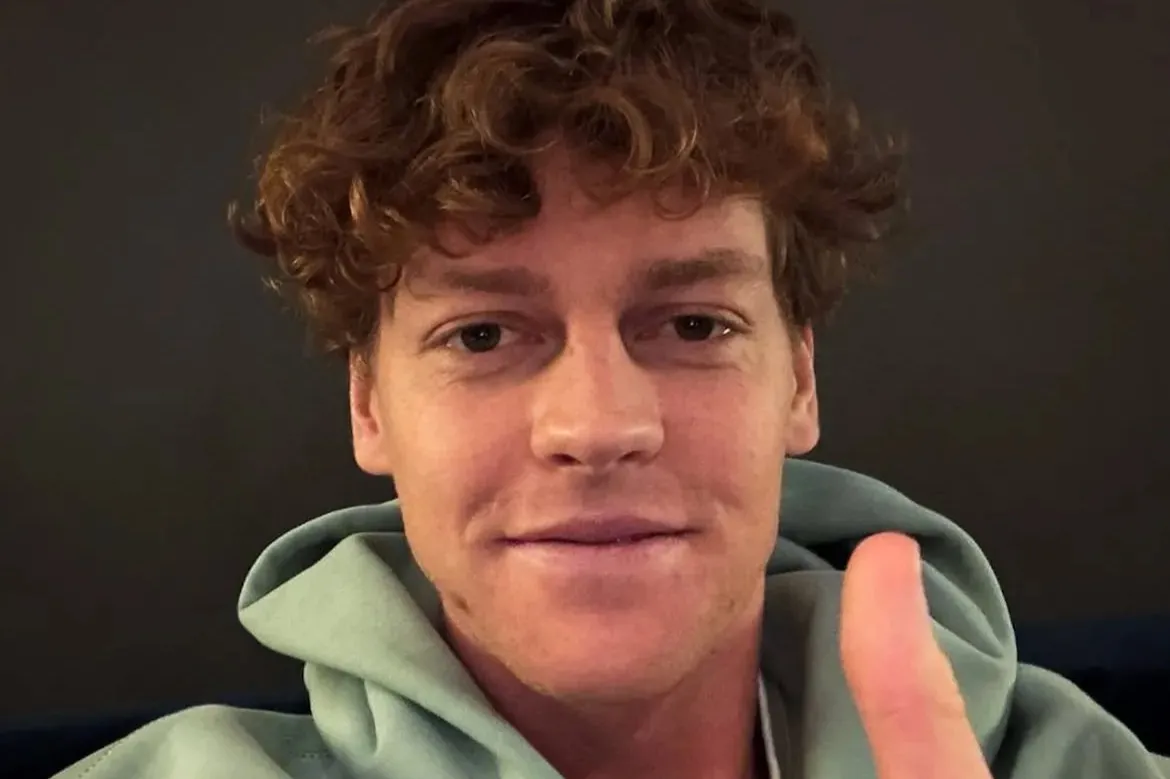
World number two Jannik Sinner faces a lengthy recovery period after undergoing surgery on his right knee. The 25-year-old tennis star has not played a competitive match since winning Wimbledon for the second time on July 12. Months of conservative treatment failed to resolve his persistent joint pain, leading the Italian player and his medical team to opt for a surgical procedure to address the problem.
Sinner revealed the news on Instagram, explaining that the operation targeted his iliotibial band. Over the past few months, the athlete and his staff tried every available non-surgical method to heal the joint. After experiencing some early progress, the knee failed to respond as expected, forcing the player to undergo the operation to improve the condition of his iliotibial band.
The timing of the medical procedure casts serious doubt on his participation in the season opening Grand Slam event. The Australian Open begins on January 17, and medical estimates suggest the recovery process will last between three and four months. Sinner expressed his eagerness to return, stating that he really misses being on court and will now begin his rehabilitation alongside his team while thanking supporters for their encouragement.
Impact on Rankings and the Race for the Top Spot
The prolonged absence from the tennis tour has already taken a toll on the competitive standings. During his layoff, Sinner lost his hold on the top spot in the global rankings to German competitor Alexander Zverev. Maintaining peak physical condition is essential at the elite level of the sport, and time away from tournaments invariably alters the points race at the summit of men's professional tennis.
Health setbacks have disrupted the Italian's career trajectory repeatedly over recent seasons. Alongside the joint trouble, Sinner previously mentioned that he suffered a significant weight loss after undergoing a procedure to have his tonsils removed. These accumulated physical hurdles created a frustrating period for a competitor who established himself at the very peak of the sport.
The latest medical intervention is a sharp mental blow for the player, who previously harboured hopes of making a swift return to competition. Sinner had stated earlier that his primary goal was to travel to Australia and ideally play a few warm-up tournaments beforehand. Instead, his focus shifts entirely to rehabilitation and regaining full mobility.
Support From Fellow Competitors on the ATP Tour
Rivals on the professional circuit expressed sympathy and support following the confirmation of the surgery. Carlos Alcaraz offered words of encouragement for his fellow competitor after securing his own ATP Finals title victory in Turin. The Spaniard noted that the locker room feels the absence of the Italian star during major events.
Alcaraz stated that it is a shame the tour lacks Sinner at the moment and that players truly miss competing against him. The Spaniard added that he cannot wait to see his rival fit and healthy again, expressing strong confidence that the Italian will return to the court even better and stronger than before.
While missing a major tournament brings immense frustration, sports medicine specialists view long-term health management as a priority for young athletes. Sinner acknowledged the broader perspective regarding his career longevity. He stated that he misses playing tennis very much, but emphasized that taking care of his body right now remains essential because he intends to keep playing for another 10 to 15 years.
Understanding Iliotibial Band Issues in Professional Tennis
The iliotibial band is a thick band of fascia that runs down the outside of the thigh from the hip to the outside of the shinbone. In tennis players, constant lateral movements, sudden stops, and explosive sprints place extreme stress on this tissue. When the band becomes tight or inflamed, it causes significant friction and sharp pain around the outside of the knee joint.
Conservative management typically involves physical therapy, anti-inflammatory medication, relative rest, and steroid injections. When these measures fail to alleviate chronic irritation, surgeons perform minor procedures to release tension in the band or clean up surrounding irritated tissue. Recovery requires strict adherence to rehabilitation protocols to restore strength and flexibility before high-impact running is permitted.
For elite athletes, rushing back from such an injury risks chronic recurrence and further joint damage. By taking the necessary time for a complete recovery, Sinner aims to eliminate the pain permanently rather than managing symptoms through a demanding tournament schedule.
What Lies Ahead During the Rehabilitation Process
The next three to four months will consist of intensive physical therapy designed to rebuild muscle strength around the right leg and restore normal biomechanics. Rehabilitation typically starts with range-of-motion exercises and progresses to weight-bearing activities, functional agility drills, and eventually on-court hitting sessions. Medical staff monitor progress closely to ensure the tissue heals properly under increasing loads.
Fans and analysts will watch for updates from the Italian's camp regarding his return to training. While a January appearance in Melbourne is now extremely unlikely, a successful rehabilitation period positions the world number two for a strong comeback later in the spring season. The overarching strategy prioritizes a durable return over a rushed appearance at the start of the year.