Jesus de Miguel Family Present at Estadio Heliodoro Rodriguez Lopez
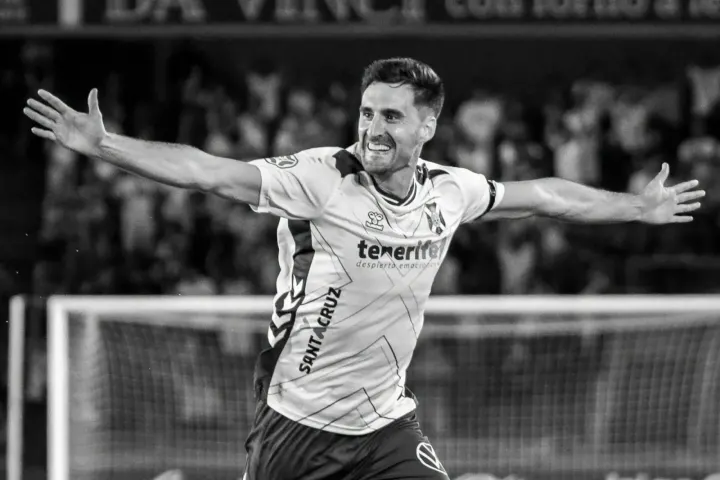
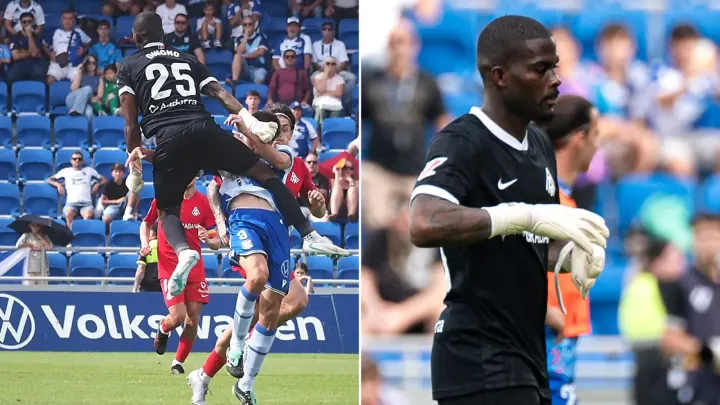
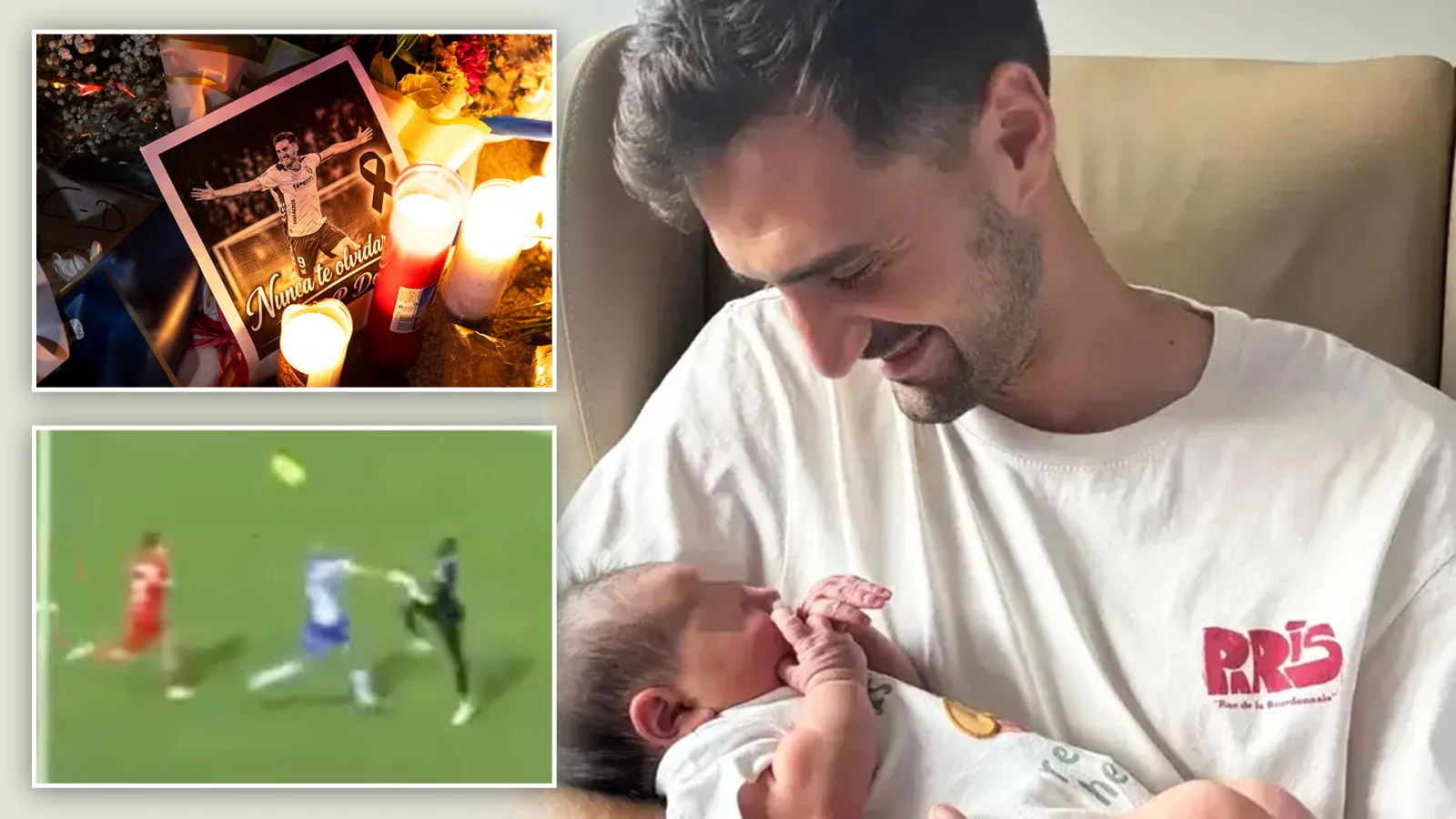
Jesus de Miguel lost his life on Monday following a cardiac arrest during CD Tenerife's Segunda Division match against FC Andorra after a severe collision with goalkeeper Jesus Owono. The 30-year-old forward was struck in the chest by Owono's knee late in second-half stoppage time as the goalkeeper attempted to cut out the ball. Panic erupted at Estadio Heliodoro Rodriguez Lopez when de Miguel lay motionless on the turf while medical personnel rushed to revive him. Medics successfully restarted his heart on the pitch, but the player passed away a few hours after the game was abandoned following a severe deterioration in his neurological condition.
Reports have since confirmed that the partner of Jesus de Miguel, Maria, and their one-year-old daughter, Carla, were in attendance in the stands. Maria and Carla were central to the life of the late player, having welcomed little Carla into the world last summer. The birth of his daughter remained the proudest moment of the striker's life, sparking a touching photograph of the father holding his child that has since circulated widely on social media networks. Unlike many professional athletes and their partners, the couple deliberately avoided the public eye, maintaining private social media profiles to share intimate milestones exclusively with close friends and family members.
CD Tenerife Issues Official Statement on Tragic Passing
CD Tenerife released an emotional official statement on Tuesday, 3 November 2026 at 8am local time, confirming the death of Jesus de Miguel Alameda. The club expressed profound grief, noting that words of comfort were absent in the face of such overwhelming sadness. The statement detailed the profound heartbreak felt by the team, the local football community, and the devastated relatives of the player. Furthermore, the club conveyed gratitude on behalf of the family for the continuous outpouring of support while requesting strict privacy during this difficult period.
The match itself was immediately abandoned as the medical emergency unfolded on the pitch. Players from both CD Tenerife and FC Andorra reacted with visible distress as emergency responders worked frantically to save the athlete's life. The sporting world has united in grief, sending messages of condolence to the relatives and teammates affected by the sudden loss. Fans of the club have gathered near the stadium to leave floral tributes and memorabilia in memory of the forward.
Spanish Police Launch Investigation Into Incident
Spanish authorities have initiated a formal inquiry into the circumstances surrounding the tragedy. Police investigators are currently examining the emergency medical response executed at the stadium during the critical moments following the collision. Additionally, law enforcement officials are exploring the possibility that the tackle by goalkeeper Jesus Owono could be classified as involuntary manslaughter. Legal experts note that such investigations are standard procedure when a sporting accident results in a fatality, ensuring all actions on and off the pitch are thoroughly reviewed.
The inquiry will analyze the timing of the medical intervention, the equipment available on site, and the precise physical impact of the collision. While the investigation proceeds, the football club and sports authorities continue to cooperate fully with the police. The focus remains on understanding how a routine sporting challenge resulted in such a catastrophic outcome for the experienced forward.
Understanding the Segunda Division and Club Context
The Segunda Division represents the second tier of the professional football league system in Spain, featuring highly competitive clubs battling for promotion to La Liga. CD Tenerife, based in the Canary Islands, holds a rich history in Spanish football and plays its home fixtures at Estadio Heliodoro Rodriguez Lopez. Matches in this division attract thousands of passionate supporters, making stadium security and medical readiness vital components of matchday operations.
Medical protocols at Spanish professional football matches mandate the presence of trained paramedics, defibrillators, and ambulances to handle sudden health emergencies. The tragic events involving de Miguel have prompted broader discussions within sports administration regarding emergency preparedness and player safety protocols. Leagues across Europe frequently review their safety measures to ensure prompt responses when medical crises occur on the field of play.