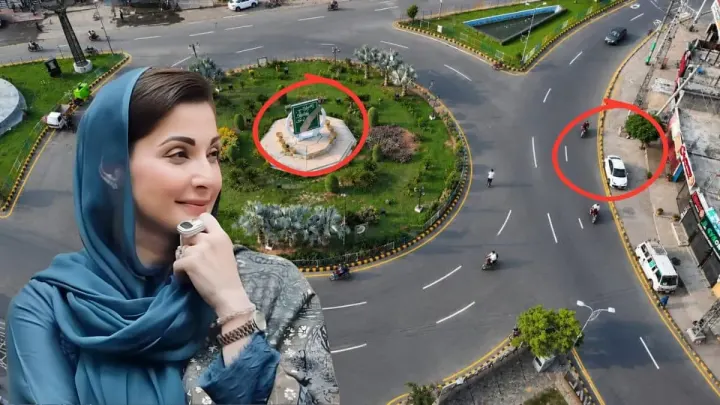
Punjab Chief Minister Inaugurates Major Development Schemes in Attock
Punjab Chief Minister Maryam Nawaz inaugurated 127 development schemes during a visit to Attock, including 59 road projects worth Rs. 23 billion. The announcement marks a major push by the provincial government to upgrade transportation networks and municipal services across the region. Local officials gathered as the leadership unveiled the extensive package designed to modernise public infrastructure in the district.
According to the provincial government, its ongoing development program has delivered around 850 kilometers of roads in Attock so far. These completed segments form the foundation for the newly approved routes, which aim to connect isolated rural zones with bustling commercial hubs. Funding for these initiatives comes directly through provincial allocations aimed at bridging infrastructure gaps in northern Punjab.
Key Road Projects and Infrastructure Routes Under the Rs. 23 Billion Plan
The newly funded initiative targets several critical arteries that experience heavy daily traffic. Major routes highlighted under the program include the Fatehjang-Pindigheb Road, the Dhoke Laham-Jhamat Road, and the Mithial Chowk-Dhoke Pathan Road. These specific corridors serve as economic lifelines for thousands of commuters who travel between agricultural settlements and industrial centers.
Engineering teams will widen narrow stretches, lay fresh asphalt, and reinforce bridge structures along these designated routes. Provincial planners selected these particular corridors based on traffic volume surveys and petitions submitted by local trade associations and commuter groups. Upgrading these highways is expected to ease vehicular congestion and lower vehicle maintenance costs for commercial transporters.
Drainage Improvements and Municipal Works in Attock City
Alongside road development, the government is funding drainage improvements to reduce rainwater accumulation in Attock city. Heavy seasonal downpours frequently overwhelm existing municipal drainage networks, leading to severe waterlogging and structural damage to local asphalt surfaces. The new drainage funds will construct underground conduits and water retention channels to protect newly paved roads from premature erosion.
Municipal engineers are coordinating with provincial authorities to ensure that drainage installation synchronises with road repaving schedules. This dual approach prevents newly laid roads from being excavated soon after completion for utility pipe installations. Residents in low-lying neighborhoods anticipate relief from annual monsoon flooding once the civil works are fully operational.
Broader Context of Provincial Infrastructure Expansion in Punjab
The district's projects follow the recent approval of Rs. 32.8 billion in road schemes elsewhere in Punjab, as the province continues to expand its transport infrastructure. Provincial administrations across Pakistan frequently prioritize road construction to stimulate regional commerce and tourism. Allocating tens of billions of rupees to transport networks reflects a broader administrative strategy to unify peripheral districts with major metropolitan economic centers.
Punjab manages thousands of kilometers of provincial highways and secondary district roads through its specialized communication and works department. Budget allocations for these networks are debated annually in the provincial assembly, where lawmakers advocate for their respective constituencies. The concentration of projects in Attock highlights the region's strategic importance within the northern provincial grid.
Geographic Importance of Attock in Northern Punjab Transport
Attock connects routes leading towards Rawalpindi, Pindi Gheb, Fateh Jang and other parts of northern Punjab. Road conditions therefore play an important role in travel between the district's rural communities and larger towns. Situated near the Indus River, the district acts as a natural gateway between Punjab and the neighboring province of Khyber Pakhtunkhwa, increasing the volume of interstate cargo trucks passing through local highways.
Commercial vehicles, agricultural haulers, and daily passenger buses rely on these interconnected routes to transport goods to markets in Rawalpindi and Islamabad. Poor road maintenance in the past had slowed down transit times, prompting persistent demands from transport unions for comprehensive reconstruction efforts. The current Rs. 23 billion injection is designed to resolve these longstanding logistical bottlenecks.
Expected Impact on Travel Times and Local Commuter Challenges
Rehabilitation and expansion work could shorten journeys and improve access across these areas. Farmers will find it easier to transport perishable crops to urban markets without sustaining damage caused by bumpy, potholed roads. Students and office workers commuting from distant villages to Attock city will experience more reliable daily transit schedules.
However, motorists may face temporary disruptions along routes where construction continues. Traffic police plan to issue periodic advisories detailing diversion routes and lane closures while heavy machinery operates on site. Commuters are advised to plan extra travel time when journeying through active construction zones during peak morning and evening hours.