Karachi Restaurant Introduces Locally Built Robot Waitresses
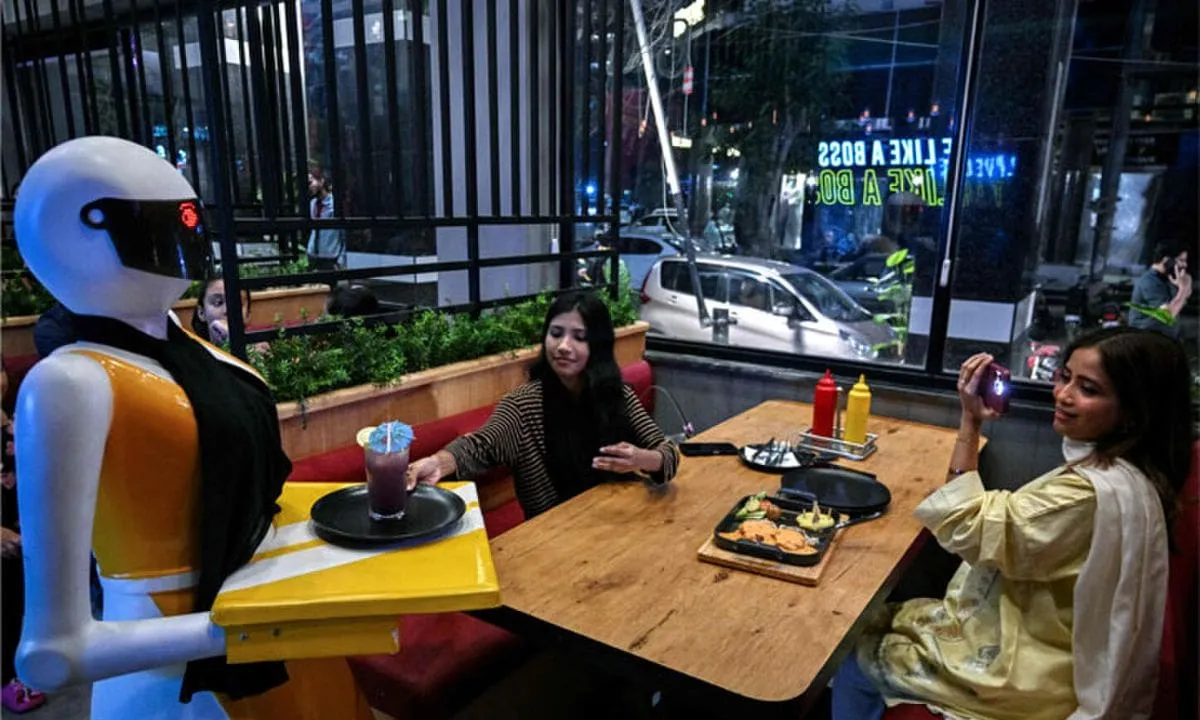
Two automated waitresses created by a Pakistani engineer are currently serving patrons at The Sicilian restaurant in Karachi. These robotic additions, named Robia and Jojo, have successfully increased customer numbers at the establishment since their introduction. The machines represent a unique intersection of local engineering and the food service industry in Pakistan, where automated assistance in eateries remains uncommon.
The development of these robots highlights a growing interest in automation within the region, even as most commercial service robots are typically imported from manufacturing hubs in East Asia. By building the units domestically, the creator has demonstrated that advanced technology can be adapted to local markets despite supply challenges. Families and food enthusiasts have flocked to the restaurant to observe the technology firsthand, turning the establishment into a notable attraction in Karachi.
Who Built the Karachi Restaurant Robots?
The automated waitresses were developed by Syed Osama Aziz, who also established The Sicilian restaurant. Mr Aziz built them through his robotics company, Cobot, using mostly locally manufactured parts. He designed their circuit boards and programmed them in his own lab, with help from friends and some imported electronic components.
Acquiring the necessary hardware for robotics work presented a distinct challenge during the development phase. The creator noted that specialized equipment is not readily available within the country. As a result, gathering the required components demanded extra effort and resourcefulness. His workshop for manufacturing the robots is located in Multan, where the assembly and programming took place before the machines were deployed to the restaurant floor.
Design and Features of Robia and Jojo
Both robots feature spherical white heads with dark visors, similar to a motorcycle helmet, and wear black shawls styled after a dupatta. Robia greets diners with an electronic voice, introduces herself and tells them what they can order. She then delivers food to tables on a serving tray.
While the machines handle the initial delivery to the table, human intervention is still required for the final steps of the service process. Customers must either take the food themselves or wait for a human staff member to assist. This combination of automated delivery and human support ensures that patrons receive their meals efficiently while maintaining standard hospitality norms.
How Robotic Waitresses Compare Globally and Locally
Robotic staff are increasingly common in China and other East Asian countries, where they serve food in restaurant chains and perform tasks such as cleaning and greeting hotel guests. In Pakistan, they remain rare. The adoption of service automation in other parts of the world usually involves mass-produced commercial units imported from specialized technology firms.
In contrast, the creation of Robia and Jojo through domestic engineering efforts sets a different precedent for the region. While East Asian establishments rely on imported systems for widespread commercial efficiency, the project in Karachi demonstrates grassroots innovation tailored to a single local venue. This approach bypasses heavy import costs and tailors the technology directly to the creator's specifications.
Customer Reactions and Impact on Business
Families have been the main draw at the restaurant since the machines began operating. Children reach out to touch the robots while parents take photographs and selfies. Customer Ahmer Zameer said the best feature is that the robot introduces itself. Another customer, Sonia Dilosker, said she preferred the robots' approach to service because they are machines without emotions.
Restaurant staff member Hellen said business has grown, with some customers travelling from far across the city. She noted that many patrons are drawn to the venue because they have seen a robot for the first time here. The influx of visitors has translated into measurable commercial growth for the establishment.
Future Plans for Pakistani Restaurant Robots
Mr Aziz plans to add camera-based and image-processing features to the existing robotic units. These technological upgrades would allow the robots to recognise returning customers, remember their previous orders and offer better suggestions. Such enhancements would shift the machines from novelty attractions to more personalized service assistants.
The integration of advanced computer vision requires significant programming adjustments and hardware integration. As the technology evolves in the Multan workshop, future iterations may offer even higher levels of interaction. For now, the focus remains on maintaining current operations while observing how patrons respond to the existing capabilities of Robia and Jojo.