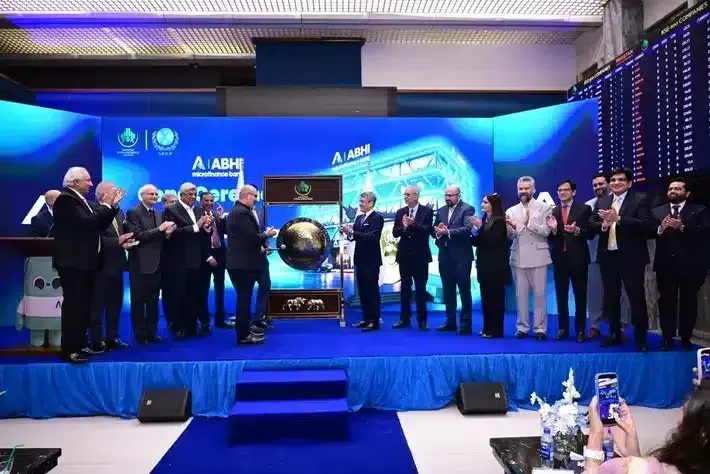
The Pakistan Stock Exchange (PSX) saw its benchmark KSE-100 Index rise 1,068.43 points, or 0.60%, to finish Tuesday at 178,542.28.
What Drove the Tuesday Surge?
Investor sentiment improved after a rebound in U.S. and Asian equity markets and a dip in international oil prices. Lower oil prices eased inflation worries and reduced pressure on Pakistan's external account, creating a more favourable environment for equity buying.
How Corporate News Influenced Trading
Engro Holdings (ENGROH) announced a share-buyback programme for up to 60 million shares. The move signalled confidence in the company's valuation and encouraged broader market participation. Analysts noted that buybacks can tighten share supply, potentially lifting earnings per share and supporting price appreciation.
Sector Performance Highlights
Commercial banks and cement manufacturers were the most active sectors, providing the bulk of the index's upward momentum. Within the banking space, National Bank of Pakistan (NBP) posted strong earnings, while cement firms benefited from renewed construction activity in major cities.
Top Contributing Stocks
Five stocks led the rally, together adding roughly 522 points to the KSE-100:
- Engro Holdings (ENGROH)
- Fauji Fertilizer Company (FFC)
- Millat Tractors (MEBL)
- National Bank of Pakistan (NBP)
- Lucky Cement (LUCK)
These companies represent a mix of heavy industry, agriculture inputs, banking and construction, reflecting the diversified nature of Pakistan's growth drivers.
Trading Volume and Value
Market activity remained robust, with about 644.8 million shares changing hands. The total turnover reached Rs. 23.10 billion, indicating strong liquidity and investor participation across the board.
Background: PSX Performance in 2024
Since the start of 2024, the KSE-100 has navigated a volatile environment marked by fluctuating foreign exchange reserves, IMF program negotiations and regional geopolitical tensions. Earlier in the year, the index recorded a series of modest gains after the government secured a $6 billion IMF loan, which helped stabilise the rupee and restore some investor confidence.
Global factors have also played a decisive role. The U.S. Federal Reserve's decision to pause rate hikes in early March reduced the risk premium on emerging-market equities, prompting capital inflows into markets like Pakistan. Meanwhile, China's easing of COVID-related restrictions lifted Asian equity indices, creating a positive spill-over effect for neighboring exchanges.
How the Share-Buyback Mechanism Works
A share-buyback, also known as a repurchase, allows a listed company to buy its own shares from the open market. The process typically follows these steps:
- The board approves a maximum number of shares and a price range.
- The company announces the programme publicly, as Engro did.
- Shares are purchased over a set period, often through the stock exchange's designated market maker.
- Repurchased shares are either cancelled, reducing total share capital, or held as treasury stock for future issuance.
Buybacks can signal management's belief that the stock is undervalued, improve earnings per share, and provide a return to shareholders without paying dividends.
Impact on Different Market Participants
Retail investors benefited from the rally through capital gains on the highlighted stocks. Institutional investors, including mutual funds and pension schemes, saw portfolio valuations rise, which may influence asset allocation decisions in the coming weeks.
For companies, a rising index improves market perception, potentially lowering the cost of future equity financing. Banks, which constitute a large share of market turnover, may experience higher net interest margins as a stronger economy drives loan demand.
What Comes Next?
Analysts will watch several indicators to gauge whether the upward trend can be sustained:
- Further movements in global oil prices, as a resurgence could reignite inflation concerns.
- Updates from the IMF regarding programme compliance and any additional financing.
- Domestic macro-economic data, especially inflation, current account balance and foreign exchange reserves.
- Corporate earnings releases, particularly from the banking and cement sectors.
There is no official timetable for the next major market move, but the combination of global risk-off easing and supportive corporate actions suggests continued optimism in the short term.
Practical Takeaways for Investors
Investors should consider the following steps:
- Review exposure to the top-contributing stocks and assess whether they align with risk tolerance.
- Monitor Engro Holdings' buyback execution timeline for potential price support.
- Stay informed about macro-economic releases that could affect currency stability and inflation.
- Diversify across sectors to mitigate sector-specific volatility.
By keeping an eye on both global cues and local corporate developments, market participants can better navigate the evolving landscape of Pakistan's equity market.