Labour Disability Benefits Audit and Rising Welfare Costs
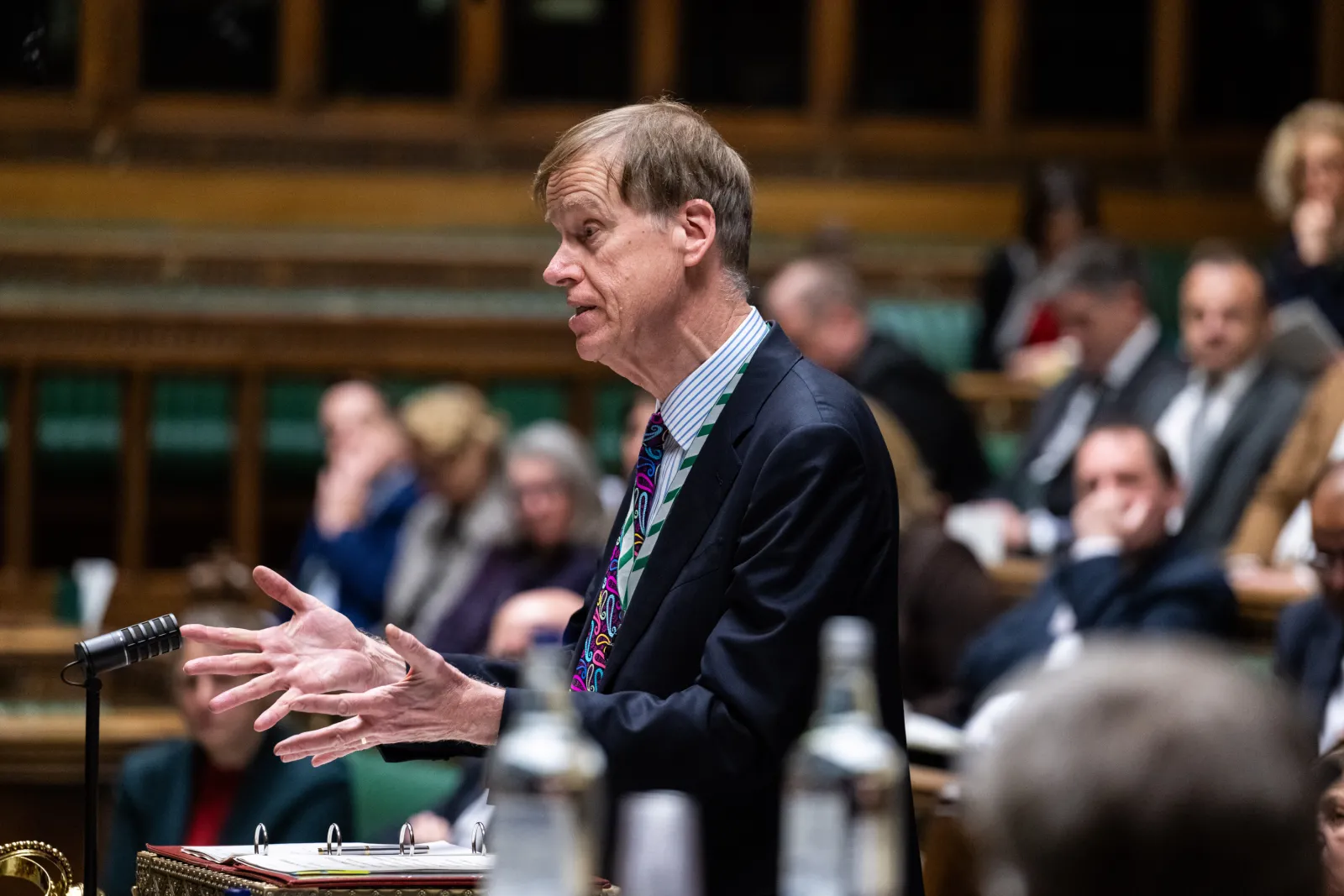
Labour minister Sir Stephen Timms recently conducted an audit into the disability benefits system, prompting questions about its ultimate purpose and direction. Personal Independence Payment, often known as PIP, is projected to surge from £31.6 billion to £47 billion by the year 2031. Critics point out that the recent review offered no plan to rein in these escalating costs or reduce handouts to incentivise work. There was also no attempt to end the payment of welfare for milder mental and physical problems.
Instead of curbing expenditures, ministers plan to fast-track claims for the most serious conditions, reduce reassessments, and make applications easier. These adjustments risk adding significantly to an already eyewatering national welfare bill. Observers note that political pressures from left-wing MPs who equate benefit reductions with severe hardship often prevent leaders from enacting stricter fiscal controls.
The welfare system in the United Kingdom has long been a subject of intense political and economic debate. Over successive decades, governments have attempted to balance the vital need to support vulnerable citizens with the fiscal responsibility owed to taxpayers. Personal Independence Payment was introduced to help with extra living costs if someone has a long-term physical or mental health condition or disability. However, the sheer volume of claims and the complexity of assessing genuine need have created administrative and financial strains.
As expenditure projections climb toward £47 billion by 2031, debates over work incentives and eligibility criteria have intensified. Governments frequently find themselves caught between rising public sector costs and the demands of various advocacy groups. The recent audit by Sir Stephen Timms highlights these ongoing tensions, showing how difficult it is for policymakers to find a stable middle ground.
Impact on Taxpayers and Welfare Recipients
The trajectory of welfare spending carries direct consequences for everyday taxpayers and individuals caught within the system. When budgets expand without corresponding structural reforms, the national tax burden increases to fund public services and transfer payments. At the same time, experts argue that maintaining open-ended welfare structures without strong work incentives does a disservice to those who remain stuck in the welfare trap.
For individuals with disabilities, navigating the assessment process can be stressful and bureaucratic. While fast-tracking serious conditions and easing application rules aims to reduce administrative friction, critics worry it fails to address the fundamental sustainability of the budget. Balancing compassion with economic realism remains one of the most persistent challenges for modern governance.
Understanding the mechanics of disability benefits requires looking closely at how claims are processed and evaluated. The assessment framework relies heavily on medical evidence, self-reporting, and face-to-face evaluations. Over the years, numerous independent reviews have suggested that administrative bottlenecks delay support for those who need it most, while failing to catch fraudulent or marginal claims.
Reform proposals often stall because politicians fear the electoral fallout of tightening eligibility criteria. Left-wing parliamentarians argue that any restriction on welfare payments causes unnecessary suffering among vulnerable populations. Consequently, successive administrations struggle to implement changes that might control costs without provoking widespread protests and parliamentary rebellions.
Concerns Over Andy Burnham and Public Spending in Manchester
Beyond national welfare policy, public attention has also focused on regional leadership and spending decisions involving Andy Burnham. Critics have targeted a project in Manchester, referred to as Number 10 North, describing it as a colossal waste of public money. Providing security at the building is reportedly having debilitating real-world consequences for people in the locality.
The Police Federation states that local officers are being pushed to breaking point by the demands of throwing a ring of steel around this initiative. Fighting crime will inevitably be hampered as police and equipment are stretched even thinner. Observers argue that leaders should focus on core responsibilities such as reinvigorating the economy, restoring defences, and addressing immigration rather than pursuing vanity projects.
Regional development projects are frequently billed as essential for decentralising government authority and boosting local economies. However, local tax payers and municipal watchdogs often scrutinise the price tag attached to such administrative hubs. When high-profile initiatives require intensive police resources, community safety can be compromised, leading to friction between local authorities and rank-and-file officers.
The debate surrounding Number 10 North reflects a broader disagreement over public sector priorities. Critics maintain that funds should be directed toward frontline public services rather than creating auxiliary government offices outside the capital. As financial constraints tighten across local councils, every pound spent on security and infrastructure is subjected to intense public examination.
Social Media Controversies and Downing Street Access
Additional scrutiny surrounds decisions to use government spaces for social media content and public relations stunts. The choice to turn the seat of government into a backdrop for online videos has drawn sharp criticism following incidents involving internet influencers. The Prime Minister had to condemn an influencer who abused hospitality by filming a foul-mouthed video outside Downing Street.
This controversy has sparked questions regarding propriety and the use of public resources for online engagement. Inviting YouTubers and internet personalities into official government locations has led to accusations that such approaches diminish the dignity of public office. Critics suggest that welcoming content creators risks turning serious institutions into a spectacle.
Digital communication strategies have evolved rapidly as political offices seek younger audiences across various online platforms. Traditional press briefings are increasingly supplemented by informal videos designed to appeal to internet-savvy demographics. However, mixing entertainment culture with official state administration frequently backfires when invited guests fail to maintain basic standards of decorum.
Public relations teams must now weigh the benefits of digital outreach against the reputational risks of opening government doors to unregulated online personalities. Incidents involving inappropriate behavior inside historic state venues demonstrate the difficulty of controlling messaging in the digital age. Taxpayers expect a level of seriousness from public institutions that casual social media collaborations can easily undermine.
Future Outlook for Welfare Reform and Public Accountability
As projections for Personal Independence Payment continue to rise toward £47 billion, policymakers face mounting pressure to demonstrate fiscal prudence. Watchdogs and financial analysts will closely monitor upcoming budget statements and legislative proposals to see if any measures are introduced to control welfare spending. Public debates regarding the balance between welfare support and economic incentives will undoubtedly persist.
Meanwhile, regional projects and the use of government property for public relations will remain under public scrutiny. Taxpayers and advocacy groups continue to demand greater transparency and accountability in how public funds are allocated. The coming months will reveal whether political leaders adjust their strategies in response to these widespread concerns.
Controlling public expenditure while maintaining an adequate social safety net requires a delicate policy approach. Economists suggest that targeted interventions and clearer employment pathways are necessary to prevent long-term dependency on state support. Without decisive action, future administrations will inherit a budgetary challenge that crowds out funding for other vital public services.
Ultimately, public trust depends on responsible financial management and respect for institutional norms. Whether addressing national welfare projections or regional security costs, accountability remains a central concern for citizens and lawmakers alike. The ongoing debates ensure that these issues will stay at the forefront of political discourse.