Labour's new welfare reviews arrive late as the Office for Budget Responsibility forecasts the UK welfare bill will climb to £431 billion by 2031-32, putting the government under pressure to act before the next election.
The delay matters because the most uncomfortable part of the problem is not just the size of the bill but the speed at which it is rising, a fact highlighted by the latest OBR figures and by comments from senior Labour figures.
What Alan Milburn's 2024 Report Said
In July 2024, three weeks after Labour won the general election, former Cabinet minister Alan Milburn released a comprehensive study on economic inactivity. The report warned that successive governments had failed to address the root causes of people being out of work and set out a timetable for reform:
- Within six months, the Department for Work and Pensions (DWP) should begin transforming itself into a department for work.
- Within a year, a new national strategy to increase employment should be in place.
- Within eighteen months, work capability assessments should be reformed.
Milburn criticised the habit of allowing months to pass between publishing recommendations and implementing them, declaring, "The idea is to move to action immediately."
Why the New Review Is Late
Fast-forward to November 2026, and ministers are still waiting for Milburn's second review, this time on the nearly one-million young people not in education, employment or training (NEET). The review was originally due in the summer and at one point was to be a centrepiece of Labour's autumn conference. Publication slipped beyond the conference and the October Budget, and ministers now expect it later this month. Major legislative changes are unlikely before well into next year.
The delay is significant because helping someone back into work can take years, and the government has less time than it would like to curb a rapidly expanding welfare bill.
How the Welfare Bill Is Expected to Grow
The OBR forecasts that Britain's annual welfare bill will rise from £334 billion to £431 billion by 2031-32. Health and disability payments alone are projected to increase from £85.6 billion to £120 billion. Almost half of the increase comes from pensions, while Personal Independence Payment (PIP) can still be claimed by people who are employed.
These figures mean that even successful programmes that move people into jobs may not be enough to make the overall bill fall.
Political Reactions and the Election Question
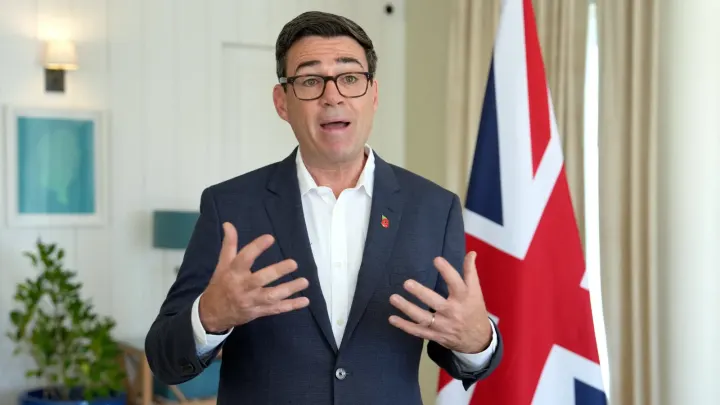
Last week Chancellor John Healey appeared to promise that welfare spending would drop before the next election, but Downing Street quickly clarified that no such deadline had been set. Labour leader Andy Burnham said the party is determined to reduce spending without the "crude cuts" that could push vulnerable people into hardship.
Privately, government insiders fear a heavy political price. One source said, "Welfare is going to be one of the defining issues of the next election. The Tories have a simple message: slash the benefits bill and spend the savings on defence. But the truth is getting welfare spending down is incredibly difficult. If we go into the next election without a credible plan to get a grip on the bill, we will be in serious trouble."
Legacy of Conservative Policies
Much of the current crisis was inherited from the Conservative government, under which the number of people out of work because of long-term sickness rose from around two million in 2019 to 2.8 million by 2024. Labour's own attempts to curb disability spending have already hit a "humiliating retreat" after a rebellion by its MPs.
Sir Stephen Timms is now conducting a separate review of PIP to examine whether payments reflect the additional costs faced by disabled people. His findings are expected to follow Milburn's, potentially in a different week. Unlike a Treasury savings exercise, Timms's review was not instructed to cut spending, and any proposals that leave claimants worse off risk another confrontation with Labour backbenchers.
Employment Initiatives Under Scrutiny
Labour's other main strategy is to get more people into employment, but questions remain about how much money that will save. This week the OBR revealed that an expansion of NHS Talking Therapies, previously expected to help another 10,000 people into work, had not been implemented as planned. The Connect to Work scheme is now expected to support around a third fewer people than originally envisaged.
The watchdog warned it would set "quite a high bar" before accepting the employment gains promised by future schemes. Joe Shalam, Policy Director at the Centre for Social Justice, said, "This leaves the Government without a credible route to bringing the benefits bill down this Parliament. With 6.7 million people on out-of-work benefits and a minimum-wage worker needing six days a week to match the combined benefit package, savings will only come if reform makes work pay. That goes for any party promising to cut the bill."
Conservative Counter-Proposals
The Conservatives claim they can deliver £36.1 billion in annual welfare savings through tougher eligibility rules and restrictions on benefits. However, even if every penny of that figure were saved, the welfare bill would still be nearly £28 billion higher in 2029-30 than in 2025-26.
The sheer scale of the challenge means that whichever party holds power will need more than ambitious promises to bring spending under control.
What Comes Next for Labour
Milburn's upcoming report will add another set of ideas to the policy debate. The government will need to decide how quickly to act on any recommendations, especially those that affect the DWP's structure, the national employment strategy, and the work capability assessment system.
Parliamentary time is limited. If the review is published later this month, the earliest realistic window for legislation is the next parliamentary session, likely in early 2027. Ministers will also watch the outcome of Timms's PIP review, which could shape future disability spending.
In the meantime, Labour must balance the political risk of appearing weak on welfare with the practical need to deliver reforms that actually reduce the bill. The OBR's warning that even aggressive cuts would leave the bill substantially higher underscores the difficulty of the task.
For voters, the key question is whether the government can turn policy ideas into measurable outcomes before the next election, and whether those outcomes will be enough to keep the welfare bill from overwhelming the public finances.