Veterans and Military Personnel Rail Discounts Protected in Law
Veterans and military personnel will have rail discounts protected in law under new government plans announced to provide long-term reassurance. Serving members of the Armed Forces and veterans currently receive a third off train fares through a dedicated railcard system, while children travelling with them are entitled to a 60 per cent discount. Ministers intend to enshrine these benefits in legislation to guarantee that these reductions continue for generations to come. The announcement coincides with Remembrance weekend events honouring those who have served and sacrificed in military conflicts.
The legislative move follows the recent extension of free rail travel to bereaved military family members attending official Remembrance events across the country. Government officials emphasised the importance of backing military personnel not just during commemorative periods, but throughout the entire year. Rail Minister Lord Hendy stated that service members deserve support during Remembrance weekend and always. Defence Secretary Wes Streeting added that the nation holds a moral duty to stand by veterans and the military families who sacrifice so much.
Understanding the Armed Forces Railcard System
The railcard discount provides eligible personnel and veterans with a reduction of one-third on standard and first class Anytime, Off-Peak, and Advance fares. Children accompanying cardholders benefit from a larger reduction of 60 per cent on their tickets. Eligibility covers regular Armed Forces personnel, reservists, veterans who served for at least one day, and spouses or widows of eligible personnel under specific criteria. By moving from policy guidelines to statutory protection, the government aims to remove any uncertainty regarding the future availability of these fare reductions.
Transport policies regarding military personnel have evolved over decades to recognise the unique demands and sacrifices associated with service life. Concessions on public transport serve as a practical acknowledgement of the mobility needs of service families. Many personnel relocate frequently due to postings, making affordable rail travel an important part of maintaining family connections. Enshrining the discount in law means future administrations cannot easily alter or remove the benefit without parliamentary legislation.
Remembrance Events and National Commemorations
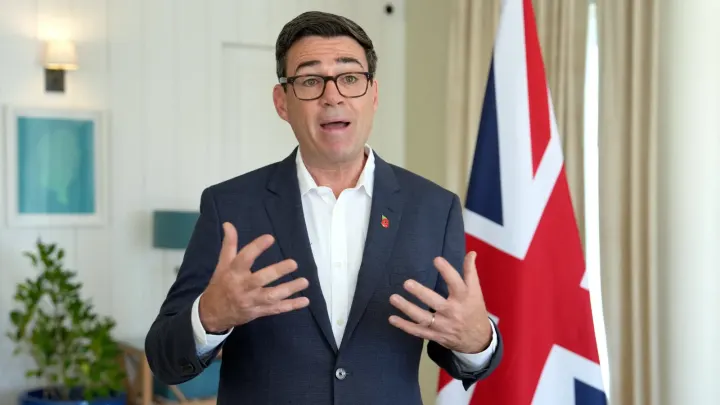
The timing of the legal protection announcement aligns with national commemorations held across the country to remember fallen service members. The King will lead the nation in two minutes of silence at The Cenotaph today for those who have served in the Armed Forces and died in conflicts. Prime Minister Andy Burnham offered personal thanks to those who served and continue to serve during the commemorative events. Politicians and public figures participated in various tributes and reflections to mark the solemn occasion.
Public observances draw millions of citizens to war memorials, cathedrals, and town squares to pay their respects. Ceremonies involve veterans, current service personnel, youth organisations, and community leaders laying wreaths. The tradition of the two-minute silence dates back to the aftermath of the First World War and remains a central pillar of national identity. Extending free rail travel for bereaved families helps remove financial barriers that might otherwise prevent relatives from attending these important national gatherings.
Political Reactions and Reflections on Military Service
Political leaders from across the spectrum shared personal reflections and statements of gratitude during the Remembrance period. Reform UK leader Nigel Farage experienced an emotional moment while filming a documentary on World War One battlefields and asked cameras to stop. Discussing the historical compensation given to families of fallen soldiers, Farage described the bronze memorial plaques known as dead man's pennies. He noted that families often soldered mounts to the back of these plaques to display them above mantelpieces as a permanent remembrance of the dead soldier. The poignant moment highlighted the heavy personal toll paid by ordinary families during past global conflicts.
Political debates frequently touch on the welfare of veterans, housing support, and mental health services. Lawmakers face ongoing pressure from advocacy groups to ensure that former service personnel receive adequate care after leaving the military. Transport concessions represent one concrete area where government policy delivers tangible financial relief to households connected to the armed forces. Public support for military charities and veteran welfare remains consistently high among the British public.
Impact of Transport Concessions on Military Families
Military families often bear significant administrative and logistical burdens due to frequent relocations and long deployments. Financial support with travel costs helps mitigate some of the economic pressures associated with service life. The railcard discount allows veterans to visit relatives, attend medical appointments, and access employment opportunities in different regions without prohibitive travel expenses. Extending free travel to bereaved family members ensures that grief does not carry an unfair financial penalty when attending memorial services.
Transport operators work alongside government departments to implement discount schemes smoothly across national rail networks. Ticket offices and online booking platforms process the railcards using standard verification procedures to confirm military service. Ensuring these discounts are backed by law gives passengers confidence that their entitlements remain secure regardless of changes in rail franchising or corporate ownership. Consumer advocates generally welcome statutory protections for targeted public transport concessions.
What Happens Next for the Proposed Legislation
Following the initial announcement, government drafters will prepare the formal legislative text to be introduced in Parliament. Lawmakers will debate the proposals through standard legislative stages in the House of Commons and the House of Lords. Observers will watch for the formal introduction of the bill and subsequent timetables for committee scrutiny. The Department for Transport will release further guidance regarding implementation timelines and any administrative updates for railcard holders once the legislation progresses.