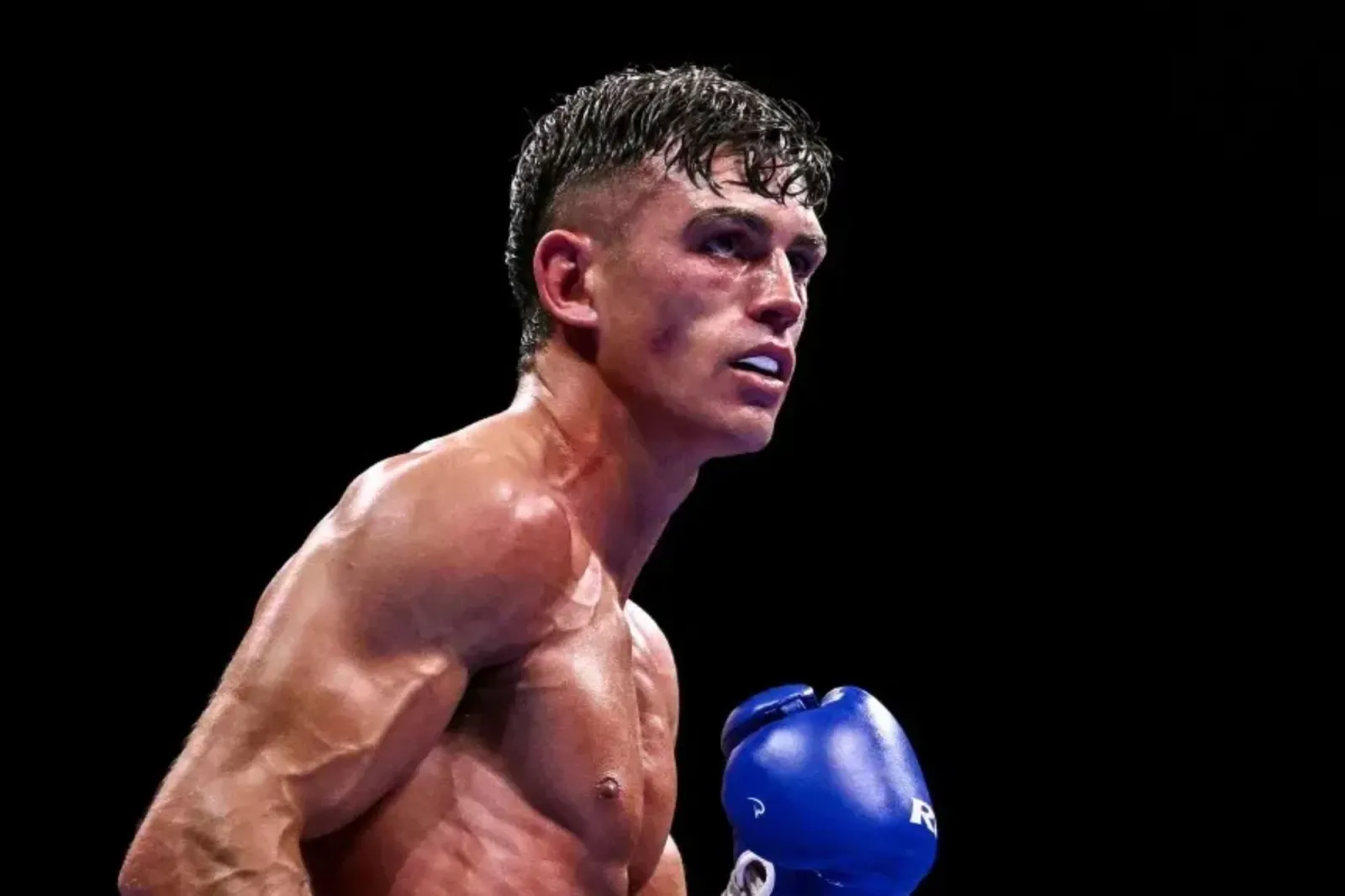
Irish professional boxer Lee Reeves died on Monday night at the age of 31, ending a three-month battle for his life after a severe brain injury caused by a knockout in a junior-welterweight bout.
Reeves was taken to Dublin's University Hospital after being knocked down twice in the tenth round of his August 1 fight against Gary Cully at the 3Arena. He lost consciousness, was removed on a stretcher and placed in an induced coma, where he remained for ninety days.
What Happened on August 1 at the 3Arena?
On the night of August 1, the 31-year-old Limerick native faced fellow Irishman Gary Cully in a highly promoted junior-welterweight contest. The bout progressed to the final round, where Cully landed a series of power punches that sent Reeves to the canvas twice. After the second knock-down, medical staff declared him unconscious and halted the contest. He was immediately taken to the ring's side, secured on a stretcher, and rushed to the nearby University Hospital for emergency care.
Doctors performed emergency neurosurgery to relieve intracranial pressure and subsequently induced a medically controlled coma to allow his brain to heal. The procedure was described by hospital officials as "critical but necessary" given the extent of the injury.
Why Did Reeves Remain in a Coma for Three Months?
Induced comas are used when traumatic brain injury threatens to cause swelling that could further damage delicate neural tissue. By keeping the brain in a reduced-activity state, physicians aim to limit metabolic demand and give surgical repairs a chance to stabilize. Reeves showed early signs of neurological response - he squeezed his sister's hand, blinked, and made a low grunting sound - which raised hopes of a gradual awakening.
Despite those encouraging gestures, Reeves contracted a severe infection during his hospital stay. Ring Magazine reported that the infection proved fatal, overwhelming his already compromised system and preventing a full recovery.
Who Remembered Lee Reeves and What Did They Say?
Family friend and Limerick civic leader Catherine Slattery, speaking to RTE, described the loss as a "very dark place" for the city. She highlighted Reeves' dual role as a champion boxer and a mental-health advocate, noting his work with local charities and his 2022 civic reception as Príomh Chomhairleoir of Limerick City and County Council.
"Lee was a very proud Limerick man, he loved Limerick and its people and any chance he got to promote Limerick, he took it," Slattery said. She added that Reeves was devoted to his family, especially his father Tony, his sisters, nieces and nephews.
Former boxer and trainer Jonathan O'Brien, who had run a GoFundMe campaign to offset Reeves' medical expenses, posted a tribute on Facebook, writing, "Goodbye son, sleep tight, you fought so hard till the end, we love you so much. Rest in peace with your mam and brother waiting at the heavenly gates, look over your sisters and your father ... we love you Lee."
Limerick Treaty Suicide Prevention, an organization where Reeves volunteered, shared a simple candle-lit image with the caption, "Rest In Peace Lee Reeves, Our Ambassador."
What Was Lee Reeves' Boxing Background?
Reeves turned professional in November 2018 after a distinguished amateur career that included five national titles. Standing 5 ft 11 in and fighting south-paw, he compiled a professional record of 16 wins, 2 losses, with 11 victories by knockout. His aggressive style and knockout power earned him the nickname "El Champ" among fans.
Before his professional debut, Reeves fought extensively on the Irish amateur circuit, representing Limerick clubs and earning recognition for his technical skill and work ethic. His transition to the pro ranks was marked by a steady climb up the junior-welterweight ladder, culminating in the bout with Cully that would become his final fight.
How Did Reeves Contribute to Mental-Health Advocacy?
Beyond the ring, Reeves used his public platform to speak openly about mental-health challenges facing young people. He partnered with local charities, gave talks at schools, and served as an ambassador for Limerick Treaty Suicide Prevention. His advocacy was rooted in personal experience, and he often emphasized the importance of seeking help, reducing stigma, and fostering community support.
Reeves' involvement extended to fundraising events and media appearances, including a 2023 stint on the reality series "Survivor," where he discussed his commitment to mental-health causes. His work earned praise from civic leaders, who cited him as a role model for athletes using their influence for social good.
What Is Known About the Medical Investigation?
Hospital officials have confirmed that the infection that led to Reeves' death was hospital-acquired, though they have not released specific details about the pathogen or the exact timeline of its spread. An internal review is expected to examine infection-control protocols at the University Hospital, as required by Irish health regulations.
Legal experts note that families may pursue civil action if negligence is proven, but no formal claim has been announced by Reeves' relatives at this stage.
What Does Reeves' Death Mean for the Irish Boxing Community?
The loss has prompted an outpouring of grief across the Irish boxing world. Trainers, promoters, and fellow fighters have posted tributes on social media, emphasizing both his talent in the sport and his dedication to community service. The Irish Boxing Authority (IBA) is expected to issue a formal statement honoring Reeves and may review safety guidelines for professional bouts, particularly concerning concussion protocols and post-fight medical monitoring.
Reeves' death also revives ongoing discussions about the long-term health risks associated with combat sports. Experts point to the need for stricter pre-fight neurological screening, immediate post-fight assessments, and clearer pathways for athletes who suffer severe head trauma.
What Are the Next Steps for Reeves' Family and Supporters?
Reeves' family will hold a private funeral service in Limerick, according to close contacts. Community members have pledged to continue his mental-health work, with Limerick Treaty Suicide Prevention planning a memorial event and a scholarship in his name for young athletes.
The GoFundMe campaign, initially set up to cover medical bills, will now be redirected to support the memorial scholarship and to fund mental-health initiatives that Reeves championed.
How Can Readers Honor Lee Reeves?
Those wishing to pay tribute can contribute to the memorial scholarship, volunteer with local mental-health charities, or spread awareness about concussion safety in sports. The Irish Boxing Authority has provided resources on safe training practices and encourages fans to support athletes dealing with injury or mental-health struggles.
Lee Reeves' legacy endures through his boxing achievements, his advocacy, and the lives he touched in Limerick and beyond. While his fight in the ring ended tragically, his commitment to helping others continues to inspire.





