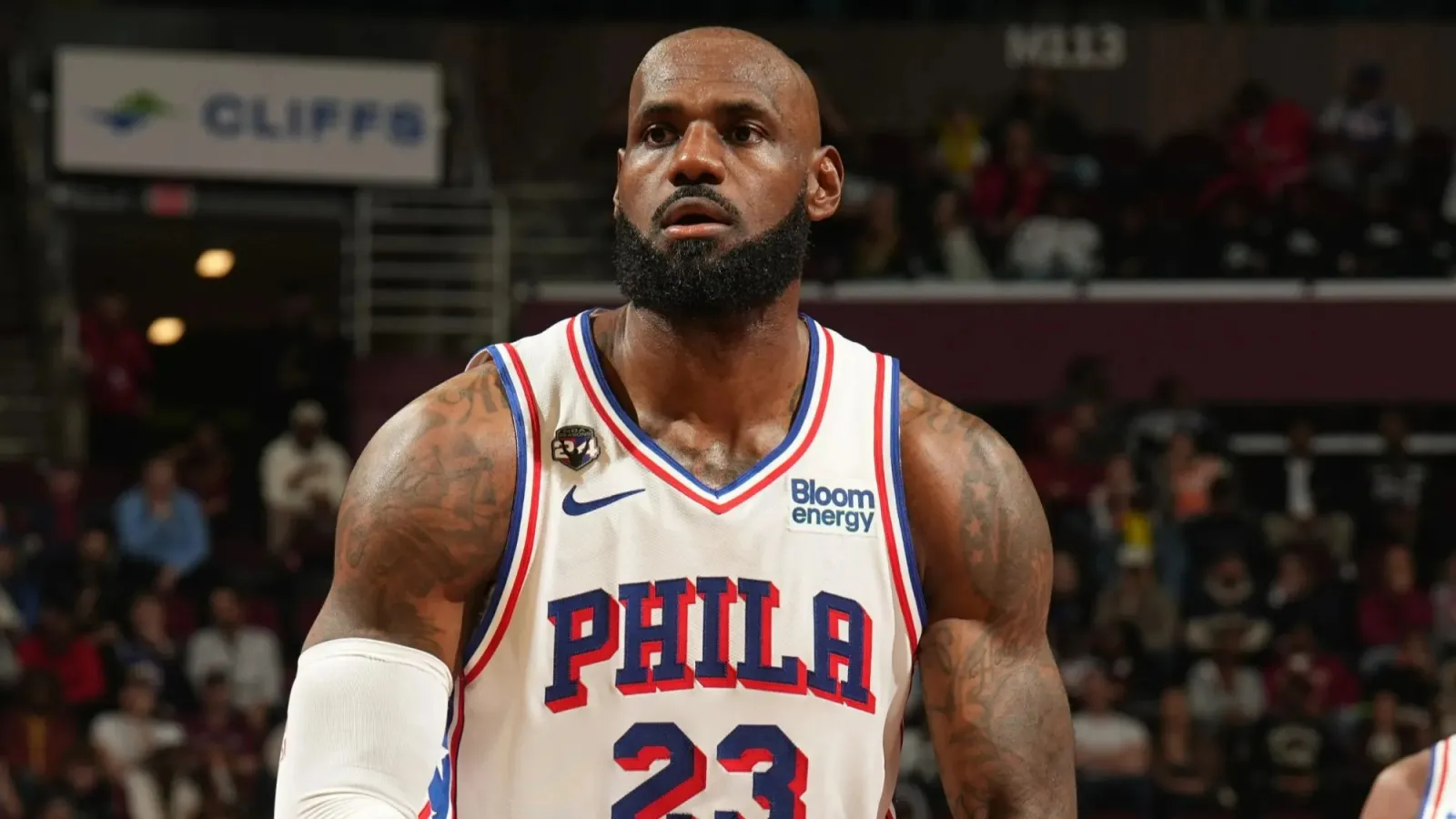
Man Arrested at LeBron James Mansion in Los Angeles
A man has been arrested at the home of NBA legend LeBron James after claiming to be his son. Security at the star property in Los Angeles contacted law enforcement regarding an intruder on the premises. The Los Angeles Police Department responded to the residence and took the suspect into custody on allegations of stalking.
Law enforcement sources indicated that the security team noticed an unknown individual via surveillance cameras lurking around the grounds. The incident unfolded around 9pm on Friday night. Officers arrived promptly and secured the suspect without further incident, though the motive and full extent of the intrusion remain under official review.
Details of the Security Breach and Suspect
The suspect, identified by police sources as a 41-year-old male, made unusual claims during his interview with officers. He insisted repeatedly that he was the son of the professional basketball player. Authorities confirmed that the unnamed suspect did not manage to break into the main structure of the home itself.
It remains unclear whether Savannah James or any other family members were present inside the residence at the time of the security breach. High-profile athletes frequently employ comprehensive private security measures to protect their households from trespassers and stalkers, which played a direct role in intercepting this suspect before he could reach the dwelling.
Where LeBron James Was During the Incident
While the security team dealt with the trespasser in California, the professional athlete was hundreds of miles away. LeBron James was playing an away game against the Cleveland Cavaliers in Ohio on Friday night. The timing of the incident coincided with a challenging professional fixture for the veteran forward.
The basketball star is a father of three children, none of whom were reported to be involved in the security situation at the Los Angeles property. Private security personnel maintain constant vigilance over such estates, ensuring that alerts are transmitted immediately to local law enforcement agencies regardless of the homeowner's physical location.
Difficult Night on the Court in Cleveland
The match in Ohio marked a shocking return to Cleveland for the veteran player. This trip occurred for the first time since he signed with Philadelphia in the off season, rather than returning for a third stint with the Cavaliers. The transition has drawn immense media attention and fan scrutiny throughout the current basketball calendar.
During the game, the visiting team suffered one of their most difficult defeats of the season. The Cavaliers defeated the 76ers by a score of 119-95. The performance stands out as a rare difficult outing for the experienced competitor, who struggled to find his usual scoring rhythm on the court.
Rare Low Scoring Performance for the NBA Veteran
In the course of the game against Cleveland, the forward managed to score only 8 points. This statistic represents a stark departure from his usual offensive output. It was only the 10th time in his decades-long career that the NBA star failed to score double digits in the regular season.
Speaking to reporters after the final buzzer, the player offered a candid assessment of his performance. He said, I definitely did not feel like I was in a good rhythm offensively. He added, I know I damn sure wasn't good at all.
Understanding Athlete Security and Stalking Laws
High-profile professional athletes often face unique security challenges, including obsessive fans and trespassers. Residential security systems rely on closed-circuit television cameras, motion sensors, and trained personnel to detect unauthorized individuals early. When trespassers are spotted, protocols dictate an immediate call to municipal police departments to handle the apprehension.
Stalking and trespassing laws carry serious legal consequences in California. Law enforcement agencies treat intrusions at private residences with high priority to ensure the safety of occupants and prevent escalation. Investigations into such suspects typically involve evaluating mental health history, prior communications, and any past attempts to contact the public figure.