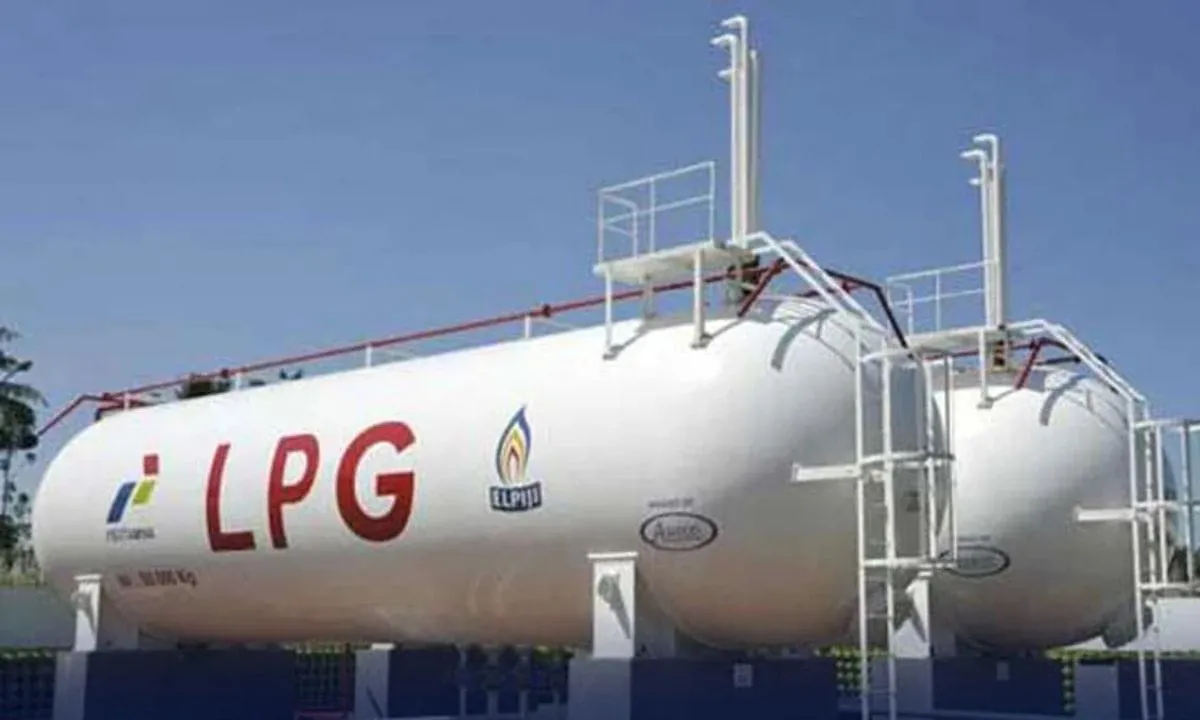
Ministry Documents Reveal Extent of Substandard LPG Bowsers
More than 800 of the roughly 2,000 liquefied petroleum gas bowsers operating across the country do not meet required standards, according to Ministry of Petroleum documents that outline new LPG policy guidelines. This alarming figure highlights long-standing safety concerns within the domestic energy transport sector, where heavy vehicles move volatile fuel across national roadways without adequate oversight. The revelation forms a central pillar of the newly drafted policy framework aimed at overhauling safety protocols, modernizing infrastructure, and tightening regulatory enforcement across the entire supply chain.
The operation of substandard transport vehicles poses severe risks to public safety, infrastructure, and environmental standards. Transporting pressurized gas requires rigorous engineering specifications to prevent leaks, structural failures, and catastrophic accidents during transit. With nearly half of the active fleet failing to meet official criteria, regulators face an urgent challenge to bring these operations into compliance or remove unsafe units from service before further incidents occur.
How the New Hydrocarbon Testing System Will Work
To address quality concerns at the border, the policy mandates that a hydrocarbon testing system will be set up at entry points to check the quality of imported LPG. This testing infrastructure aims to prevent substandard fuel from entering the domestic market, ensuring that shipments arriving from abroad match national safety and energy content specifications before distribution begins.
The target is to complete the system by June 30, 2027. Establishing this testing framework requires coordinated efforts among trade authorities, customs officials, and energy regulators to install specialized laboratory equipment and train personnel stationed at key import corridors.
Role of the Oil and Gas Regulatory Authority in Safety Audits
Alongside border testing, the Oil and Gas Regulatory Authority (OGRA) will also conduct regular audits of licensed companies, covering their sales, storage facilities, cylinders, and filling capacity. These mandatory inspections are designed to hold commercial operators accountable and ensure that local distribution networks adhere strictly to established safety codes.
Regular audits provide regulators with a mechanism to monitor operational integrity across thousands of storage depots and retail filling points. By checking cylinder integrity and storage volumes directly, authorities can detect unauthorized practices, reduce the circulation of damaged containers, and penalize firms that fail to maintain safe operating standards.
Expanding LPG Storage and Import Infrastructure at Port Qasim
The policy also includes a plan to expand LPG storage and import facilities to meet growing domestic demand and reduce supply bottlenecks. It proposes a new LPG terminal at Port Qasim with a capacity of 40,000 metric tons, representing a major enhancement to the national maritime energy receiving capability.
The development of this facility is structured in distinct stages to manage capital expenditure and operational rollout efficiently. Specific operational parameters for the initial phase include:
- The first phase would provide storage for 10,000 to 12,000 metric tons.
- Land and a berth would be allocated for the project to facilitate immediate construction.
- A proposal to give the new terminal access to the jetty of Sui Southern Gas Company (SSGC) is also under consideration.
- To allow ships of 25,000 deadweight tons to arrive, dredging of the shipping channel will be reviewed.
Reforming Pricing Structures and Profit Margins
Beyond physical infrastructure and safety checks, the policy changes the way prices are set and the way company profits are determined. Under the revised framework, the import price will include freight, insurance, import premium, other costs, and taxes, providing a transparent breakdown of all expenses associated with foreign procurement.
Meanwhile, local LPG producers will be paid a fixed price, and any additional amount will be deposited in a fund account. This mechanism balances domestic production incentives with market stability, ensuring fair compensation while preventing excessive pricing anomalies in the domestic market.
New Freedom for Importing and Marketing Companies
Importing and marketing companies are proposed to be allowed to set their own profit margins and freight charges. This shift introduces competitive market dynamics into the distribution sector, giving private firms the flexibility to adjust pricing based on operational expenses and supply chain logistics.
In addition to commercial reforms, state-owned companies will also be able to sign agreements for government-level LPG imports. This provision enables public sector entities to secure large-scale bilateral energy deals, ensuring stable supply chains and bolstering national energy security through direct diplomatic and economic channels.