Capital Development Authority Pledges Clear Service Timelines for Traders
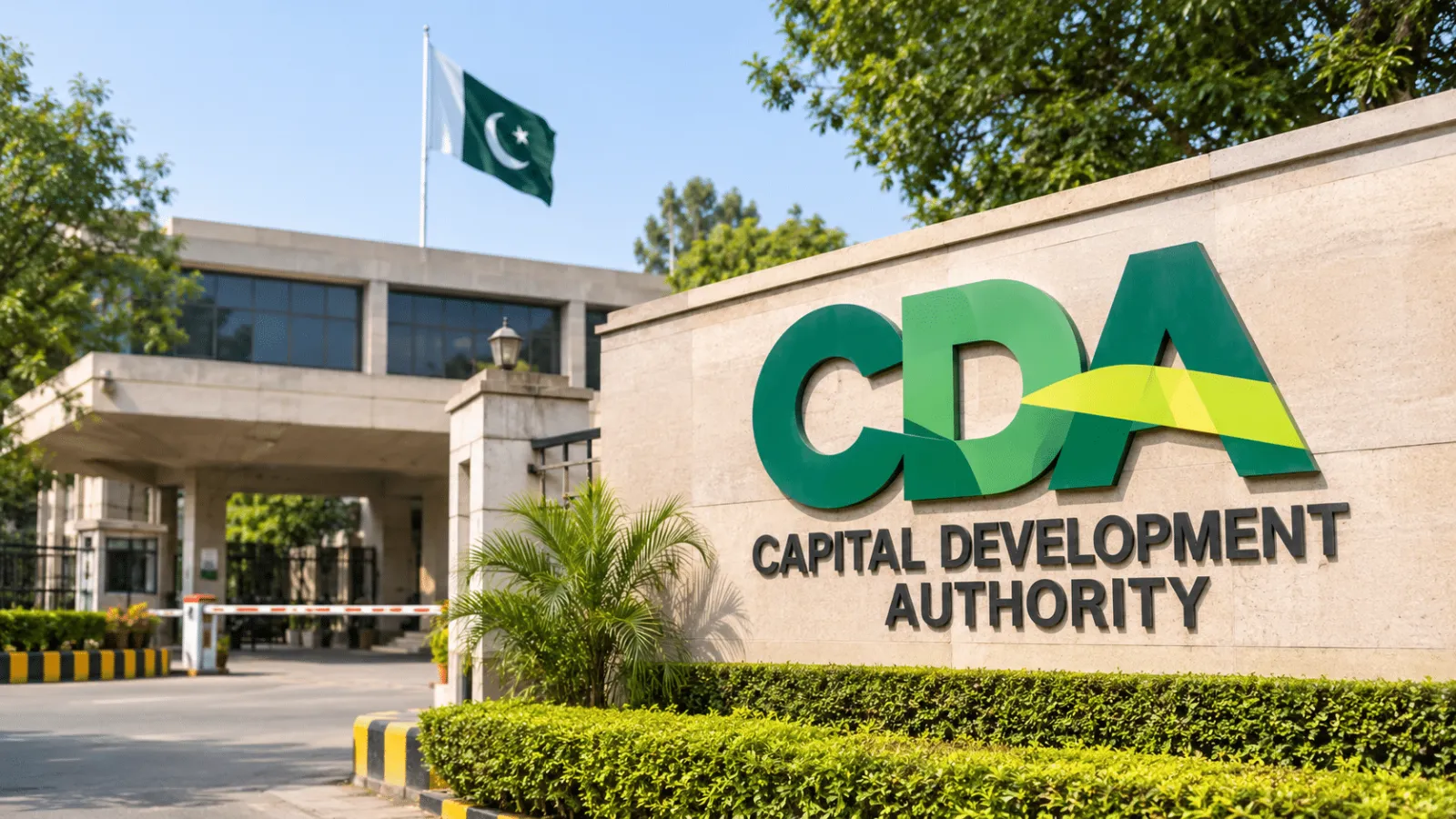
The Capital Development Authority has assured the Islamabad business community that it will share service delivery timelines through its One Window operations, as traders and the civic body agreed to strengthen coordination on issues facing businesses.
During a visit to the Islamabad Chamber of Commerce and Industry on Thursday, CDA Director One Window Operations Chaudhry Abdul Rauf stated that the authority was moving toward a fully cashless system in Islamabad, with November 30 set as the target for completing the implementation process.
This commitment aims to resolve longstanding administrative delays that local business owners and property holders have encountered when dealing with municipal paperwork. Clear processing deadlines are expected to create a more predictable environment for commercial enterprises operating within the capital territory.
How the CDA One Window Operation Functions
The One Window Operation serves as the central administrative hub for citizens and business operators interacting with the municipal administration. Chaudhry Abdul Rauf noted that approximately 24 to 25 public services were being provided through this facility under designated processing timelines.
Administrative processes managed through this window include property transfers, No Demand Certificates, and various No Objection Certificates required for commercial operations. By concentrating these functions into a single administrative unit, the authority intends to reduce the need for applicants to visit multiple municipal offices.
Despite these existing structures, business representatives have frequently reported operational friction. The ongoing administrative updates are designed to streamline these interactions and establish accountability within municipal departments.
Development of a New Digital Portal for Applications
To modernize municipal interactions, Rauf said a new digital portal was being developed to facilitate online submission of applications, case tracking, and timely communication of objections.
The upcoming digital infrastructure will allow applicants to monitor the status of their files remotely, reducing physical visits to municipal offices. Efforts are also underway to introduce an online facility for submitting applications directly from homes and offices.
Additionally, communication channels such as SMS notifications are being upgraded to ensure that citizens and business owners receive immediate updates regarding any objections raised against their paperwork.
Current Turnaround Times for Municipal Services
Existing administrative procedures already feature specific processing windows for select services. A four-day timeline has been prescribed for residential No Demand Certificates, according to municipal officials.
Furthermore, applications involving no legal or administrative complications have been processed within a single day, including property transfer formalities. The authority intends to document and distribute these benchmarks to the chamber of commerce so members can plan their administrative filings accordingly.
Clear benchmarks allow applicants to identify unusual delays and seek administrative intervention when files remain unprocessed beyond the official period.
Transition to Cashless Payments by November 30
The civic body has introduced a cashless payment mechanism through electronic challans, replacing conventional procedures to ensure faster and more transparent transactions. This digital payment shift forms a core component of the municipal modernization strategy.
Rauf said the authority was embracing modern technology to make public services more accessible, transparent and efficient, with November 30 established as the final target for completing the implementation process across all departments.
Eliminating physical cash transactions reduces administrative vulnerabilities and aligns municipal revenue collection with contemporary financial standards.
Business Community Demands Accountability and Better Coordination
During the consultative session, ICCI President Mohammad Zikria Akbar Zia emphasized the importance of close institutional coordination between ICCI and CDA, saying effective liaison could help identify administrative bottlenecks, address public grievances, and promote a more responsive civic service system.
ICCI Senior Vice President Mohammad Ashfaq Hussain Chatha noted that despite the One Window facility, businesspeople still faced delays in property transfers and issuance of NOCs. He stressed that every service should have a clearly defined processing timeline, with applicants informed in advance to ensure transparency.
ICCI Vice President Mohammad Waqas Khan Swati added that timely communication with applicants was essential, and that any objection raised against an application should be immediately communicated through SMS so deficiencies could be addressed without delay.