Rawalpindi Administration Plans Murree Vehicle Entry Limits for Snowfall
The Rawalpindi divisional administration has directed authorities to regulate vehicle entry into Murree during expected snowfall to prevent traffic congestion and ensure the safety of tourists and residents.
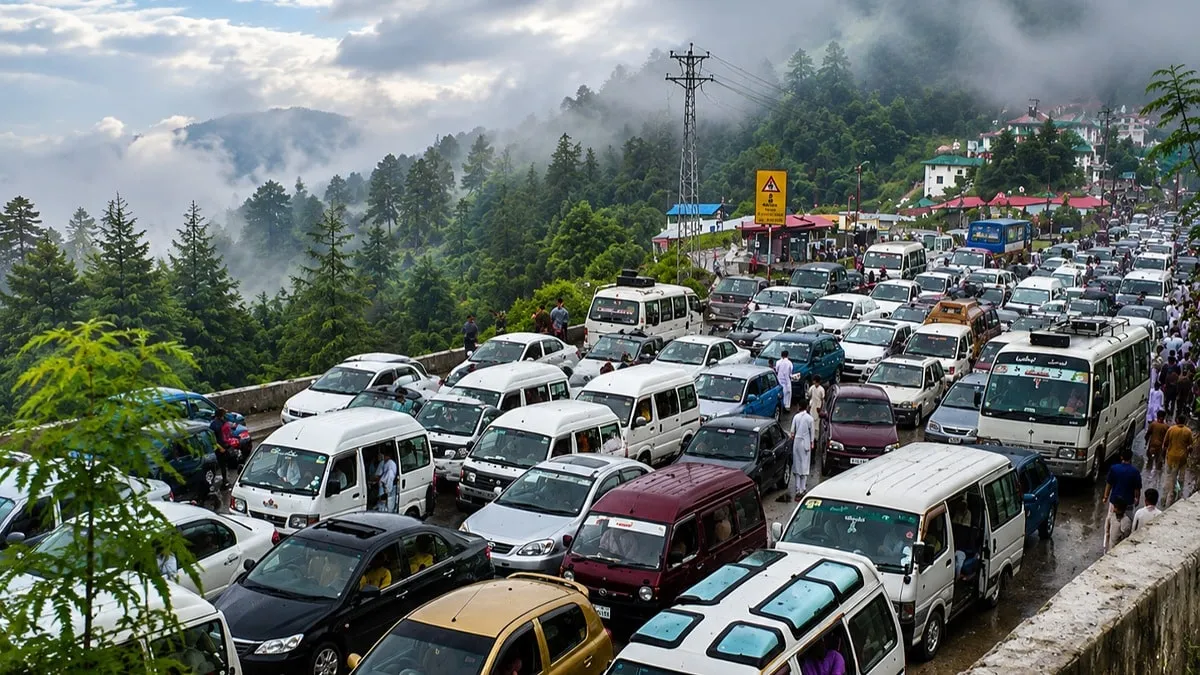
Winter tourism in the hill station frequently brings massive visitor influxes, leading to severe gridlocks on narrow mountain roads. By capping incoming traffic at the station capacity, officials hope to avoid past crises where thousands of vehicles remained trapped in freezing temperatures.
The instructions were issued during a meeting chaired by Rawalpindi Commissioner Salman Ghani and Regional Police Officer (RPO) Babar Sarfraz to review winter weather preparations.
How Traffic Police Will Manage Tourist Vehicles in Murree
The commissioner directed traffic police to develop a comprehensive plan to manage tourist traffic and ensure that the number of vehicles entering Murree does not exceed the area's available capacity.
Managing vehicular load requires coordination across various entry checkpoints leading up to the hill station. Authorities will monitor the exact count of cars and buses moving upward and restrict further entry once parking spaces and roadways reach their limit.
Authorities were also instructed to keep tourists informed about changing weather and road conditions through social media and other communication channels.
Real-time updates allow travelers to alter their schedules before reaching congested zones, reducing the likelihood of sudden bottlenecks during heavy snow flurries.
Emergency Equipment and Snow-Clearing Machinery on Standby
To prevent road closures, snow-clearing machinery, salt supplies, and personnel will remain on standby at key locations. The commissioner directed officials to immediately deploy machinery to clear blocked roads and keep main highways and connecting routes accessible.
Heavy snow accumulation often paralyzes transit routes if plows and salt spreaders are not positioned strategically beforehand. Having equipment ready at vulnerable mountain bends ensures rapid clearance as soon as precipitation starts.
A control room will operate around the clock, with representatives from relevant departments available to coordinate operations and respond to emergencies.
Centralized monitoring helps different agencies share information quickly, ensuring that police, rescue workers, and highway crews act in unison when weather conditions deteriorate.
Coordination Among Rescue 1122, Police, and Health Authorities
Rescue 1122, police, Civil Defence, health authorities, and the Highway Department have been directed to keep emergency personnel, ambulances, medical facilities, and rescue equipment ready throughout the snowfall period.
Medical emergencies and minor accidents tend to increase during winter weather events due to slippery surfaces and freezing temperatures. Keeping medical staff and ambulances stationed nearby guarantees prompt assistance for anyone injured or suffering from exposure.
The administration will also make advance arrangements to maintain essential services, including electricity, water, and food supplies.
Power outages and supply line disruptions are common hazards during severe winter storms in mountainous regions. Stockpiling resources and ensuring backup utility systems protect both local residents and stranded visitors from prolonged hardship.
Senior Officials Field Deployment During Winter Weather
Senior officials have been instructed to remain in the field during snowfall to oversee preparations and ensure a timely response to emergencies.
Direct supervision by high-ranking administrators ensures that field personnel follow protocols strictly and address emerging problems without bureaucratic delays. This proactive stance aims to keep transit corridors open and maintain public order throughout the winter season.