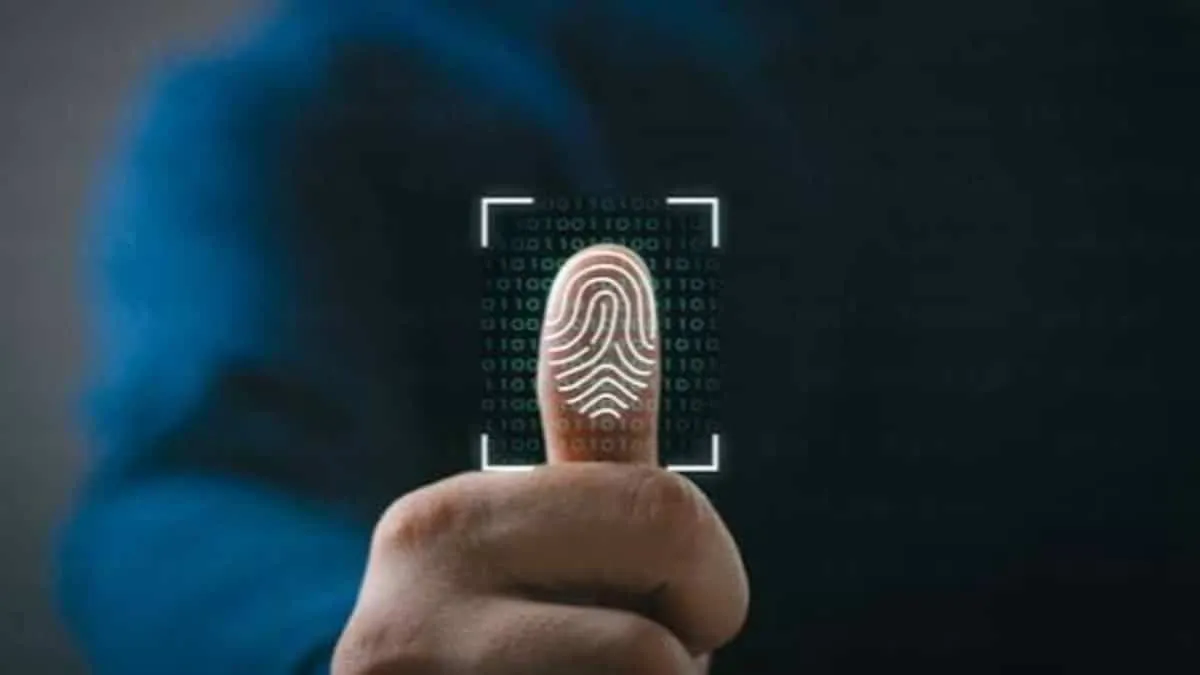
NADRA Introduces Biometric Verification at Union Councils in 23 Districts
The National Database and Registration Authority has introduced biometric verification at Union Councils in selected districts across Pakistan to make the registration of births, deaths, marriages and divorces more transparent. This administrative update marks a major shift in how local government bodies process foundational life events for citizens. By embedding biometric checks directly into the grassroots administrative tier, the authority seeks to overhaul legacy paper-based recording methods that have historically remained vulnerable to manipulation.
Under the new system, applicants will have to complete biometric verification before their certificates are issued. The initiative aims to prevent the issuance of fake, fraudulent or bogus certificates and improve the transparency of civil registration records. Citizens seeking legal documentation for vital life milestones must now present themselves for fingerprint authentication, ensuring that records correspond directly to verified citizens within the national database.
Geographical Scope Across Four Provinces
The facility has been introduced in selected districts across Punjab, Sindh, Khyber Pakhtunkhwa and Balochistan. In Punjab, the selected districts include Rawalpindi, Jhang, Bahawalnagar and Sheikhupura, while Peshawar has been included in Khyber Pakhtunkhwa. This phased rollout allows administrative teams to test system reliability and network connectivity at local government offices before considering a wider national expansion.
In Sindh, the initiative covers Karachi East, Karachi West, Hyderabad, Tando Allahyar, Sukkur, Ghotki, Larkana, Qambar Shahdadkot, Shaheed Benazirabad, Naushahro Feroze, Mirpurkhas and Tharparkar. These urban and rural locations represent a diverse testing ground for the new technology, addressing high-volume metropolitan centers as well as remote agricultural communities where document fraud carries severe legal and social implications.
In Balochistan, biometric verification has been introduced in Quetta, Naseerabad, Jaffarabad, Kalat, Sherani and Zhob. NADRA has advised citizens to contact its helpline at 1777 or visit its official website, www.nadra.gov.pk, for further information. Local administrators expect these measures to streamline public service delivery while cutting off pathways for illegal identity acquisition.
Understanding Civil Registration and Vital Statistics
Civil registration systems form the backbone of modern state administration, tracking population changes and establishing legal identities from birth to death. Vital events such as births, deaths, marriages and divorces dictate legal rights, inheritance claims, educational enrollment, and passport issuance. When these foundational documents are compromised by fraudulent entries, the integrity of the entire national database suffers, creating systemic security vulnerabilities.
Historically, Union Councils operated with minimal technological integration, relying on manual record books and physical signatures. This decentralized approach made it difficult to cross-reference entries with central population registers, leaving room for unauthorized registrations. Integrating biometric verification bridges the gap between local municipal offices and the central national identity repository, ensuring that every registered event ties back to an authenticated citizen.
The Role of NADRA in National Security and Administration
Established to manage citizens' identities, the National Database and Registration Authority maintains one of the largest multi-biometric databases in the world. Over the past two decades, the organization has expanded its mandate beyond standard national identity cards to secure various facets of public administration. By taking charge of civil registration linkages, the authority helps eliminate discrepancies between municipal records and federal databases.
Securing the issuance of birth and marriage certificates prevents identity theft, illegal immigration, and property fraud. Fraudulent birth certificates often serve as stepping stones for acquiring genuine identity documents under false pretenses. By enforcing biometric checks at the point of origin, the state neutralizes these security risks before they infiltrate higher levels of bureaucracy.
Impact on Citizens and Local Government Offices
For everyday citizens, the new requirement introduces an extra step when registering family milestones, but it guarantees the authenticity of documents required for legal proceedings, schooling, and travel. Individuals visiting Union Councils in the 23 designated districts must anticipate fingerprint verification during their interactions with local registrars. While minor adjustments to office workflows are expected, the long-term benefit lies in possessing tamper-proof certificates recognized universally by state institutions.
Local government employees at Union Councils receive support to adapt to the new digital infrastructure. The integration requires reliable internet connectivity and functional biometric scanners connected to central servers. Administrative departments work to ensure that technical glitches cause minimal disruption to families seeking timely documentation for births, deaths, marriages, or dissolutions.
What Comes Next for Civil Registration Across Pakistan
As the initial rollout progresses through the 23 selected districts, monitoring teams will evaluate system performance, processing times, and public feedback. The findings from Punjab, Sindh, Khyber Pakhtunkhwa, and Balochistan will dictate the roadmap for expanding biometric verification to remaining districts nationwide. Citizens residing outside the current pilot zones should monitor official updates from the authority regarding future implementation phases in their respective localities.
Public awareness campaigns remain crucial as the transition unfolds. Authorities encourage applicants to use official communication channels, including the 1777 helpline and the web portal, to verify district-specific requirements before visiting local offices. Through sustained technological upgrades, the state moves closer to establishing a fully transparent civil registration network that safeguards the legal identity of every citizen.