Understanding the Alishba Noor AI Lawyer Controversy
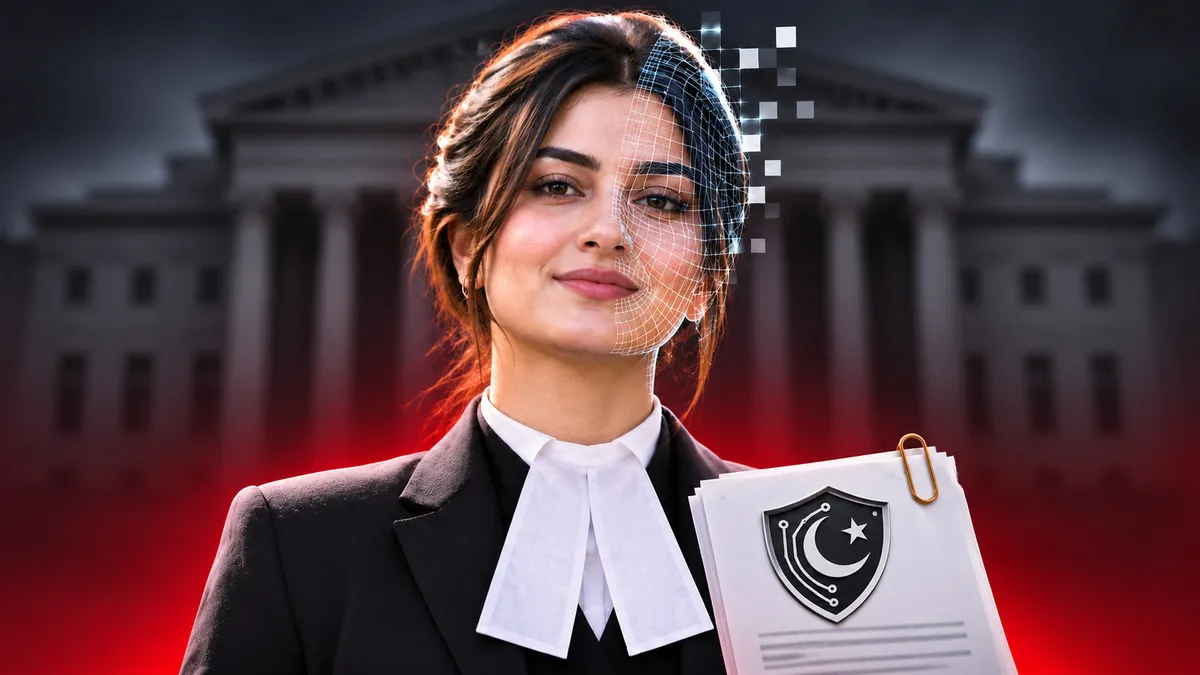
An official complaint has been submitted to the NCCIA regarding an overnight internet personality known as Alishba Noor, who was revealed to be a completely fake, artificial intelligence generated lawyer. The emergence of this fictional persona has sparked intense discussions regarding digital deception, the boundaries of content creation, and the protection of professional standards in the digital age. As social media platforms continue to evolve with advanced generative technology, distinguishing between real individuals and computer-generated avatars becomes increasingly difficult for everyday users.
A practicing lawyer formally lodged the complaint against the anonymous operators behind the Alishba Noor profile. The digital character was engineered using sophisticated artificial intelligence tools and presented to the public as a female legal professional. The fictional persona quickly captured public attention through short-form video content published on TikTok, where she was depicted accompanying well-known Pakistani YouTuber Rajab Butt to court proceedings.
The deceptive social media account rapidly expanded its reach, accumulating hundreds of thousands of followers within a remarkably short timeframe. Despite the high engagement and rapid follower growth, the original profile was eventually suspended by TikTok administrators due to policy violations or authenticity concerns. However, the removal of the primary profile did not halt the spread of the content, as a secondary account emerged shortly afterward and continued publishing the same computer-generated videos.
Audiences can still locate and view these synthetic videos on TikTok, raising ongoing concerns about how quickly digital platforms can replicate and propagate unverified material. Observers point out that viewers must exercise caution, as the character is entirely fictional and the footage is produced through automated digital generation rather than real-world documentation. The persistence of these secondary accounts highlights the technical challenges authorities face when attempting to curb the spread of misleading automated media.
Why the NCCIA Complaint Was Filed
The legal professional who initiated the complaint argues that the creators crossed a serious ethical boundary by using artificial intelligence to fabricate a practicing lawyer. According to the formal filing, the creators manufactured a fictional female identity and deliberately clothed her in the professional attire traditionally reserved for licensed advocates. This presentation misled viewers into believing they were watching a genuine legal practitioner engaged in real-world judicial activities.
The application submitted to authorities asserts that these viral videos severely undermine the professional dignity of the legal community, with a specific negative impact on female lawyers. The complainant stressed that the traditional uniform worn by advocates carries deep symbolic weight, representing professional responsibility, accountability, and public trust. Using this specialized attire to manufacture viral fame or trick online audiences devalues the serious nature of legal practice.
Furthermore, the complaint highlights the deceptive nature of presenting a computer-generated entity as a real human being without providing clear disclaimers. Because the automated nature of the character was concealed, many users interacted with the videos under false pretenses. The formal grievance emphasizes that concealing the artificial origin of such a persona misleads the public and exploits professional symbols for personal or commercial gain on digital networks.
What the Complainant Wants from the NCCIA
The formal request submitted to the NCCIA asks investigators to conduct a thorough inquiry into the viral videos and the network of social media accounts tied to Alishba Noor. Authorities have been tasked with unmasking the anonymous individuals who conceptualized, programmed, and managed the digital avatar. Uncovering the operators behind the screen is the primary objective of the requested investigation.
The application specifically urges regulatory and law enforcement bodies to initiate legal proceedings against the responsible parties if the investigation uncovers any statutory violations. While the current stage involves only allegations rather than proven infractions, the complainant maintains that the misuse of professional standards warrants formal scrutiny. Investigators are expected to examine the precise methods used to distribute the content and the broader fallout for the legal profession.
At this stage, officials have not released any definitive findings regarding the identity of the creators or whether formal charges will be filed. The allegations remain under review as regulatory bodies determine the appropriate scope of an inquiry into synthetic media misuse. Observers and legal professionals across the region are closely watching how authorities handle this novel intersection of artificial intelligence, digital impersonation, and professional ethics.
The Broader Impact of AI-Generated Avatars on Social Media
The rapid rise and subsequent backlash surrounding the Alishba Noor account illustrate the growing societal friction caused by hyper-realistic artificial intelligence tools. Content creators now possess the technical capability to generate convincing human likenesses, placing them in realistic settings such as courthouses alongside real celebrities. This capability blurs the line between documented reality and digital fiction, creating new challenges for platform moderation and legal regulation.
Digital safety advocates and legal scholars frequently warn that unlabelled synthetic media can be weaponized to spread misinformation, damage reputations, or impersonate professionals without consent. When viewers cannot trust that a person in a video actually exists, public discourse and institutional credibility face new vulnerabilities. The legal profession, in particular, relies heavily on public perception of integrity and formal authority, making the unauthorized use of its symbols a sensitive matter.
As social media companies grapple with enforcement policies against deceptive automated accounts, public awareness remains a primary defense against digital manipulation. Users scrolling through short-form video feeds are increasingly forced to question the authenticity of what they see, especially when accounts showcase extraordinary scenarios or overnight sensations. The ongoing examination of the Alishba Noor case serves as a prominent test case for how legal and regulatory systems will address the proliferation of unverified synthetic characters.