Prime Minister Shehbaz Sharif Declares End of LPG Mafia Control
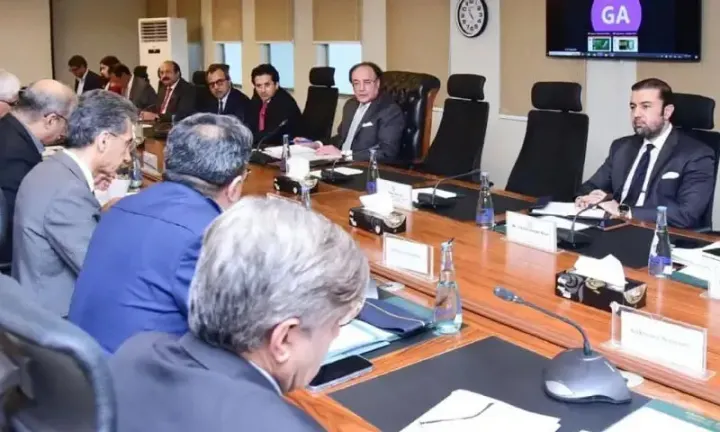
Prime Minister Shehbaz Sharif has declared the end of the LPG mafia, saying the groups that made billions of rupees from the trade for decades no longer control it. Speaking at a federal cabinet meeting on Wednesday, the Prime Minister emphasized that a new era of transparency and fair competition has begun for the liquefied petroleum gas sector in Pakistan, according to a video shared by the Government of Pakistan. He outlined sweeping changes to how the fuel is imported, distributed, and priced across the country.
The announcement addresses long-standing complaints about market manipulation, artificial shortages, and exorbitant prices that forced ordinary citizens to pay far above official rates. By bringing state-owned enterprises into the import supply chain and replacing discretionary quotas with open auctions, the federal government aims to dismantle the entrenched networks that profited from the previous system. The Prime Minister noted that imports and supply would now be handled with competition and transparency, with state-owned companies such as PSO and PARCO bringing in the fuel.
Upcoming Auctions and Transparency Measures
Implementation of the new framework begins immediately with concrete steps designed to eliminate backroom deals. He added that the first auction of locally produced LPG will be held next week under camera supervision, while importing companies will post their landed costs on their websites.
Camera surveillance during the auction process represents a direct effort to prevent collusion among buyers. Requiring importers to publish their landed costs online ensures public scrutiny of pricing structures, making it difficult for intermediaries to inflate costs arbitrarily. These measures form the backbone of the reform package approved by the federal cabinet to clean up the energy supply chain.
How the New Import and Distribution System Works
Under the new LPG policy approved by the cabinet, four state-owned firms, PSO, Pakistan LNG, SSGC-LPG and PARCO-LPG, will resume imports through government-to-government and business-to-business deals. They have received supply offers from Saudi Arabia and Oman.
Engaging state entities in direct government-to-government and business-to-business negotiations secures stable supply lines from major international producers in the Middle East. This diversification reduces reliance on private intermediaries who previously dominated import channels. The discretionary quota system, which benefited influential groups, is being abolished. Local producers will sell LPG through open auctions in lots of five to 10 tonnes, monitored by OGRA and the Petroleum Division.
Breaking local production into manageable lots of five to 10 tonnes allows smaller distributors to participate directly in auctions rather than leaving the market in the hands of a few powerful players. Regulatory oversight by the Oil and Gas Regulatory Authority and the Petroleum Division ensures compliance with the new rules. Furthermore, the base price will be linked to Saudi Aramco's monthly contract price, and OGRA will stop issuing LPG price notifications.
What the New Policy Means for Consumers and Prices
The structural overhaul directly targets the financial burden placed on households that rely on cooking gas cylinders. The PM said the profit from the auctions will go to the national treasury and be used to subsidise LPG for ordinary people. Under the policy, that money goes into a fund for BISP-eligible households.
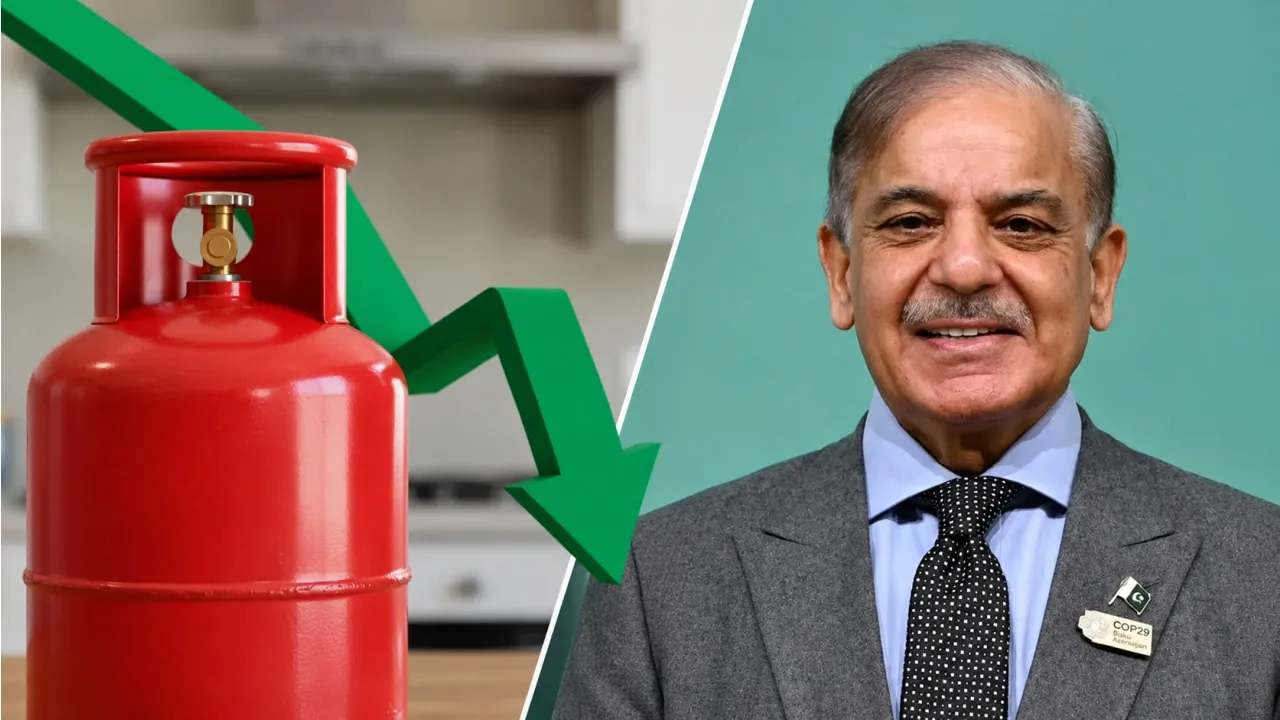
Directing auction profits to families registered under the Benazir Income Support Programme ensures that vulnerable segments of the population receive targeted financial relief. The change comes after cylinder prices shot up to as much as Rs. 7,200 in the open market, more than double OGRA's notified rate of Rs. 3,296. If the auctions and imports increase supply, the gap between official and market prices should narrow.
Background on the LPG Market Crisis
The decision to overhaul the sector follows years of market distortion where official price caps failed to protect consumers. Private cartels frequently exploited supply bottlenecks to hoard cylinders and dictate inflated prices in remote and urban areas alike. With OGRA stepping back from issuing price notifications and relying instead on market-driven auctions linked to international benchmarks, pricing is expected to reflect actual supply and demand realities.
The involvement of state giants like Pakistan State Oil and PARCO brings operational capacity and financial strength that smaller private importers lacked. These public sector corporations possess the infrastructure required to handle bulk shipments safely and efficiently. Observers will monitor next week's inaugural camera-supervised auction closely to gauge market response and verify whether supply volumes begin to ease consumer pressures.