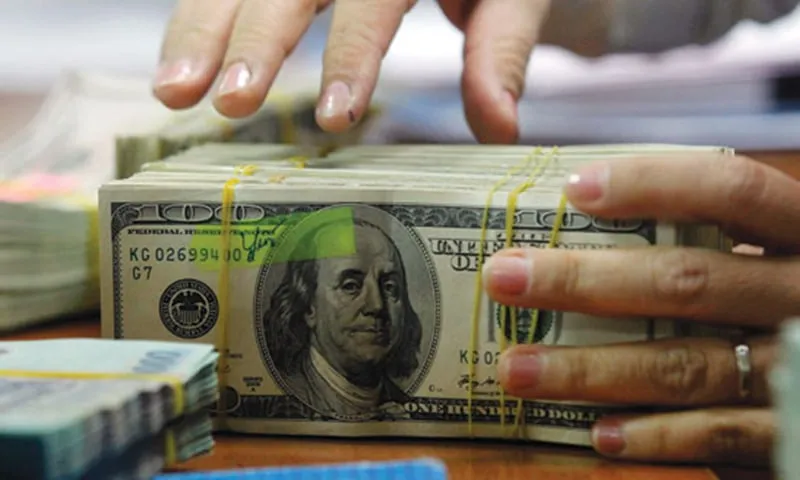
The Pakistani rupee (PKR) closed in green against the US Dollar (USD) for the 277th consecutive day on Thursday, ending the session at 276.67 after gaining three paisas.
Since December 25, 2025, the rupee has consistently reported gains against the dollar, and the latest movement represents the largest weekly increase in that period.
What the Numbers Show
Official rates released by the State Bank of Pakistan for the four days from 02-Nov-2026 to 05-Nov-2026 illustrate a steady decline in the number of rupees needed for one US dollar. The rate fell from 276.7219 on 02-Nov to 276.6701 on 05-Nov, a change of 0.0339 rupees.
Other major currencies also moved against the rupee. The euro rose from 311.1260 to 311.0464, a change of 0.0796; the British pound shifted from 373.0109 to 372.8268, a change of 0.1841. The Australian dollar slipped, moving from 193.6651 to 194.0149, a negative change of 0.3498.
How the Rupee Gained Ground
Several factors contributed to the rupee's recent strength. A combination of tighter monetary policy, improved export earnings, and a modest easing of external debt pressures helped stabilize the currency. The State Bank's recent decision to raise the policy rate by 25 basis points signaled a commitment to curb inflation, which in turn boosted investor confidence.
Export data for September 2026 showed a 4.2% increase in textile shipments, Pakistan's largest export sector. Higher foreign exchange inflows from remittances also added to the supply of dollars, easing pressure on the rupee.
Impact on Everyday Pakistanis
For consumers, a stronger rupee translates into lower import costs for essential goods such as fuel, wheat flour and medicines. Retail prices for gasoline, which are linked to the dollar, are expected to see a modest decline in the coming weeks.
Businesses that rely on imported raw materials, particularly in the manufacturing and construction sectors, will benefit from reduced input costs. This could improve profit margins and potentially lead to modest wage adjustments.
What the Table Reveals About Other Currencies
The accompanying table provides daily closing rates for eight foreign currencies against the rupee over the same four-day period. Notable movements include:
- British Pound (GBP): gained 18 paisas overall.
- Australian Dollar (AUD): lost 35 paisas overall.
- Euro (EUR): gained eight paisas overall.
- Canadian Dollar (CAD): gained two paisas overall.
- UAE Dirham (AED) and Saudi Riyal (SAR): each gained one paisa.
These shifts reflect broader regional trends, with the pound and euro strengthening against the dollar, while the Australian dollar weakened due to commodity price fluctuations.
Historical Context of the Rupee's Performance
The rupee's 277-day winning streak began on 25-Dec-2025, following a period of sharp depreciation that saw the rate breach the 300-rupee mark earlier in the year. Since then, the government has pursued a series of fiscal adjustments, including a reduction in the budget deficit from 7.5% to 5.8% of GDP, and a gradual normalization of foreign exchange controls.
Historically, prolonged periods of currency appreciation are rare in Pakistan due to recurring balance-of-payments challenges. The current trend, therefore, marks a notable departure from the norm and is being closely watched by both domestic and international analysts.
What Comes Next
The State Bank of Pakistan is expected to release its quarterly monetary policy review on 15-Nov-2026. Markets will be looking for guidance on whether further rate hikes are planned, and how the central bank intends to manage foreign exchange reserves, which currently stand at approximately $12.3 billion.
Investors should also monitor upcoming trade data for October 2026, as any significant change in export volumes could affect the rupee's trajectory. The government's ongoing negotiations with the International Monetary Fund may introduce additional policy measures that could influence currency dynamics.
Practical Takeaways for Readers
Consumers can expect a slight easing of inflationary pressure on imported goods in the short term. Businesses should review pricing strategies for imported inputs, as the current exchange rate offers a window for cost savings.
Travelers planning trips abroad may find that their Pakistani rupee purchases more foreign currency than before, but should still account for possible fluctuations before finalizing travel budgets.
Overall, the rupee's record weekly rise signals a period of relative stability, but stakeholders are advised to stay informed about policy announcements that could shift the market.