National Cyber Crime Investigation Agency Targets Lahore Petrol Pumps
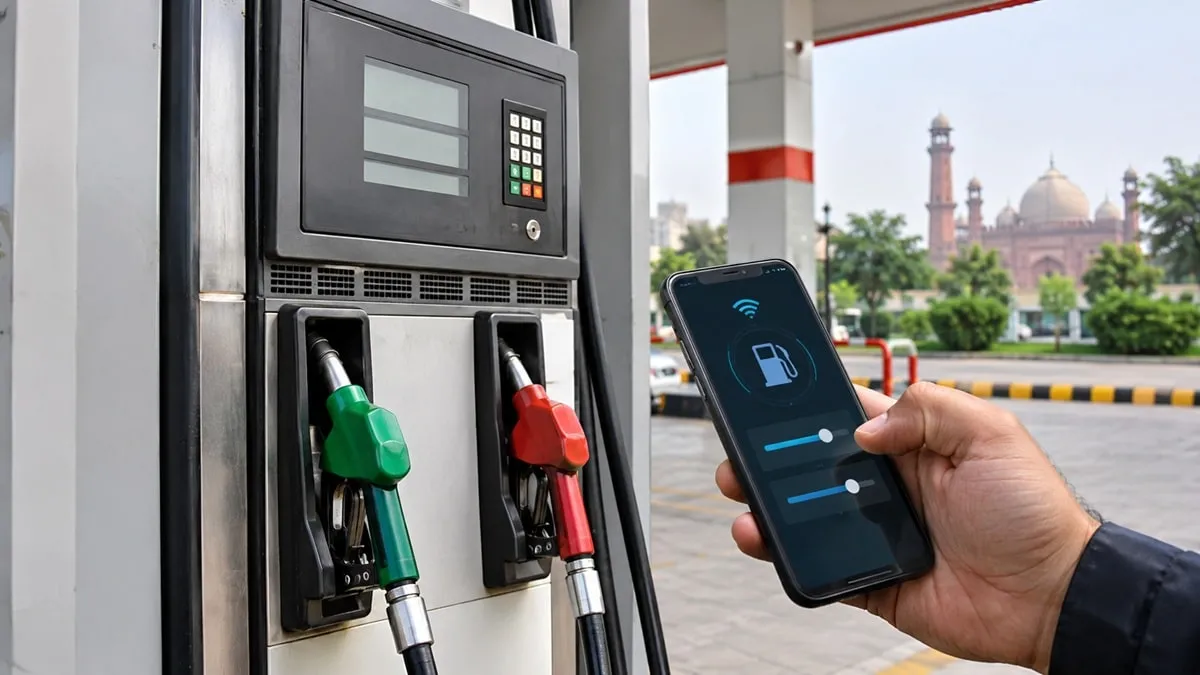
The National Cyber Crime Investigation Agency has launched a major crackdown against fuel station fraud in Pakistan by sealing four petrol pumps in Lahore. Authorities arrested 16 people during the operation, including two pump owners and two app developers, for allegedly manipulating fuel dispensers through a mobile application. This sophisticated method of theft targets everyday motorists who pay for full tanks of fuel while receiving significantly less volume at the nozzle.
Speaking to the media, National Cyber Crime Investigation Agency Additional Director Atif Ameer detailed the nature of the operation. The compromised petrol pumps are located in Johar Town, Cantonment, Gulshan-e-Ravi, and Band Road. According to the agency, these establishments were using the rogue software to dispense 10% to 30% less fuel than customers paid for, directly cheating citizens out of their hard-earned money.
How the Mobile App Fuel Scam Worked
The integration of mobile technology into physical retail infrastructure has created new avenues for illicit operations. In this case, the perpetrators employed custom-built mobile applications to interface with the electronic control units of fuel dispensers. By sending remote commands through the application, operators could alter the calibration of the pumps in real time, ensuring that the meter displayed a full delivery while the physical flow was restricted.
This digital tampering bypasses traditional mechanical checks that inspectors usually rely on during routine visits. The official revealed that similar systems had been installed at several other petrol pumps across Lahore and could not be detected through conventional tracking methods. Because the manipulation is controlled via software rather than physical gears, standard weights and measures inspections often failed to catch the discrepancy, leaving consumers vulnerable to ongoing theft.
Massive Financial Profits and Illicit Gains
The scale of the financial theft uncovered by investigators highlights the lucrative nature of widespread fuel tampering. According to Ameer, the owners of the four petrol pumps earned Rs. 400 million in profit in just one year through this systematic short-changing of motorists. This staggering amount reflects the high volume of daily transactions at busy urban petrol stations in Lahore.
When fuel stations shave off up to 30% of a delivery across thousands of liters sold daily, the accumulated margins quickly escalate into millions of rupees. Consumers bear the direct cost of this fraud, paying for fuel that remains in the underground storage tanks rather than powering their vehicles. The rapid accumulation of wealth by the pump owners served as a primary indicator that triggered closer scrutiny by cyber crime investigators.
Regulatory Action and Asset Freezing Proceedings
Following the raids and arrests, the National Cyber Crime Investigation Agency initiated broader legal and administrative measures to penalize the offenders and dismantle their network. The agency has written to the Oil and Gas Regulatory Authority regarding the fraud and initiated proceedings to freeze the bank accounts of the petrol pump owners involved. Freezing these accounts aims to secure the illicitly gained funds and prevent the suspects from moving their capital offshore or into other ventures.
In addition to financial curbs, Atif Ameer added that the owners would also face travel bans to ensure they remain available for ongoing legal proceedings and interrogation. The involvement of the Oil and Gas Regulatory Authority is crucial for coordinating industry-wide responses, as the regulatory body holds the mandate for licensing and overseeing petroleum marketing companies and retail outlets across the country.
Resource Constraints and Future Enforcement Challenges
Despite the success of the initial raids in Lahore, law enforcement faces significant hurdles in scaling up the operation. However, the agency has been unable to conduct further raids due to limited resources. Investigating software-driven physical infrastructure fraud requires specialized digital forensics tools, cyber experts, and coordinated manpower that stretch current agency capacities.
The discovery of hidden application-based tampering across other locations in Lahore indicates a wider syndicate or service model used by corrupt station owners. Observers and citizens now watch for how regulatory bodies and federal agencies will mobilize additional resources to root out remaining fraudulent pumps. The case sets a precedent for prosecuting digital manipulation of physical meters, signaling a new frontier in consumer protection and cyber crime enforcement in Pakistan.