Punjab Extends Ban on Outdoor Drone Flights
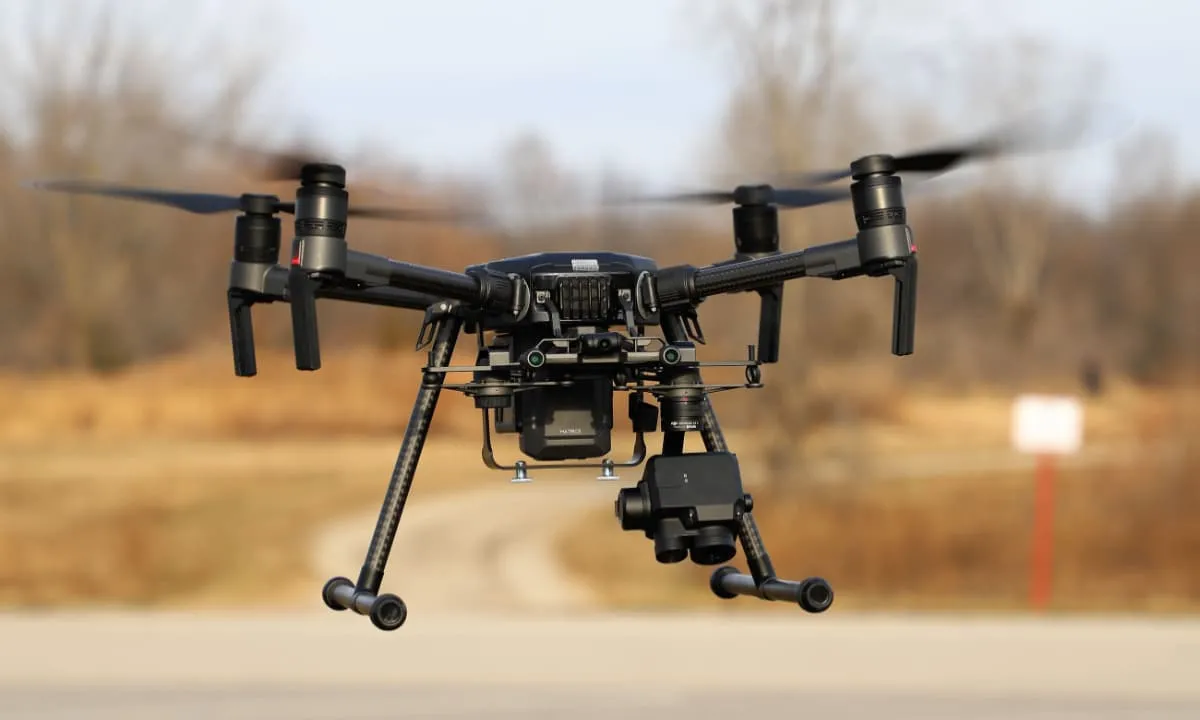
The Punjab government has imposed another 30-day ban on outdoor drone flights across the province under Section 144 due to security concerns. This regulatory action affects commercial operators, hobbyists, and residents throughout the region, restricting the unapproved operation of unmanned aerial vehicles in public spaces. The measure forms part of ongoing efforts by provincial authorities to manage public safety risks associated with the proliferation of remote-controlled aircraft technology.
According to a notification issued by the Punjab Home Department, limited use of small drones will be allowed inside wedding halls and marquees for event coverage, with organizers responsible for ensuring their safe operation. This specific exemption permits indoor photography and videography at private celebrations while maintaining strict oversight of airspace in open outdoor environments. Event planners operating within enclosed venues must take full accountability for any safety incidents involving these devices.
Understanding Section 144 and Security Measures in Punjab
Section 144 of the Code of Criminal Procedure grants district administrations the authority to issue urgent orders in cases of nuisance or apprehended danger. Provincial authorities frequently use this legal instrument to prohibit public gatherings, processions, and the operation of unauthorized devices like drones during periods of heightened security alerts. The recurrent extension of this drone restriction reflects ongoing threat assessments conducted by provincial security apparatuses.
The Home Department said the restrictions have been imposed to ensure public safety and maintain law and order across the province. Law enforcement and intelligence bodies continuously evaluate potential vulnerabilities linked to airborne technology, prompting these administrative interventions. Unregulated drone operations present challenges for local security management, particularly in densely populated urban centers and sensitive rural tracts.
Exemptions for Law Enforcement and Intelligence Agencies
Intelligence and law enforcement agencies have been exempted from the restrictions outlined in the new notification. State security personnel require aerial surveillance tools for counter-terrorism operations, crowd management, and tactical intelligence gathering. These operational exemptions ensure that state bodies retain the capacity to deploy unmanned systems when executing official duties.
The Punjab Home Secretary has directed district administrations and police to ensure strict enforcement of the ban across all constituent districts. Field officers must monitor public spaces and penalize unauthorized operators who violate the Section 144 orders. This administrative mandate places responsibility on local police stations to deter illegal flights and confiscate non-compliant equipment.
Safe Drone Usage Committees for Agriculture and Research
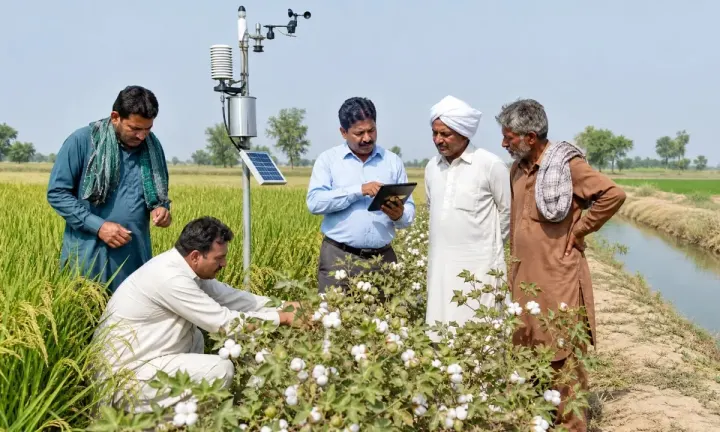
The department has also constituted district-level Safe Drone Usage Committees to regulate drone operations for agricultural, irrigation, and research purposes. These specialized bodies evaluate applications submitted by commercial entities, academic researchers, and farming enterprises seeking to use aerial technology for legitimate economic and scientific activities. The committees serve as a centralized administrative gatekeeper at the local government level.
Individuals and organizations seeking to use drones for these purposes will be required to obtain prior written permission from the relevant committee. Applicants must demonstrate valid operational requirements for farming, crop monitoring, water management, or academic studies before receiving authorization. This procedural requirement balances technological innovation in key economic sectors with necessary security protocols.
Impact on Commercial Operators and Citizens
The continuous extension of these regulatory curbs impacts commercial drone service providers, wedding photographers, and technology enthusiasts operating in the region. Businesses relying on aerial mapping, real estate promotion, and media production face operational hurdles due to the restrictive environment. Companies must navigate the bureaucratic requirements of the newly formed district committees to secure legal clearances for specific projects.
Citizens and event organizers outside the permitted indoor venue exemption must halt recreational flights until the 30-day restriction expires or official policies change. Non-compliance with the directives issued under Section 144 carries legal consequences, prompting local stakeholders to exercise caution. Agriculturalists looking to adopt modern precision farming techniques must coordinate closely with district authorities to secure the necessary written permits.
Background and Future Outlook for Provincial Airspace Regulation
The regulation of unmanned aerial vehicles has evolved significantly as consumer technology becomes more accessible to the general public. Provincial authorities across different jurisdictions increasingly use temporary bans and committee-based oversight models to address security gaps. These administrative frameworks represent a transitional phase in public policy as governments attempt to reconcile civil liberties with modern security demands.
Observers monitoring the situation will watch for future announcements from the Punjab Home Department regarding the potential digitization of permit applications or permanent regulatory frameworks. District-level Safe Drone Usage Committees will play a central role in shaping how agricultural and research sectors integrate aerial tools into their daily operations. Compliance rates and the enforcement efficacy of local police departments over the next 30 days will dictate the trajectory of subsequent administrative notifications.