Punjab Government Approves Major Medical Upgrade for Rawalpindi Hospital
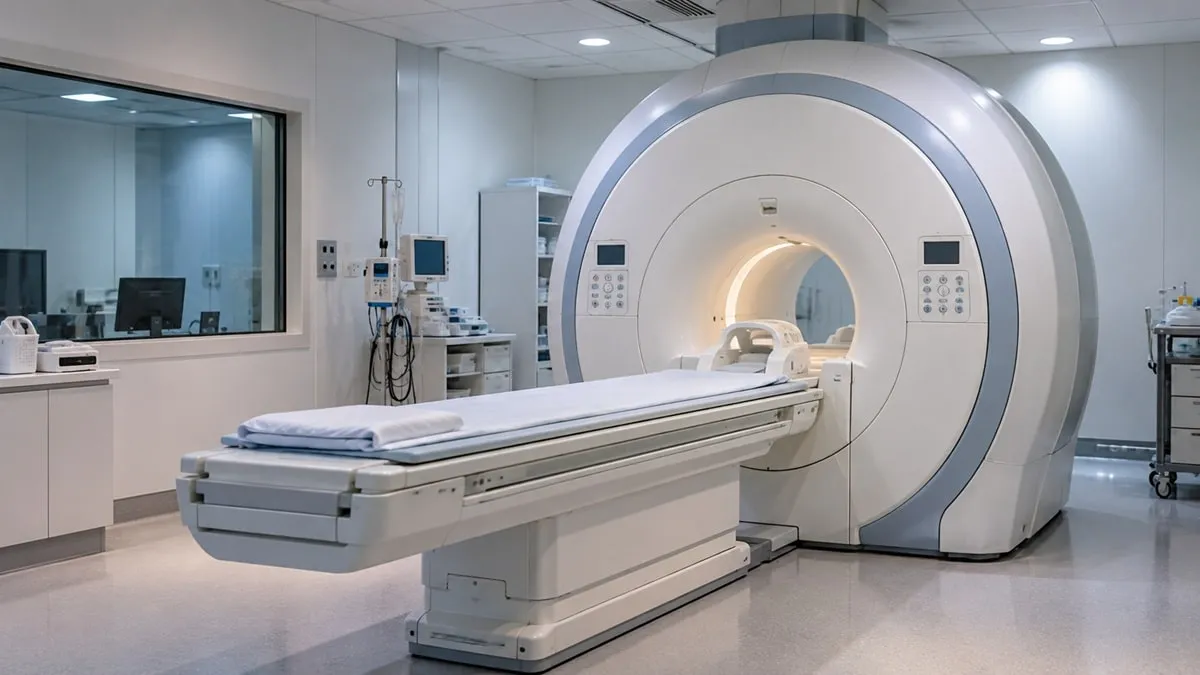
The Punjab government has approved MRI and CT scan machines worth Rs. 800 million for Rawalpindi's Benazir Bhutto General Hospital to improve diagnostic facilities for patients. This funding represents a major financial commitment to public health infrastructure in the region, aimed at addressing long-standing diagnostic bottlenecks that have affected patients seeking advanced medical care.
According to officials, Punjab Chief Minister Maryam Nawaz has approved an MRI machine worth Rs. 500 million, which will become operational by February 2027. The CT scan machine will be installed in June. This timeline outlines the phased rollout of the diagnostic equipment, giving hospital administrators a clear schedule for integrating the new technology into daily clinical workflows.
This will be the first time the hospital, named after former Prime Minister Benazir Bhutto, will have its own MRI facility. For decades, patients admitted to or visiting the facility have had to rely on external arrangements or transfers for magnetic resonance imaging, highlighting a critical gap in the institutional capacity of one of Rawalpindi's primary public healthcare centers.
Understanding the Diagnostic Burden on Rawalpindi Healthcare Facilities
Until now, Holy Family Hospital housed the city's only MRI machine, serving patients from Benazir Bhutto General Hospital and Rawalpindi Teaching Hospital, in addition to its own patients. This centralization placed an immense operational strain on the single machine at Holy Family Hospital, leading to extended wait times for critical scans.
Medical imaging is a cornerstone of modern clinical diagnosis, required for identifying neurological disorders, spinal injuries, soft tissue damage, and complex internal pathologies. When multiple major teaching hospitals depend on a single imaging device, delays inevitably compromise patient management, often forcing families to seek costly private diagnostic services.
The addition of a dedicated Rs. 500 million MRI machine directly addresses this systemic pressure. By distributing the diagnostic caseload across institutions, the health department expects to reduce backlogs and improve the speed of diagnosis for vulnerable populations relying on public sector medicine.
Recent Healthcare Expansions at Benazir Bhutto General Hospital
The approval follows the establishment of an emergency dialysis center at Benazir Bhutto General Hospital earlier this month, equipped with seven new machines to provide treatment to kidney patients. This continuous rollout of specialized medical hardware reflects a broader institutional push to upgrade services at the hospital.
Kidney failure and chronic renal diseases require urgent, uninterrupted intervention, making the new emergency dialysis center a vital addition for emergency admissions. Paired with the upcoming diagnostic imaging equipment, these enhancements transform the hospital into a more self-sufficient medical center capable of handling complex emergency and routine cases under one roof.
Provincial health authorities have emphasized that these upgrades are part of a wider initiative to modernize tertiary care hospitals across Punjab. Ensuring that major regional facilities possess adequate diagnostic and emergency treatment tools is essential for reducing the burden on specialized medical institutes in larger urban centers like Lahore and Islamabad.
What the New MRI and CT Scan Machines Mean for Patients
For everyday citizens, the introduction of the first-ever MRI machine at Benazir Bhutto General Hospital translates to direct financial and logistical relief. Patients who previously faced prohibitive costs at private laboratories will soon gain access to subsidized or free diagnostic scans within a public hospital setting.
The simultaneous addition of the CT scan machine scheduled for June ensures that both rapid trauma imaging and detailed neurological scans are readily available. This dual capability is particularly crucial for emergency departments, where timely scans dictate surgical and medical interventions for accident victims and acute stroke patients.
Local community members and patient advocacy groups have frequently highlighted the shortage of advanced diagnostic tools in public hospitals. The execution of this Rs. 800 million project directly answers those concerns, marking a tangible improvement in the standard of public healthcare delivery available in Rawalpindi.
Next Steps and Operational Timelines for the Project
With the approval secured from the Punjab government, hospital management and procurement departments enter the implementation phase. The immediate priority involves site preparation, infrastructure adaptation, and coordination with technical vendors to ensure the facilities can safely house heavy diagnostic machinery.
The CT scan machine is slated for installation in June, serving as the first major milestone of the project. This will be followed by the more complex installation and calibration of the high-value MRI machine, which requires specialized magnetic shielding and structural reinforcement before becoming fully operational by February 2027.
Health officials will monitor the procurement and installation phases to ensure adherence to timelines and budgetary allocations. As these dates approach, hospital administration will release further operational guidelines for doctors and patients regarding access protocols, scheduling, and diagnostic priorities for the new equipment.