Neuralink Secures FDA Approval for the LINK Trial
Elon Musk's neurotechnology enterprise, Neuralink, has obtained official clearance from the United States Food and Drug Administration to initiate its initial large-scale clinical evaluation. The organization announced this development on Wednesday, November 25, marking a major milestone for its implantable device research. The study, designated as the LINK trial, aims to evaluate whether a compact electronic interface embedded directly into human brain tissue can empower individuals with profound paralysis to operate external computing hardware and mobile phones using solely their internal neural activity. In public statements regarding the authorization, the enterprise characterized the milestone as the inaugural major study for an implantable brain-computer interface within the United States. Furthermore, executives positioned the decision as an essential progression toward eventual commercial availability for the general public, prompting leadership to open participant registration for adults diagnosed with amyotrophic lateral sclerosis across multiple medical centers nationwide.
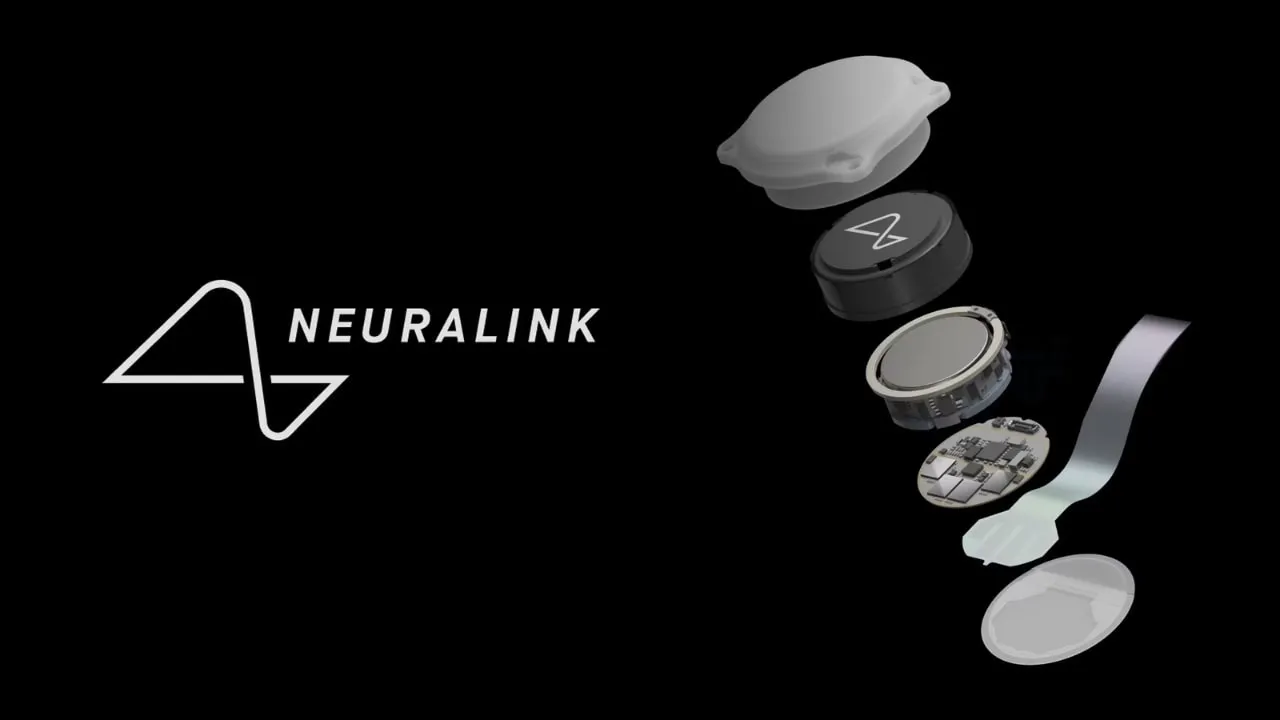
Despite the significance of the regulatory green light, industry observers note that this authorization does not signify immediate commercial readiness or retail availability for the hardware. Instead, the clearance grants the organization permission to execute a rigorous late-stage investigation mandated by federal health authorities prior to considering any wide-scale public distribution. During the surgical procedure evaluated in the research protocol, a specialized mechanical apparatus known as the R1 robot positions a microscopic component called the N1 directly beneath the cranial bone of the participant. Once secured in place, the hardware rests entirely underneath the scalp without any external wiring, capturing neurological impulses through microscopic, flexible threads and transmitting those electrical patterns wirelessly to a nearby digital processing unit.
Understanding Brain-Computer Interfaces and the LINK Protocol
Brain-computer interfaces represent a specialized intersection of neuroscience, biomedical engineering, and advanced computing designed to bridge gaps in the human nervous system. When severe physical trauma, degenerative conditions like amyotrophic lateral sclerosis, or stroke damages the pathways connecting the brain to the limbs, motor signals fail to reach their destinations. Neural interface technology intercepts these electrical intentions directly at the cerebral cortex, translating neural patterns into actionable data that digital screens and machines can interpret. The approach relies on decoding the firing patterns of neurons associated with movement, allowing individuals to execute digital commands through pure intention rather than physical muscle activation.
The newly approved LINK protocol builds directly upon prior investigative phases conducted by the enterprise across the United States, Canada, and the United Kingdom. Prior to this recent authorization, more than thirty individuals received the neural implant, collectively logging thousands of hours of operational testing. Data gathered from these earlier phases demonstrated promising functional capabilities, including an instance where a participant with amyotrophic lateral sclerosis achieved a text entry rate of seventy-five words per minute using only neural signals. To support these extensive research and development operations, the enterprise secured $650 million in funding last year, achieving a valuation of $9 billion during that financing round.
The Competitive Landscape of Neural Technology
While the recent regulatory decision places significant attention on Neuralink, the firm no longer operates in isolation within the neurotechnology sector. Competitors are advancing their own clinical pipelines and human testing schedules. For instance, a rival entity named Paradromics successfully implanted its proprietary neural device into a participant at a domestic medical facility in June. International competitors are also moving quickly to establish market presence, with regulatory authorities in China authorizing the world's first commercial neural implant in March through a corporate entity based in Shanghai. Since that domestic approval, the government in Beijing has actively worked to establish international governance standards for neural interface technology.
The global push to commercialize neural implants has evolved into a prominent technological contest primarily involving American and Chinese entities. Although Neuralink maintains advantages in patient trial volume and venture capital backing, the translation of these assets into the world's first widely approved commercial product remains an open question. Regulatory scrutiny, long-term safety evaluations, and ethical considerations surrounding cognitive data security continue to shape the trajectory of the entire industry as firms move closer to consumer markets.
What Comes Next for Trial Participants and the Industry
With enrollment now active across multiple medical institutions in the United States, the immediate operational focus centers on recruiting qualified adult participants suffering from amyotrophic lateral sclerosis. Clinical coordinators will monitor surgical outcomes, device stability, and the practical usability of the software interface over extended periods. Researchers aim to gather comprehensive safety datasets and efficacy metrics required by federal regulators before any subsequent phase of review can begin. Observers of the sector will monitor enrollment progress, technological refinements to the robotic surgical platform, and updates from rival firms operating in both North America and Asia as the race toward commercial viability continues.