NHS Hospitals Declare Critical Incidents Amid Severe Winter Pressures
Five more NHS hospitals declared critical incidents after facing significant operational pressure on their services, warning the public to expect delays. Sherwood Forest Hospitals NHS Foundation Trust and University Hospitals of Northamptonshire NHS Group reported that their emergency departments were dealing with exceptionally high demand from patients.
Sherwood Forest Hospitals NHS Trust runs King’s Mill Hospital in Sutton-in-Ashfield, Newark Hospital, and Mansfield Community Hospital. The trust warned patients to expect delays due to sustained operational pressures across its sites. Meanwhile, University Hospitals of Northamptonshire stated that patients at Kettering General Hospital and Northampton General Hospital were waiting longer than desired for non-urgent treatment or a hospital bed.
What Caused the Surge in Hospital Admissions?
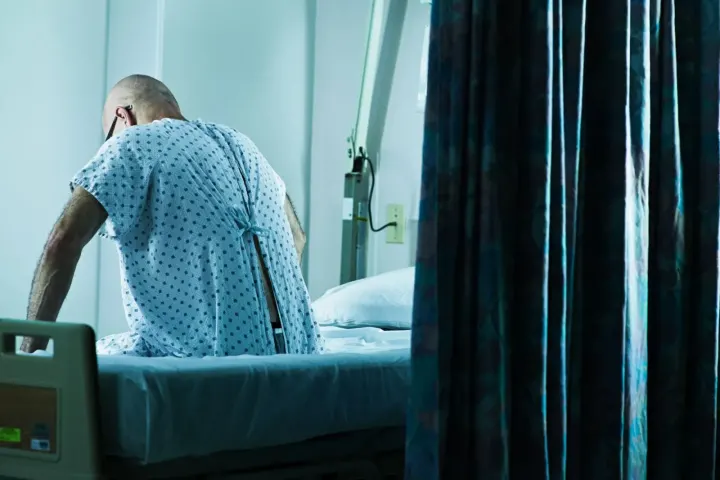
These emergency declarations arrive as health service leaders warn that the current season is tracking to become the worst winter ever recorded for the health sector. Corridor care remains at crisis levels, while record numbers of people continue to show up at emergency departments. Statistics show that six out of the ten busiest emergency department months in history have occurred in the year 2026 alone.
Health officials attribute the overwhelming demand to a combination of seasonal respiratory illnesses, including rising cases of influenza and Covid-19, alongside plunging temperatures. The influx of patients with winter bugs has severely squeezed bed capacity and increased waiting times across multiple regions. NHS England monthly performance data released earlier in the month revealed that more than 3,500 patients a day received care in hospital corridors or makeshift treatment areas in England in October, while a record 2.5 million people went to emergency departments last month.
Which Hospitals Are Affected by Critical Incidents?
Several NHS trusts have implemented emergency measures this week as A&E attendances surge. Sherwood Forest Hospitals NHS Foundation Trust, University Hospitals of Northamptonshire NHS Group, Nottingham University Hospitals NHS Trust, and University Hospitals of Derby and Burton NHS Foundation Trust have all activated critical incident status.
Nottingham University Hospitals NHS Trust declared a critical incident on Monday, pointing to a sharp increase in Covid and flu cases alongside sustained pressures and high admissions. Patients at Queen’s Medical Centre emergency department and Nottingham City Hospital faced long waits, with some patients waiting in ambulances for up to four hours. University Hospitals of Derby and Burton NHS Foundation Trust declared a critical incident on Tuesday, noting that Royal Derby Hospital faced emergency department waits averaging nine hours.
How Trusts Manage Critical Incidents
Declaring a critical incident allows hospital trusts to draw on additional support from across the wider health system and take extraordinary measures to maintain safe services. Hospital leadership teams work to prioritize the most seriously ill patients while discharging individuals who are well enough to leave. Hemant Nemade, University Hospitals of Northamptonshire medical director, explained the internal response to the strain.
“We have been extremely busy for the last week and unfortunately the pressure this has created means some patients are waiting longer than we would want for non-urgent treatment or a bed,” Mr Nemade said. He added that staff were prioritizing the most seriously ill patients and doing everything possible to provide safe and timely care.
Mr Nemade noted that hospital teams were helping patients who were well enough to leave hospital to get home or move into community care as safely and quickly as possible. He asked families to help patients by supporting them to leave hospital as soon as they are ready, as this frees up beds for incoming patients who need them. A spokesperson for Sherwood Forest Hospitals NHS Trust also issued guidance regarding scheduled appointments, stating that patients should continue to attend pre-planned outpatient appointments and procedures unless contacted directly to postpone.
What Patients Should Do When Seeking Care
Hospital trusts are urging the public to help ease pressures by only attending emergency departments for genuine emergencies. Officials emphasize that emergency departments remain open for serious or life-threatening conditions, but urge the public to use alternative services for minor ailments.
Patients with non-urgent medical needs are encouraged to use NHS 111 online or call 111 for guidance. Authorities also recommend visiting a local general practitioner, local pharmacy, or an urgent treatment centre instead of heading to A&E. Furthermore, anyone experiencing symptoms of flu or other respiratory illnesses is asked to avoid visiting loved ones in hospital until they have fully recovered, protecting vulnerable inpatients from further infection.