Consumer technology brand Nothing is preparing to introduce its first artificial intelligence hardware product in December 2026, according to an official confirmation from company chief executive officer Carl Pei. The announcement outlines a hardware strategy focused on ambient computing and dedicated physical tools rather than standard software downloads. As technology firms race to integrate machine learning into everyday objects, this upcoming release marks a significant expansion for the manufacturer known for its transparent phone designs and distinctive audio gear. Industry observers and consumers are currently tracking every update as the company prepares to reveal the true nature of this secretive project.
The timeline for this hardware project began taking shape when the company outlined ambitions in September 2025 to introduce its initial artificial intelligence products during 2026. Pei shared specific thoughts in an article published on X on November 4, detailing how the upcoming device will avoid traditional display panels entirely. By choosing to omit a screen, the company intends to deliver functionality that cannot simply be delivered through a smartphone application. While the executive did not disclose the official product name, exact technical specifications, or final pricing, the confirmation gives the market a clear window for when the hardware will finally ship to buyers.
What to Expect From Nothing's Screenless AI Hardware
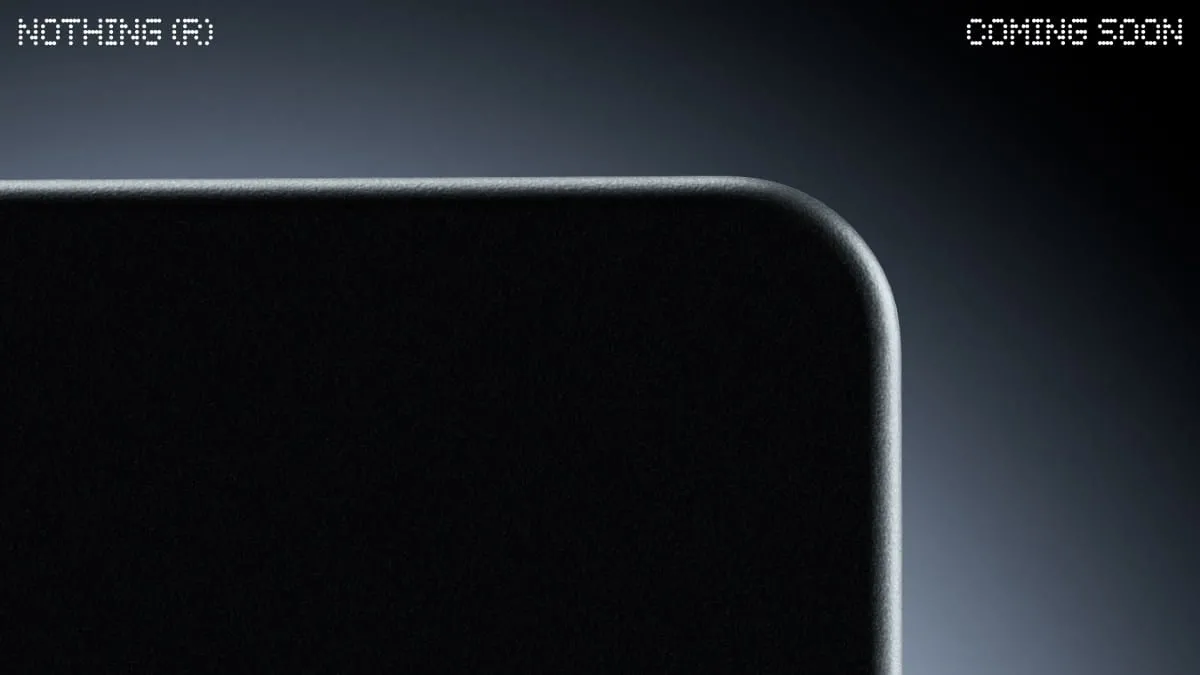
According to statements from Pei, the upcoming product is built as a dedicated artificial intelligence tool rather than another standard mobile application. He described the item as a physical product developed with the specific design approach and attention to detail associated with Nothing's existing smartphone and audio catalog. The manufacturer also shared a single teaser image showing a portion of a dark device featuring rounded corners and curved edges. However, this preliminary photograph does not reveal enough visual information for analysts to determine the exact size, physical dimensions, or intended use case of the gadget.
— Carl Pei (@getpeid) November 4, 2026
Pei emphasized that the product could not have been created as a simple phone app, suggesting that dedicated physical hardware is strictly necessary for its intended functionality. This design philosophy points toward a device meant to operate continuously in the background of a user's day. Without a screen to demand visual attention, the hardware appears engineered to interact with users through audio, sensors, or other ambient methods. This approach mirrors other experimental hardware gadgets emerging in the global technology sector that try to minimize screen fatigue.
Could the Mystery Device Be an AI Recording Tool?
Although the corporation has not officially revealed what the product actually does, Pei's published article provides significant hints regarding its possible purpose. He discussed how current machine learning systems often lack important context about users' daily activities, meetings, and verbal conversations. For example, people frequently have to write down important ideas or comments manually during business meetings because existing digital assistants cannot automatically access or record that unstructured information securely.
Pei suggested that future artificial intelligence products could help address this persistent problem by capturing useful information seamlessly without requiring users to interrupt what they are currently doing. This commentary has generated widespread speculation across technology forums that Nothing could be developing a specialized artificial intelligence recording or note-taking device. Even so, corporate representatives have not explicitly confirmed whether the upcoming product will record conversations or function strictly as an audio assistant.
Broader Hardware Plans and AI Wearables
Beyond this single screenless gadget, Nothing has previously been linked to the development of several other artificial intelligence-powered wearable devices. Recent industry reports suggest that the firm is actively exploring two distinct types of smart glasses, including one model equipped with integrated cameras and another built without them. It currently remains unclear whether either of those smart glass prototypes is directly connected to the upcoming December announcement or if they belong to a separate product roadmap.
Pei also discussed how artificial intelligence hardware could follow a historical development pattern very similar to personal computers and early smartphones. He believes that artificial intelligence technology will initially become useful primarily through productivity tools before expanding into broader consumer electronics designed for everyday buyers. According to Pei, Nothing is uniquely well-positioned to develop these kinds of integrated products because the organization designs both its physical hardware and underlying software internally under one roof.
What Comes Next Before the December Launch
Nothing has officially confirmed that its first artificial intelligence-native product will ship in December 2026, although the company has not yet announced an exact release date or calendar schedule. Comprehensive details concerning the final industrial design, advanced capabilities, global pricing structures, and regional retail availability also remain completely unknown at this time. For now, prospective buyers and technology enthusiasts must rely on the limited official teasers provided by leadership.
As the market awaits further announcements, the primary focus remains on how the company plans to bridge the gap between software intelligence and physical hardware. Observers will be watching for follow-up statements from leadership as the shipping window approaches later next year. Until then, the exact nature of Nothing's screenless artificial intelligence device remains one of the most anticipated mysteries in the consumer electronics space.