Olympic Champion Maria Shurochkina Hospitalized With Severe Burns
Maria Shurochkina, a 31-year-old Russian Olympic swimming champion, is fighting for her life in a Moscow hospital after sustaining horrific burns when her clothes caught fire. The incident occurred at her luxury four-bedroom penthouse situated on the 17th floor of a residential complex in western Moscow. Medical professionals are working intensively to save the synchronised swimming star, who faces severe medical risks including burn shock, dehydration, and infection following the accident.
The emergency unfolded when Shurochkina was refilling a bioethanol fireplace inside her home. Flammable vapours from the unit ignited unexpectedly, instantly setting her attire ablaze. Witnesses and emergency reports indicate that she managed to escape to the stairwell, where she was found screaming and writhing in pain before emergency services arrived to transport her to a specialized medical facility.
Medical Status And Severe Injuries Treated At Moscow Institute
Following the accident, an ambulance rushed Shurochkina to Moscow's Sklifosovsky Emergency Research Institute, a premier trauma center known for handling critical injuries. Initial assessments by medical staff described her condition as moderate, but her health quickly deteriorated to serious as the full extent of the trauma became clear. Doctors noted that she suffered acute damage to the skin on her head, neck, chest, abdomen, arms, and hands.
Medical teams are monitoring her closely for potential complications, including tissue necrosis, which involves the death of damaged skin and underlying tissue. Dr. Denis Prokofyev warned that recovery from severe burns of this magnitude, which often require extensive skin grafts, could take up to a full year. The Russian Aquatic Sports Federation officially confirmed her hospitalisation, stating that officials have maintained contact with both the medical staff and her family while offering public support.
Athletic Career And Olympic Success
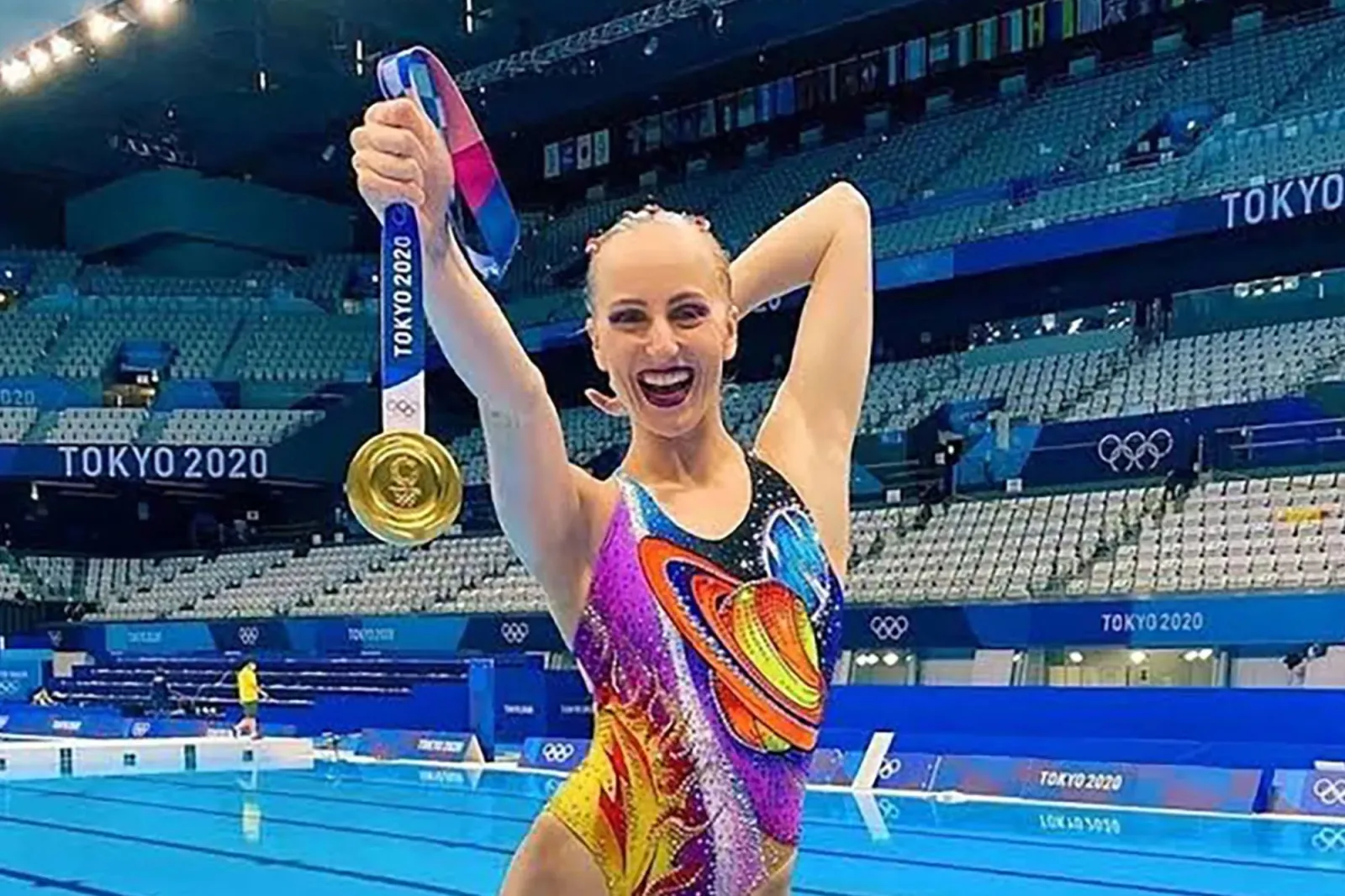
Shurochkina stands as one of the most decorated synchronised swimmers in Russia, having achieved the pinnacle of success in her athletic discipline. She secured her first Olympic gold medal representing her country at the Rio de Janeiro Games in 2016. She followed this monumental achievement by capturing a second Olympic gold medal at the Tokyo Games held in 2021. Alongside her Olympic triumphs, she earned 11 world championship titles during her competitive career.
Her contributions to sport brought her high-level state recognition within Russia. Vladimir Putin awarded her the Order of Friendship in 2016 following her success in Brazil, and subsequently presented her with the Order of Honour in 2021 after the Tokyo Games. The Russian Aquatic Sports Federation released a statement expressing solidarity, saying, "We wish Maria strength and a speedy recovery."
Transition To Entertainment And Performing Arts
Four years ago, Shurochkina retired from competitive swimming, marking the end of an era in professional aquatics. Reflecting on the transition away from competitive sport, she admitted, "I felt like a lost child who didn't know where to go or what to do next." She successfully pivoted into a career in entertainment, focusing on dance and elaborate aquatic theatre productions.
Earlier this year, she showcased her performance skills at Moscow's prestigious State Kremlin Palace in a spectacular production choreographed by dancer Ildar Gainutdinov. Her creative pursuits extended beyond solo performances into television and popular culture. Alongside her half-sister Nyusha, whose real name is Anna Shurochkina and who ranks as one of Russia's biggest pop stars, she competed in and won the second season of the Russian reality television show Treasures of the Emperor in 2025.
Understanding Bioethanol Fireplace Safety Risks
The accident involving Shurochkina highlights the hidden dangers associated with bioethanol fireplaces in modern residential properties. These decorative units burn denatured alcohol, a renewable energy source that produces a clean flame without requiring a traditional chimney or flue. However, the liquid fuel and its invisible, highly flammable vapors demand strict adherence to safety protocols during operation and maintenance.
Safety regulators and manufacturers consistently warn consumers never to add fuel to a bioethanol burner while the unit is operating or still hot. Residual heat can instantly ignite the fresh fuel or surrounding vapor cloud, causing a flashback into the fuel container. The incident at the Moscow penthouse underscores the rapid and destructive nature of these flare-ups, which can engulf clothing and living spaces within seconds.
Emergency Response And What Lies Ahead
The Sklifosovsky Emergency Research Institute remains the primary center managing Shurochkina's critical care. Burn units require specialized sterile environments, constant fluid management, and vigilant monitoring to prevent systemic infections that frequently threaten burn victims during the initial weeks of treatment. Surgical intervention, including debridement and skin grafting procedures, typically forms the core of long-term recovery plans for patients with acute second and third-degree injuries.
As family members, sports officials, and fans await further updates on her condition, medical specialists emphasize that the coming weeks remain critical. The combination of extensive skin damage and internal stress requires patience as doctors manage potential complications. The sporting and entertainment communities continue to monitor the situation while offering continuous support for her recovery journey.