Medical Excellence at Pak-China Friendship Hospital
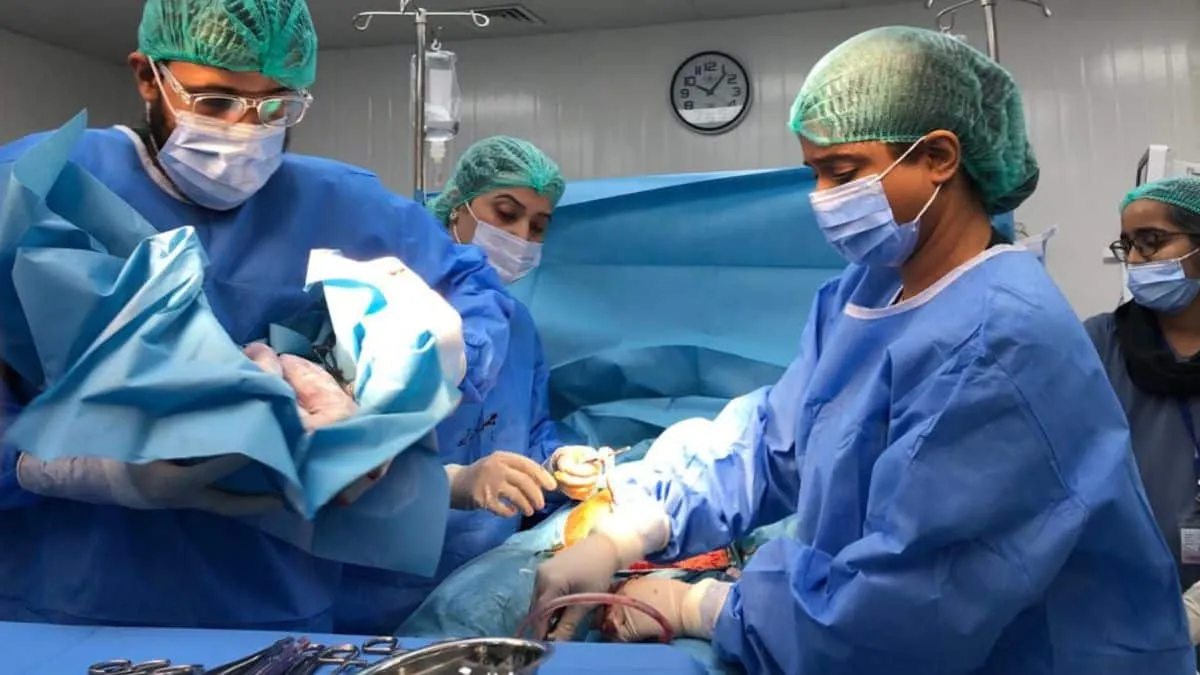
The medical landscape in Islamabad received a strong endorsement recently as the Obstetrics and Gynecology team at the Pak-China Friendship Hospital achieved a notable clinical milestone. Managed by the Indus Hospital and Health Network, the facility successfully carried out two back-to-back elective Cesarean section and Bilateral Tubal Ligation procedures. These operations highlight the medical capabilities available at the facility, which serves the local population with advanced surgical interventions.
Healthcare delivery in public institutions often faces scrutiny, but this event demonstrates high standards of patient care and surgical precision. The hospital operates with the support of the Government of Pakistan and the Ministry of National Health Services. By combining experienced medical personnel with modern equipment, the facility ensures that patients receive safe and effective treatments for complex conditions.
Patients visiting the hospital benefit from a structured environment where specialist doctors oversee every stage of treatment. Elective surgeries require careful planning and coordination among various departments, including nursing, anesthesia, and laboratory services. The successful execution of these back-to-back procedures reflects the preparedness of the entire hospital staff.
Leadership and Surgical Expertise
The surgical procedures were led by Dr. Sarah Ejaz Abbasi, who serves as the Head of Department and Consultant in Obstetrics and Gynecology. She holds an MBBS, an FCPS in OB/GYN, and a CHPE qualification, bringing substantial academic and practical experience to her clinical duties. Her leadership ensures that complex cases receive meticulous attention from diagnosis through post-operative recovery.
Working alongside Dr. Abbasi was Dr. Humaira Noreen, a specialist holding a DGO qualification. The collaboration between senior consultants and specialized physicians forms the backbone of the clinical success at the facility. Medical teams train rigorously to handle emergency complications as well as scheduled complex operations, ensuring patient safety remains the top priority during every procedure.
Specialist care requires continuous monitoring and adherence to strict clinical protocols. The team at Pak-China Friendship Hospital maintains high standards of professional practice, mirroring the requirements of major tertiary care centers. This expertise allows the hospital to manage high-risk pregnancies and complicated gynecological conditions locally without needing to transfer patients elsewhere.
Managing Clinical Complexity in Patient Care
While both scheduled procedures went smoothly, one of the cases presented significant clinical complexity that tested the medical team's expertise. The patient was classified as a grand multipara, meaning she had given birth multiple times previously, which increases certain risks during delivery. Furthermore, she was diagnosed with gestational diabetes, a condition requiring careful blood sugar management throughout the perinatal period.
Adding to the complexity, clinicians identified a large 8 by 10 centimeter lateral wall fibroid during the evaluation. Fibroids of this size during pregnancy can obstruct the lower uterine segment, complicate the delivery process, and increase the risk of postpartum hemorrhage. The medical team planned the surgical approach meticulously to address both the delivery of the infant and the management of the uterine fibroid safely.
During the operation, the surgical team administered one unit of Red Cell Concentrate to maintain the patient's hemoglobin levels and ensure hemodynamic stability. Despite the challenges posed by the gestational diabetes and the large fibroid, the procedure concluded successfully. The medical staff delivered a healthy 3.8 kilogram baby boy, and both mother and newborn remain in stable condition while recovering well under medical observation.
Free Healthcare Access for Islamabad Citizens
A vital aspect of the services provided at the Pak-China Friendship Hospital is the complete absence of financial charges for patients. Citizens across Islamabad have expressed widespread appreciation for the hospital management, the Government of Pakistan, and the Ministry of National Health Services. Providing access to highly qualified doctors, expert technical teams, and complex surgical care completely free of cost removes a major burden from low-income families.
Access to maternal health services remains a cornerstone of public health policy. When tertiary-level care is offered without out-of-pocket expenses, vulnerable populations gain timely access to life-saving interventions that they might otherwise delay or forgo due to financial constraints. This model of healthcare delivery demonstrates how public-private partnerships can effectively expand medical access across urban and regional centers.
The community response highlights the importance of sustained funding and administrative support for public health institutions. As the hospital continues to handle complex surgical cases, it serves as a model for accessible healthcare delivery. Patients and families benefit directly from the combination of charitable management, government backing, and dedicated medical professionals working together in Islamabad.