Pakistan Batter Saim Ayub Faces Fitness Test Ahead of Domestic Return
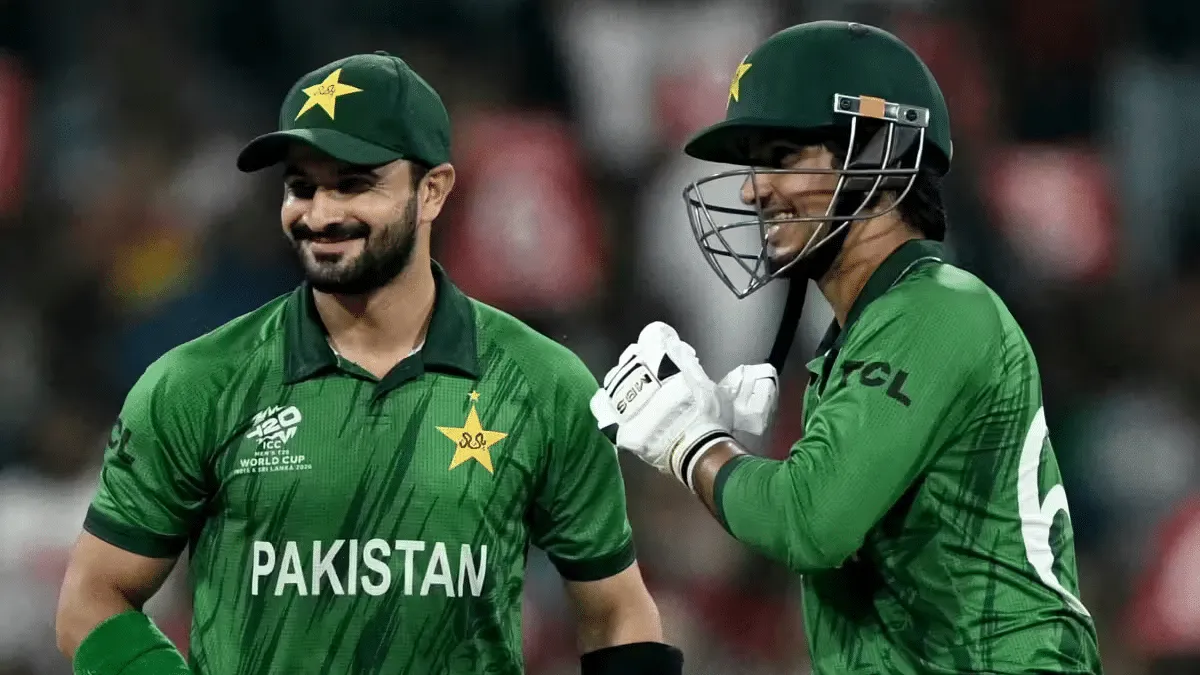
Pakistan opener Saim Ayub is scheduled to undergo a fitness assessment as he prepares to represent Karachi Blues in the ongoing Quaid-e-Azam Trophy 2026-27. The left-handed batter has also been working on improving his batting technique ahead of his return to domestic cricket.
The assessment marks a crucial turning point for the young player as he transitions back to the domestic circuit. Sporting authorities and team staff will evaluate his physical readiness to ensure he can endure the rigorous demands of multi-day first-class matches. Domestic red-ball fixtures require intense stamina, concentration, and physical resilience compared to limited-overs internationals.
Why Saim Ayub Was Released from the Pakistan ODI Squad
Ayub was released from Pakistan's ODI squad on October 26 during the home tri-series against England and Sri Lanka following a series of disappointing performances. The 24-year-old struggled with the bat during the tournament, scoring just seven, eight, and six runs in his three appearances. He had also managed only 60 runs in his previous five ODI innings, averaging 12.
International cricket places immense pressure on opening batters to provide solid foundations for the batting lineup. Prolonged slumps often prompt selectors to take corrective measures to protect both the player and the team's competitive standing. High-level sport demands consistent output, and a string of low scores naturally leads to scrutiny from fans and analysts alike.
The Role of the Pakistan Cricket Board and Head Coach Mike Hesson
The Pakistan Cricket Board confirmed that Ayub had requested to return to domestic cricket after discussions with head coach Mike Hesson to work on his batting form and regain confidence. Open communication between players and coaching staff remains a cornerstone of modern cricket management, allowing struggling athletes to step away from the global spotlight.
Head coach Mike Hesson and the national selection committee evaluated the merits of the request before reaching a decision. The team management and national selection committee accepted his request, with Sahibzada Farhan named as his replacement for the remainder of the ODI tri-series. This transition ensures that the national squad maintains tactical depth while allowing Ayub the space to recalibrate his game.
Joining Karachi Blues in the Quaid-e-Azam Trophy 2026-27
Ayub has been included in the Karachi Blues squad for the Quaid-e-Azam Trophy 2026-27, where he will play under the captaincy of Saud Shakeel. Karachi Blues are the defending champions of the tournament and are competing in the eight-team Gold tier, which began on November 3.
The Quaid-e-Azam Trophy stands as the premier first-class cricket competition in Pakistan, tracing its history back to the domestic structure established decades ago. Participating in this tournament offers top-tier competitors a chance to face quality bowling attacks on traditional pitches. Playing alongside seasoned leaders like Saud Shakeel provides younger squad members with mentorship and tactical guidance.
Understanding the Quaid-e-Azam Trophy and Domestic Structure
The Quaid-e-Azam Trophy is named after Pakistan's founder, Muhammad Ali Jinnah, and serves as the primary breeding ground for Test cricketers in the country. Teams represent various regions and departments, competing across multiple rounds of multi-day matches. The structure emphasizes patience, technical soundness, and the ability to bat for long periods, making it an ideal platform for players looking to iron out flaws in their technique.
The Gold tier features elite sides vying for domestic supremacy through rigorous round-robin fixtures. Defending champions Karachi Blues carry high expectations into the current campaign, meaning every team member must perform at their peak. For Ayub, integrating into this championship-winning environment requires adapting quickly to red-ball strategies and team dynamics.
Technical Adjustments and Future Outlook for the Opening Batter
Beyond the upcoming fitness test, the left-hander has spent significant time in practice sessions addressing technical aspects of his stance and strokeplay. Opening against the new ball requires precise footwork and defensive technique, areas that can erode during a prolonged focus on aggressive limited-overs cricket. Coaching staff and analysts regularly review footage with players to correct technical flaws before high-stakes matches.
The broader Pakistani cricket community will watch his domestic performances closely to gauge his readiness for a future national recall. Success in the Quaid-e-Azam Trophy often serves as the fastest route back to international selection, proving that a player has regained both form and mental fortitude. Observers and fans anticipate seeing whether these corrective measures translate into substantial runs on the board.