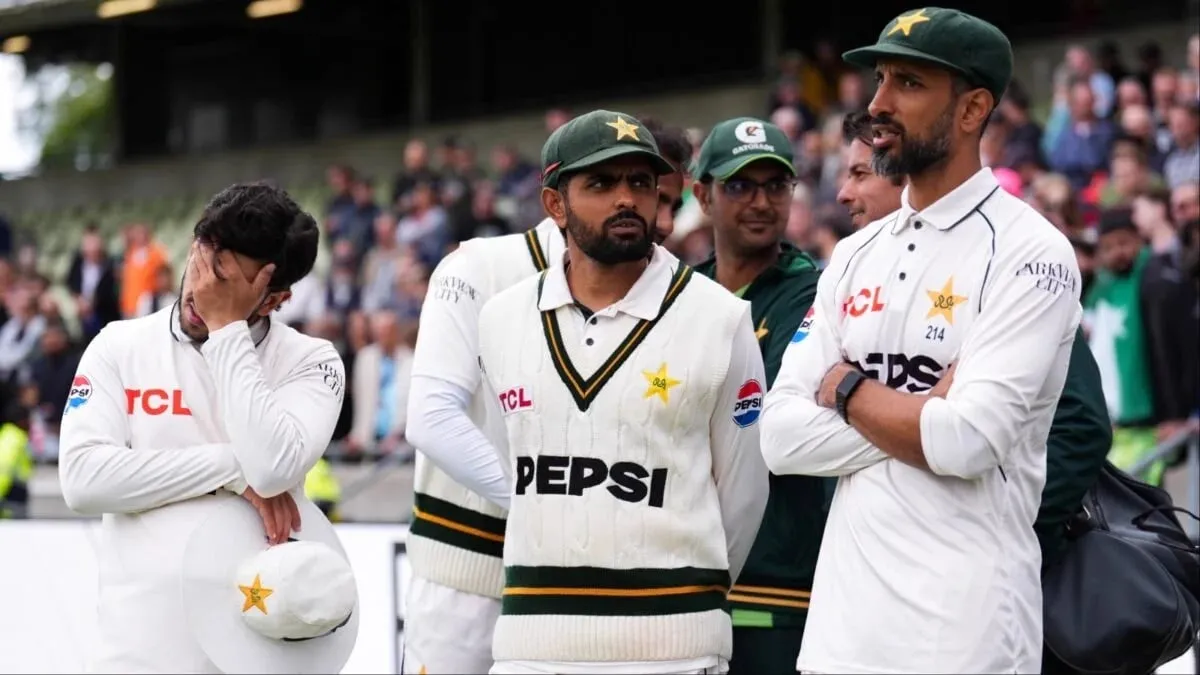
Pakistan Test Team Faces Major Shake-Up Ahead Of Sri Lanka Series
Pakistan head coach Mike Hesson has decided to introduce major changes to the Test team, including a new opening combination and pace-friendly home pitches, following the side's disappointing performances in 2026. The upcoming series against Sri Lanka marks a critical turning point for the national side as management attempts to rebuild the squad from the ground up after a turbulent year of international cricket. Pakistan will host Sri Lanka for a two-match Test series, with the first match scheduled to begin in Rawalpindi on November 9 and the second in Lahore on November 17. This upcoming assignment represents Pakistan's first home Test matches of the calendar year, even though the team has already contested seven matches across three separate overseas tours.
International cricket in Pakistan requires meticulous logistical planning and coordination by the Pakistan Cricket Board. Hosting visiting nations involves stringent security protocols, hotel coordination, and the maintenance of historic venues like the Rawalpindi Cricket Stadium and the Gaddafi Stadium in Lahore. The return of red-ball cricket to home soil brings significant public interest and media scrutiny, especially given the recent run of results. Fans and analysts across the country eagerly await the selection announcement to see how the coaching staff implements the promised strategic shift.
Recent Test Cricket Struggles And Poor Rankings
Pakistan has struggled in Test cricket this year, losing six of its seven matches. The team suffered a 2-0 whitewash against Bangladesh and a 3-0 defeat against England, while its series against the West Indies ended in a 1-1 draw. Its only victory came against the West Indies. Following these disappointing results, the team management has decided to change its approach to home Test cricket. The cumulative effect of these losses plunged the nation down the international ladder, creating immense pressure on the players, coaches, and board administrators alike.
Pakistan currently occupies ninth place among ten teams in the ICC Test rankings, with only Zimbabwe below it. It also sits at the bottom of the World Test Championship standings. With the team looking to recover from its poor performances, the PCB's think tank has already started implementing measures for the next World Test Championship cycle. Officials are hopeful that introducing younger players and adopting a more aggressive approach to Test cricket will help Pakistan improve its results. The upcoming Sri Lanka series will be Pakistan's next assignment following its triumph in the tri-nation ODI series.
Tactical Shift To Pace-Friendly Home Pitches
According to reports, Hesson has instructed ground staff to prepare pace-friendly surfaces for both matches against Sri Lanka. The move is aimed at helping Pakistan improve its performances on lively pitches, particularly during overseas tours. Ground staff are now working to prepare surfaces that offer greater assistance to fast bowlers. Historically, red-ball pitches in Pakistan tended to favor spin bowlers and produced high-scoring draws, but modern requirements demand adaptability to bouncy and seaming conditions found in countries like Australia, England, and South Africa.
Preparing sporting tracks that assist fast bowling requires curators to leave a healthy layer of grass and roll the soil differently than usual. This technical adjustment aims to expose local batters to genuine pace and bounce at home, ensuring they are better prepared for foreign conditions. At the same time, it empowers the pace attack to exploit home conditions effectively. The curators at Rawalpindi and Lahore have a narrow window to condition the square properly before the visiting squad arrives for practice sessions.
Major Overhaul Of The Playing XI And Sparing Senior Players
The team management is also planning significant changes to the playing XI. Five players who featured in the final Test against England, including Saim Ayub, Abdullah Shafique, Shan Masood, Mohammad Imran and Mohammad Ali, are no longer part of the team's plans. Masood scored 95 runs in the first innings of the Birmingham Test, but Hesson reportedly believes it is time to give a younger player an opportunity in place of the 37-year-old batter. This ruthless approach signals a clean break from past selection patterns as the coaching staff looks toward long-term development.
Pakistan is also expected to introduce a new opening combination, with Azan Awais and Abdullah Fazal emerging as the leading contenders. Meanwhile, Mohammad Abbas and Razaullah are expected to join the national squad following the three-day match against Sri Lanka. Both fast bowlers are currently part of the PCB Patron's XI and are considered strong candidates for selection. In another development, Hesson has advised Babar Azam to participate in domestic four-day cricket to regain his batting form. The former Pakistan captain is currently playing in the Quaid-e-Azam Trophy following the coach's advice.
Domestic Cricket Compulsion And Rebuilding For The Future
The Pakistan Cricket Board (PCB) has also made participation in domestic competitions compulsory, requiring leading players to represent their respective departments and regions despite reported reluctance from some players. Domestic tournaments like the Quaid-e-Azam Trophy form the bedrock of the national talent pipeline, providing rigorous multi-day competition that tests technical patience and physical endurance. Enforcing strict participation rules ensures that established internationals maintain match fitness and sharpen their skills away from the international spotlight.
The transition phase comes with inherent risks, as blooding new talent at the highest level often leads to unpredictable results. However, the sheer volume of defeats in the previous cycle left administrators with few alternatives. By integrating promising performers from domestic circuits and restructuring home pitch preparation, the cricket board intends to establish a sustainable foundation. The series against Sri Lanka will serve as the first major indicator of whether this comprehensive overhaul can yield immediate competitiveness on the global stage.