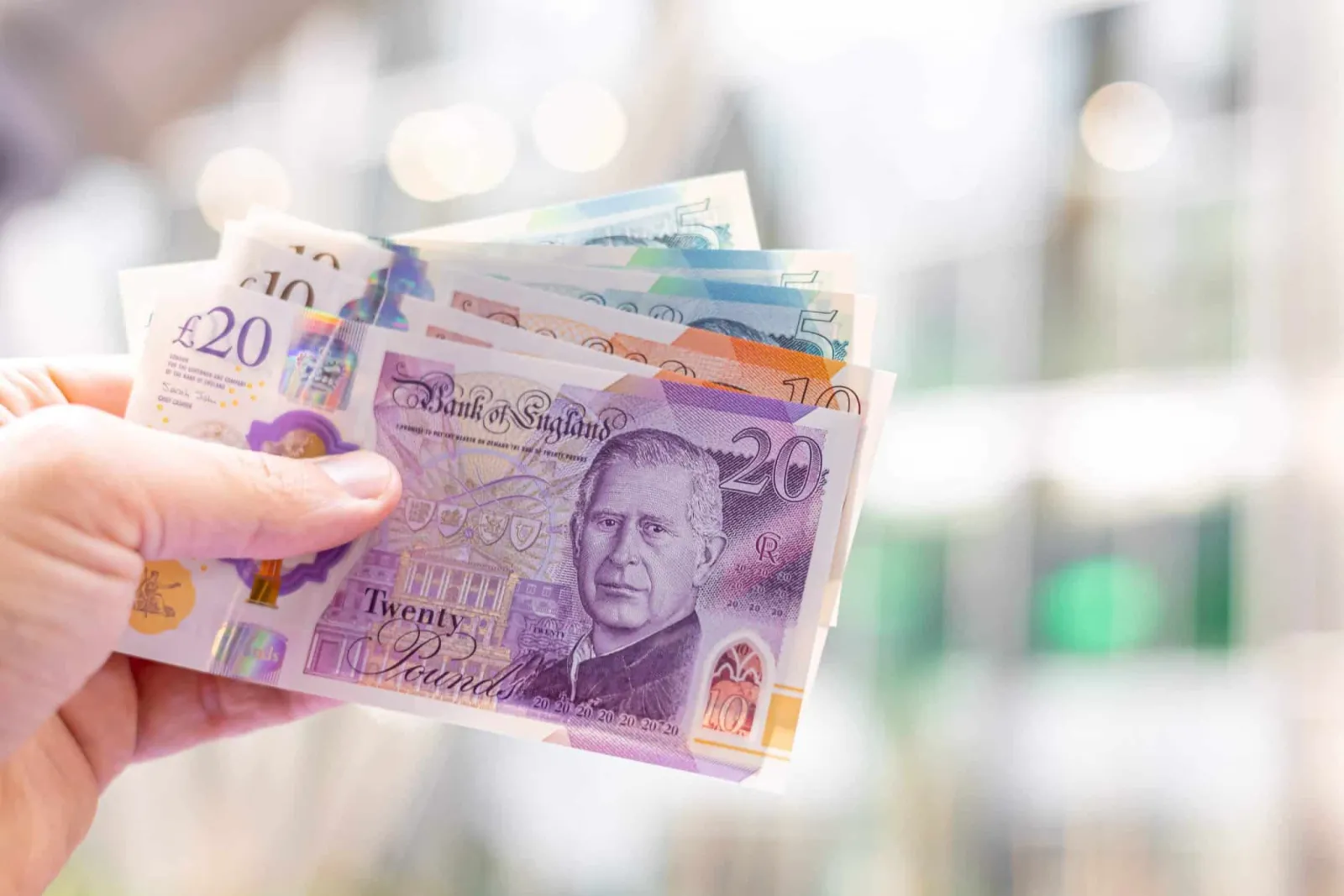
Pakistani Rupee Records Continued Gains Against US Dollar
The Pakistani rupee closed in green against the US Dollar for the 276th consecutive day on Wednesday, maintaining a steady pattern that has persisted for months. Market data shows the local currency finished the session at 276.70 after gaining one paisa against the US dollar. This extended run of stability and incremental gains against the greenback began on December 25, 2025, providing a notable anchor for the domestic foreign exchange market.
Financial analysts note that the persistent performance against the US dollar contrasts sharply with movements observed across other major international currencies during the same mid-week trading session. While the official closing rate for the US dollar settled at 276.7040 according to broader tracking metrics, the simultaneous decline against European and Commonwealth currencies drew significant attention from traders and economists alike.
How the Rupee Performed Against the British Pound and Euro
While the domestic currency held firm against the United States legal tender, it experienced sharp declines when measured against European benchmarks on Wednesday. The rupee lost Rs. 1.77 against the British Pound, pushing the exchange rate higher as the pound strengthened in international trading. Similarly, the local currency lost Rs. 1.34 against the Euro, reflecting broader shifts in international currency valuations.
These losses highlight the distinct pressures facing import and export sectors that deal in currencies outside the US dollar bloc. The British pound and the euro hold substantial weight in international trade settlements for the region, meaning that sharp upward movements in these foreign currencies directly influence the cost of inbound goods from European markets.
Fluctuations Across Australian and Canadian Dollars
Beyond the European currencies, the Pakistani rupee also lost ground against several Commonwealth trading partners during the mid-week session. The local currency lost 64 paisas against the Australian Dollar, reflecting shifting commodity and regional trading dynamics. Additionally, the rupee dropped 13 paisas against the Canadian Dollar, closing at 198.2831 compared to previous sessions.
These adjustments, though smaller in magnitude than the drops recorded against the British pound and the euro, contribute to a complex picture for foreign exchange participants. Exporters and importers managing multi-currency portfolios must navigate these daily fluctuations, which are tied to global macroeconomic trends influencing each respective foreign central bank.
Stability Maintained Against Regional Currencies
In contrast to the volatility observed with European and Commonwealth currencies, the Pakistani rupee remained stable against key regional currencies in the Middle East. The local currency held steady against both the UAE Dirham and the Saudi Riyal on Wednesday. Specifically, the rupee recorded minor movements of 0.0026 against the UAE dirham and 0.0046 against the Saudi riyal, indicating virtually unchanged rates for expatriate remittances and regional trade.
The stability against Gulf currencies is particularly vital for the domestic economy due to the heavy volume of worker remittances originating from the United Arab Emirates and Saudi Arabia. Families relying on these financial transfers experience predictable conversion rates when these major regional currencies maintain their parity against the rupee.
Detailed Currency Exchange Movements
A broader examination of the exchange rate data from late October through early November illustrates the divergence between the US dollar track and other global currencies. Between October 30, 2026, and November 4, 2026, the US dollar rate moved from 276.7522 down to 276.7040, marking a minor positive change of 0.0097 for the local currency. Over that same timeline, the Euro moved from 309.7965 to 311.1260, resulting in a loss of 1.3450 for the rupee.
The British pound showed an even wider margin, shifting from 371.1939 on October 30 to 373.0109 by November 4, creating a negative change of 1.7718 for the domestic currency. Meanwhile, the Malaysian Ringgit saw a minor negative change of 0.1395, and the Chinese Yuan recorded a slight positive change of 0.0117, moving from 41.5822 down to 41.4513 across the tracked dates.
Understanding Foreign Exchange Dynamics in the Market
The mechanics behind the Pakistani rupee maintaining a 276-day winning streak against the US dollar while dropping against European peers involve a combination of domestic monetary policy and international currency fluctuations. The US dollar index fluctuates globally based on Federal Reserve policy, US inflation data, and international trade flows. When the dollar softens or stabilizes globally, currencies tied closely to managed exchange frameworks often reflect steady positioning.
Conversely, cross-currency rates between the rupee and the British pound or euro depend heavily on how those European currencies perform against the US dollar on international exchanges. When the pound or euro appreciates globally against the dollar, emerging market currencies like the Pakistani rupee naturally depreciate against those European units, even if they remain steady against the greenback.