Pakistan Cuts Blue Passport Numbers to Meet International Requirements
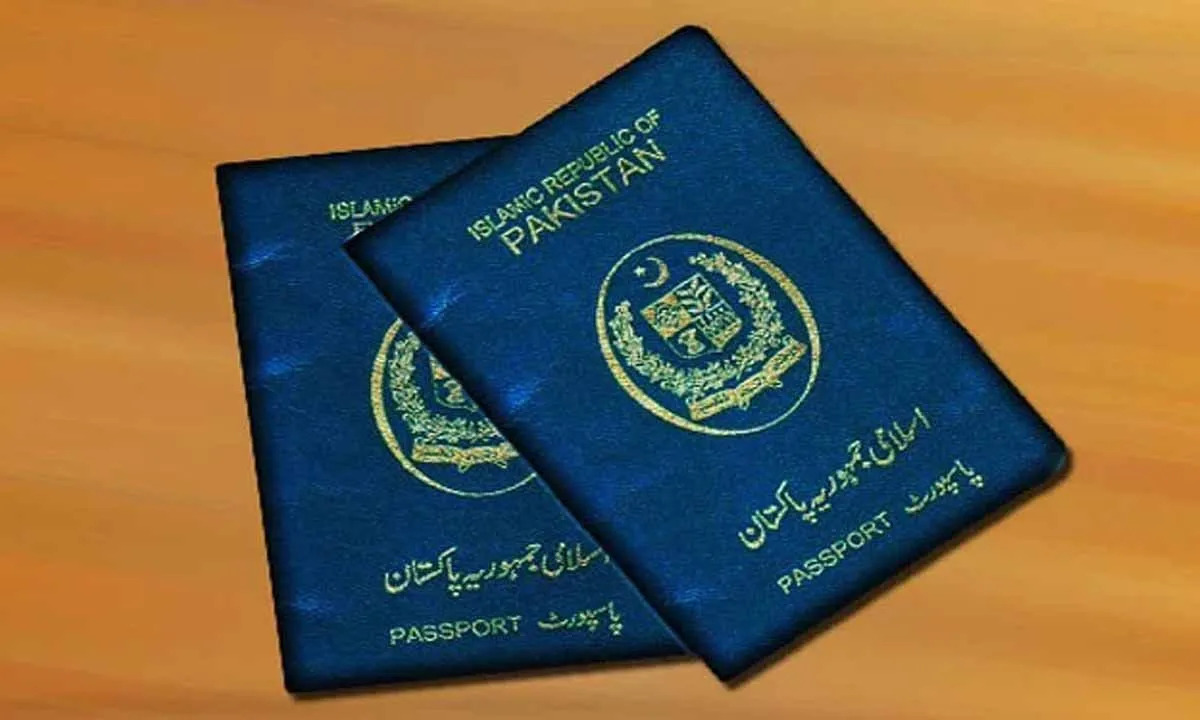
The number of official blue passports in Pakistan has been reduced from 74,000 to 49,000 to meet international obligations and administrative requirements. Director General of Immigration and Passports Muhammad Ali Randhawa announced this reduction on Wednesday during an official briefing.
The decision marks a direct administrative shift in how official travel documents are managed and distributed within the country. By lowering the total count of these documents, authorities seek alignment with global standards governing diplomatic and official travel credentials.
Meeting With Senate Leadership on Passport Reforms
Director General Muhammad Ali Randhawa shared these specific figures with Senate Deputy Chairman Syedaal Khan Nasar during a formal meeting. The high-level discussion centered on evaluating the current passport issuance mechanism, institutional performance, security features, and public facilities.
During the session, both officials reviewed the operational capacity of the Directorate General of Immigration and Passports. They examined how administrative bottlenecks affect the delivery of travel documents to citizens and officials alike.
Proposals for NADRA Passport Issuance Facilities
A key proposal discussed during the meeting involved introducing passport issuance facilities through the National Database and Registration Authority, known as NADRA, in the near future. Integrating NADRA into the distribution network is expected to streamline operations.
This measure is designed specifically for strengthening passport security and improving the country's passport ranking on global indices. Expanding access points through an established database network helps prevent unauthorized issuance and tightens verification protocols.
Senate Leadership Praises Institutional Reforms
Senate Deputy Chairman Syedaal Khan Nasar expressed appreciation for the government's ongoing initiatives to improve the passport issuance system. He commended efforts to promote modern technology and enhance public facilitation across all service centers.
Nasar described the performance of the Directorate General of Immigration and Passports and its institutional reforms as commendable. He stressed the continuous need to modernize the system further in line with contemporary requirements.
Expanding Digital Systems and Automation
Nasar emphasized that digital systems and automation should be expanded at every stage of passport issuance. This expansion must cover the entire workflow, from initial application submission to the final delivery of the document.
Implementing end-to-end automation aims to make the entire process faster, more transparent, and more accessible for applicants. Reducing human intervention at vulnerable points minimizes corruption risks and speeds up processing times.
Addressing Administrative Delays and Public Complaints
Citizens should not face unnecessary delays, long waiting periods, or administrative complications when applying for travel documents, according to Nasar. He stated that an effective mechanism must be in place to resolve complaints promptly.
The effective use of modern technology and improved administrative strategies could further strengthen public confidence in the institution, Nasar added. Transparent grievance redressal systems remain central to restoring trust in public service delivery.